
Pruning
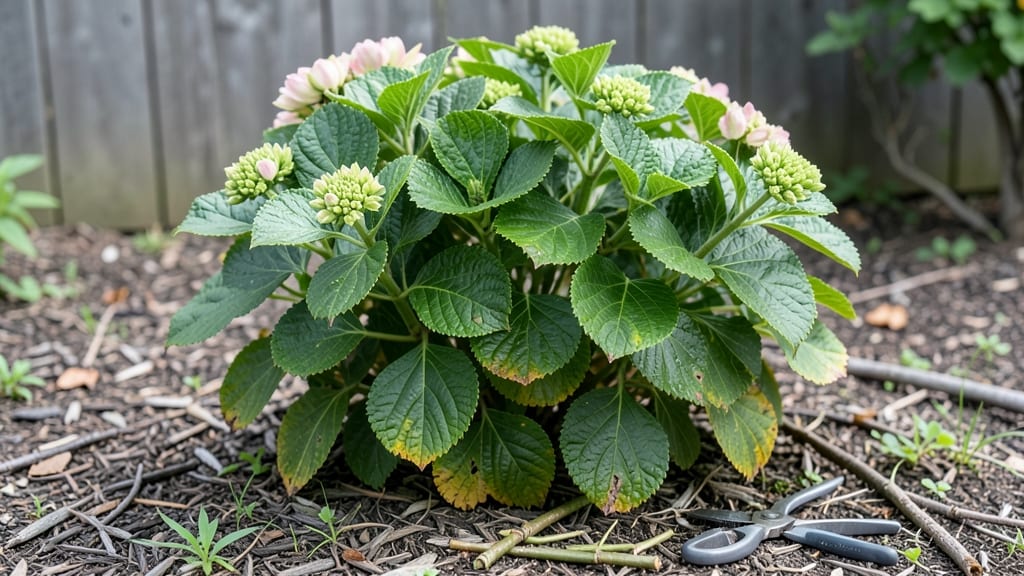
Pruning hydrangea plants at the best time means the difference between showstopping blooms and a sparse, sad shrub 🌸.
Struggling to get your hydrangeas to bloom bigger and more vibrant? The when of pruning could be your secret weapon—timing it wrong can mean sparse flowers or even no blooms at all.
Most gardeners wait until spring, but the real magic happens in late winter when the plant is still dormant. This is when you can shape the shrub without sacrificing next year’s flowers.
Below, I’ll walk you through the exact timing for different hydrangea types, how to spot the perfect moment, and what to avoid if you want healthier growth and more dramatic blooms.
Why late winter dormancy is the best time to prune hydrangeas
If you’ve ever wondered why your hydrangeas bloom less than expected, the answer might lie in your pruning timing. Late winter dormancy—typically between December and February—is the golden window for pruning these shrubs.
This period aligns perfectly with their natural growth cycle, ensuring healthier stems and bigger blooms next season. But why does this work so well?
The key lies in bud formation. During dormancy, hydrangeas are in a resting phase, and their flower buds are already forming. Pruning at this time removes dead or weak wood while leaving the new growth untouched.
This encourages the plant to focus energy on producing stronger stems and more vibrant flowers in spring. Skipping this step can lead to overcrowded branches or even no blooms at all.
Not all hydrangeas are pruned the same way, though. Different varieties—like mophead, panicle, oakleaf, and smooth hydrangeas—have unique blooming habits and pruning needs. Understanding these differences is crucial to avoid accidentally removing next year’s flowers.
For example, mophead hydrangeas bloom on old wood, while panicle hydrangeas bloom on new wood. This distinction changes everything about when and how you prune.
Here’s a quick guide to help you determine if your hydrangea is ready for late winter pruning. Look for these visual cues: dormant buds that appear as small, swollen areas along the stems, and no green leaves or new growth.
These signs confirm your plant is in dormancy and ready for a clean-up cut. If you see green shoots or swollen buds breaking open, it’s too late—pruning now could remove next year’s blooms.
Pruning during dormancy also minimizes stress on the plant. When you cut back in late winter, the plant isn’t actively growing, so it won’t waste energy trying to heal wounds.
This reduces the risk of disease or pest infestations, which can occur if you prune during active growth in spring or summer. Additionally, late winter pruning makes it easier to shape your hydrangeas and improve air circulation, both of which contribute to healthier plants and more abundant blooms.
Let’s dive into the specifics. Not all hydrangeas benefit from the same pruning approach, and some varieties actually thrive on different timing. For instance, panicle hydrangeas can handle a harder prune in late winter because they bloom on new growth.
On the other hand, mophead hydrangeas require a gentler touch—pruning too aggressively can mean fewer flowers next year. Understanding these nuances ensures you’re pruning for success, not failure.
Another advantage of late winter pruning is better visibility. Without leaves, you can easily see the structure of your hydrangea and identify dead or crossing branches. This makes it simpler to thin out overgrowth and promote a fuller shape.
Plus, pruning before new growth begins means you won’t accidentally cut off emerging buds or tender shoots. It’s like giving your hydrangea a fresh start before the growing season even begins.
But what if you missed the late winter window? Don’t panic. While late winter is ideal, you can still prune in early spring—just be extra cautious. Wait until you see new growth starting but haven’t yet broken dormancy.
This usually falls around March or early April, depending on your climate zone. However, pruning later in the season can reduce the number of blooms, so timing is still critical.
To make sure you’re pruning at the right time, keep an eye on your local frost dates. In most USDA zones 5-9, late winter (after the last frost) is the safest time.
If you’re in a warmer climate, like zone 10, you might prune slightly later, around February or early March. The goal is to prune just before the plant wakes up from dormancy but after the coldest part of winter has passed.
Here’s a pro tip: If you’re unsure whether your hydrangea blooms on old or new wood, observe its flowering pattern. Did it bloom last year on last year’s growth (old wood) or this year’s new shoots?
This simple observation will tell you exactly how aggressive you can be with your pruning. For example, if your mophead hydrangea bloomed beautifully last summer, it’s likely an old wood bloomer—so prune lightly to preserve those buds.
Finally, remember that sharp, clean cuts are essential. Use bypass pruners or loppers to avoid crushing stems. Cut just above a bud or node, at a 45-degree angle, to encourage healthy regrowth.
Avoid leaving stubs, as they can trap moisture and lead to rot or disease. With the right timing and technique, your hydrangeas will reward you with lush, vibrant blooms all season long.
Ready to prune? Grab your tools and head outside—your hydrangeas are waiting for their late winter makeover! 🌸