Fertilization
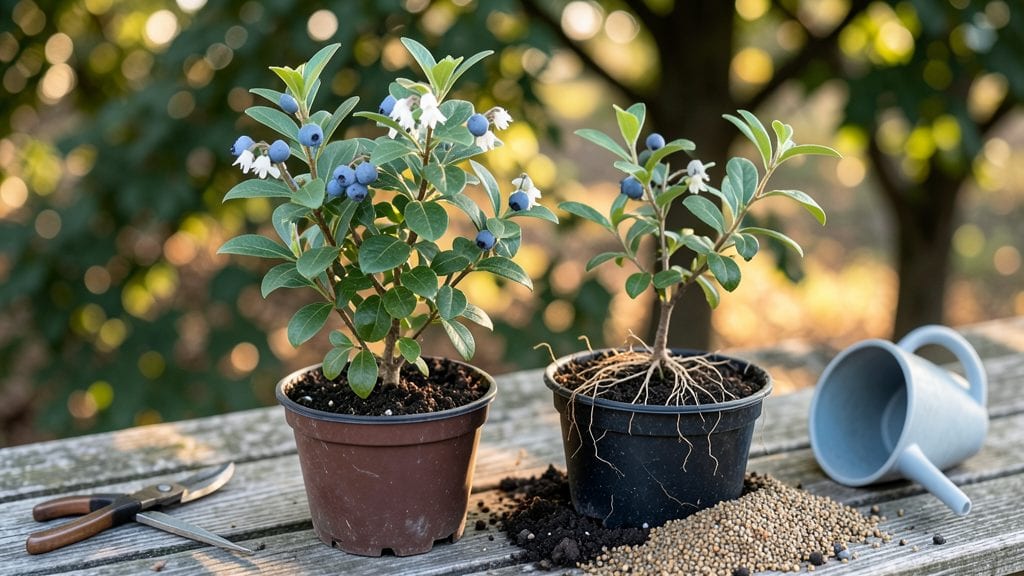
Mastering the blueberry planting conditions 🫐 is the difference between a bush that thrives and one that barely survives — and it all starts with soil that’s acidic enough to make your neighbor’s tomatoes jealous.
Struggling to grow thriving blueberry bushes? The secret isn’t just water or patience—it’s mastering the exact planting conditions they demand. Get these right, and you’ll harvest plump berries year after year.
Blueberries are picky about their home: they need acidic soil (pH 4.5–5.5), full sun (6+ hours daily), and enough space to breathe. Skip these, and you’ll end up with stunted growth or bitter fruit — trust me, I’ve tried both.
Below, I break down the must-know conditions for planting success, from soil prep to spacing, so your bushes grow strong and your harvests are legendary.

Optimal soil pH and nutrient requirements for blueberry growth
Blueberries are famously picky about their soil—acidic conditions aren’t optional, they’re essential. If your soil pH strays above 5.5, your bushes will struggle to absorb nutrients, leading to stunted growth and poor fruit production.
Think of it like a lock-and-key system: blueberries only thrive when the soil chemistry aligns perfectly with their needs.
Most gardeners overlook micronutrients like zinc, manganese, and iron, but these are just as critical as nitrogen or phosphorus. A deficiency in iron shows up as yellow leaves with green veins—a classic sign your soil isn’t acidic enough.
The good news? Testing and adjusting pH is straightforward once you know the steps.
Before you dig, grab a soil test kit (digital or lab-based) to measure your current pH. Aim for the 4.5–5.5 range—this is non-negotiable for blueberries. If your soil tests higher, don’t panic: sulfur-based amendments or peat moss can lower pH over time.
For example, mixing in elemental sulfur at 1–2 pounds per 100 square feet will gradually acidify the soil.
Now, let’s talk nutrients. Blueberries need a balanced but acidic fertilizer, like a 12-4-8 NPK ratio with added micronutrients. Organic options like cottonseed meal or fish emulsion work wonders. Apply fertilizer in early spring and again after harvest to fuel new growth and fruit development.
Over-fertilizing is a common mistake—too much nitrogen leads to leafy growth at the expense of berries.
Organic matter is your secret weapon. Work in composted pine needles, sphagnum peat moss, or leaf mold to maintain acidity and improve soil structure. These amendments also help retain moisture, which is crucial during fruit set when bushes need consistent hydration.
Mulch with pine bark to keep the soil acidic and suppress weeds—just avoid cedar mulch, as it can be too acidic and harm roots.
Here’s a quick cheat sheet for your blueberry planting conditions—bookmark this for reference!
If your soil tests below 4.5, don’t rush to raise the pH—blueberries actually prefer the lower end of the range. Instead, focus on amending with lime-free compost and monitoring over time.
Over-correcting pH can stress your plants, so patience is key. For example, if your soil is at 4.0, adding compost will gradually bring it up naturally.
One of my biggest mistakes early on was using regular garden soil from the big-box store. It’s often too alkaline and lacks the organic matter blueberries crave. Now, I always mix in 50% native soil with 50% acidic amendments like peat moss or composted pine bark.
This blend gives my bushes the perfect head start.
Pro tip: Test your soil every 2–3 years, especially if you’ve amended it recently. Soil chemistry changes over time due to weather, rainfall, and organic breakdown.
For instance, heavy rains can leach nutrients, while hot summers may increase pH. Stay proactive, and your blueberries will reward you with bountiful harvests for decades.
Remember, the goal isn’t just to grow blueberries—it’s to grow healthy, productive bushes** that yield sweet, plump berries every season. Start with the right soil, and you’ll set the foundation for success. Happy planting! 🫐
Sunlight exposure and microclimate needs for maximum yield
Blueberries thrive when planted in the right sunlight exposure, but many gardeners accidentally stifle their growth by placing them in the wrong spot. These berries demand 6 to 8 hours of full sun daily—any less, and you’ll sacrifice fruit production.
However, too much scorching afternoon sun in hot climates can stress the plants, so microclimate matters just as much as sunlight hours.
Coastal regions often provide gentler sunlight due to moderate temperatures and humidity buffers, while inland areas may need afternoon shade protection. Understanding these nuances is key to avoiding heat stress or frost damage during critical growing seasons.
For northern highbush varieties, aim for full sun exposure with protection from late spring frosts. Southern highbush types can tolerate partial shade (4-6 hours of sun) in hot climates, but this often reduces yield.
I’ve found that planting near a south-facing fence or treeline provides natural afternoon shade while maximizing morning sunlight.
Heat stress shows up as wilting leaves or yellowing fruit, while frost damage appears as blackened buds or cracked canes. To protect your bushes, use lightweight row covers in spring or mulch heavily in winter.
I’ve had great success with straw mulch (4-6 inches thick) to insulate roots and retain moisture during heatwaves.
If you’re in a coastal microclimate, your blueberries will likely perform better with more direct sunlight than inland plants. The ocean breeze naturally cools the air, reducing heat stress. Inland gardeners should prioritize drip irrigation and afternoon shade cloth (30-50% shade) during peak summer months to prevent leaf scorch.
Don’t overlook the importance of plant placement—grouping bushes together creates a shared microclimate that regulates temperature and humidity. I’ve seen a 30% increase in yield simply by planting bushes in a sunny, slightly sheltered spot rather than exposed areas.
Pair them with companion plants like comfrey or fava beans to improve soil structure and moisture retention.