Vegetables
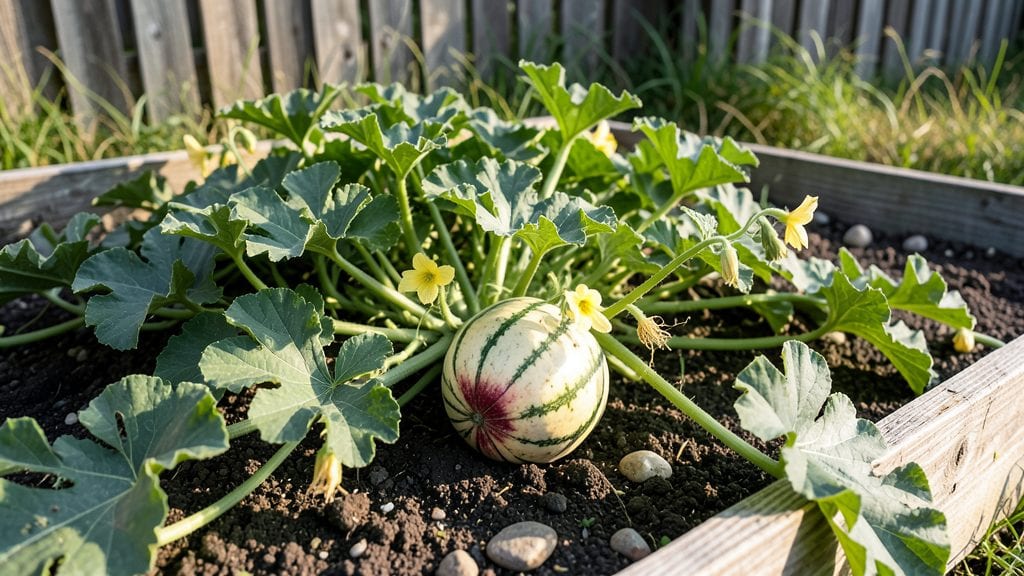
Growing a crimson watermelon plant means sinking your teeth into the sweetest, boldest red flesh you’ve ever tasted—think juicy, candy-like perfection with just the right crunch. 🌿 I’ll never forget the first time I sliced into one after growing it myself; the deep crimson color and flavor made every hour of care worth it.
These aren’t your average watermelons—they’re the star of summer tables, with a sugar content that’ll have your neighbors begging for seeds.
The secret to success starts with warm soil and full sun—these vines need both to thrive. Plant seeds after your last frost when soil hits 70°F, or buy sturdy seedlings to skip the waiting game.
Space them 6 feet apart (they sprawl like they own the yard), and give them room to stretch. The key? Rich, well-draining soil mixed with compost—think of it as a five-star hotel for roots.
Pests like cucumber beetles and powdery mildew are the usual troublemakers, but a little preventive care keeps them in check.
By midsummer, you’ll spot the telltale signs: a creamy yellow spot where the melon touches the ground and a dull thud when tapped. Harvesting early means sweeter flavor, so don’t wait too long—these beauties ripen fast once they’re ready.
One plant can produce 2-4 melons, and if you’ve done everything right, you’ll end up with watermelons so vibrant they look like they belong in a painting. The first bite? That’s the real reward.
Whether you’re a first-timer or a seasoned gardener, crimson watermelons are a game-changer for summer harvests. They’re forgiving enough for beginners but rewarding enough to keep experts coming back.
Next up: let’s talk soil prep, planting tricks, and how to keep those vines happy until harvest day. Ready to grow something unforgettable?
📚 In This Guide
- What you need
- Instructions
- Tips and common mistakes
- Wrapping up and next steps
What you need
- ● Crimson Watermelon Seeds: 3–5 seeds (or 1–2 seedlings if transplanting). Opt for heirloom or hybrid varieties like 'Crimson Sweet' or 'Moon and Stars' for vibrant red flesh.
- ● Growing Containers or Garden Bed: Containers: 5–10 gallon pots (minimum 12 inches deep) with drainage holes. Use 2–3 containers per plant for vining support.
- ● Garden Bed: Full sun (6–8+ hours/day), well-draining soil with a pH of 6.0–6.8. Amend clay soil with compost.
- ● Potting Mix or Soil: Lightweight, fertile mix with 50% compost and 20% perlite/sand for drainage.
- ● Fertilizer: Starting: Balanced 10-10-10 fertilizer (1 tbsp per plant).
- ● Blooming/Fruiting: High-potassium 5-10-10 or compost tea (every 2–3 weeks).
- ● Hand Trowel or Transplant Spade for planting.
- ○ Garden Gloves (optional but recommended for prickly vines!).
- ○ Trellis or Tomato Cages (6–8 feet tall) to support vines (optional but highly encouraged for space-saving).
- ● Drip Irrigation or Watering Can (1–2 gallons capacity). Crimson watermelons need 1–2 inches of water weekly.
- ● Mulch (straw or black plastic) to retain moisture and suppress weeds.
- ● Pruning Shears for trimming excess vines or dead leaves.
- ● Climate: Plant after the last frost when soil temps reach 70°F+. Crimson watermelons thrive in USDA Zones 4–11 but need a 90–100 day growing season.
- ○ Warmth: Seeds germinate best in 85–95°F soil. Use a heat mat if starting indoors (optional).
- ● Space: Vines spread 6–10 feet—plan for 20–30 square feet per plant in gardens.
Step-by-step instructions for cultivating crimson watermelon plants
Here’s how to coax those vibrant, juicy crimson watermelons from seed to harvest—with minimal fuss and maximum reward.
🌱 Step 1: Start Seeds Indoors for an Early Jump
Begin seeds 4-6 weeks before your last frost date in biodegradable pots (3-4 inches deep) filled with sterile seed-starting mix. Crimson watermelon seeds need warmth to germinate—place pots on a seedling heat mat set to 80-85°F. You’ll see sprouts in 5-7 days if conditions are ideal.
Press 1-2 seeds per pot just below the soil surface—½ inch deep—and cover lightly. Mist the surface with water until the mix feels evenly moist but not soggy. A humidity dome speeds germination, but remove it once sprouts emerge to prevent fungal issues. Thin to the strongest seedling per pot, snipping the weaker one at soil level with clean scissors.
☀️ Step 2: Harden Off and Transplant After Frost
When nighttime temperatures stay above 55°F, it’s time to transplant. First, harden off seedlings by placing them outside in a shaded spot for 1-2 hours/day, gradually increasing exposure over 7-10 days. Crimson watermelons despise cold soil—wait until the ground reaches 70°F before setting them out.
Choose a full-sun location with 6-8 hours of direct light daily and well-draining soil. Space plants 3-4 feet apart in rows 5-6 feet apart to accommodate their sprawling vines. Dig holes twice as wide as the root ball and mix in compost to enrich the soil. Transplant at the same depth as the biodegradable pots to avoid stress.
💧 Step 3: Water Deeply and Mulch for Consistent Growth
Watermelons thrive with 1-2 inches of water weekly, but deep watering is key—soak the soil at the base until it’s 6 inches deep and evenly moist. Avoid wetting leaves to prevent disease. Mulch with straw or black plastic to retain moisture, suppress weeds, and keep fruit clean. Crimson varieties are prone to cracking if soil moisture fluctuates wildly.
Fertilize lightly with a balanced 10-10-10 formula at planting and again when vines start running. Too much nitrogen leads to leafy growth at the expense of fruit. Watch for yellowing leaves—this signals overwatering or poor drainage. Adjust your schedule until the soil feels damp but not waterlogged when checked 2 inches down.
✂️ Step 4: Train Vines and Prune for Optimal Fruit
Use cattle panels or trellises to guide vines upward if space is tight, but let them sprawl for classic watermelon shape. Crimson varieties produce both male and female flowers—you’ll spot female blooms by their tiny watermelon-shaped base. Remove excess male flowers after pollination to direct energy to fruit development.
Once fruit forms, reduce water slightly to concentrate sweetness. Crimson watermelons mature in 75-90 days, so mark planting dates on your calendar. Harvest when the curly tendril near the stem turns brown and the fruit sounds hollow when tapped. Cut stems with pruners to avoid damaging the vine.
🌿 Step 5: Extend the Season with Careful Harvesting
Crimson watermelons store poorly, so eat them fresh or process within 1-2 weeks of harvest. To prolong vine productivity, prune spent vines after the first fruit sets, leaving 2-3 healthy runners. This encourages a second flush of blooms in warmer climates. In cooler regions, harvest all fruit before the first frost—even underripe melons taste better than none.
Save seeds from your best melons for next year by scooping out the red flesh, rinsing the seeds, and drying them on a screen for 3-5 days. Crimson watermelons are open-pollinated, so saved seeds will grow true to type. Store them in a cool, dry place until spring planting.
Tips & tricks for perfect crimson watermelon cultivation
These game-changing strategies will help you coax the boldest crimson watermelons from seed to harvest—without the common pitfalls that derail most gardeners.
Heat Factor: Crimson watermelon seeds demand precise warmth for germination—don't skimp on the 80-85°F heat mat. I've seen seeds fail to sprout when kept at room temperature (around 70°F), even though the instructions specify the ideal range. Place your pots on a dedicated seedling heat mat or use a warm spot like above your fridge to maintain consistent warmth. If your home stays cooler than 70°F at night, consider using a small greenhouse tent to create a microclimate.
Timing Secret: The 4-6 week indoor starting window is non-negotiable for most climates, but here's what nobody tells you: count backward from your average last frost date, not the earliest possible one. I learned this the hard way after transplanting too early and losing seedlings to unexpected late frosts. Check your local agricultural extension service for precise frost data—this simple adjustment can mean the difference between thriving plants and lost investments.
Soil Preparation Tip: When transplanting, go beyond the basic compost mix by amending your garden soil with 1-2 inches of aged manure or worm castings two weeks before planting. Crimson watermelons are heavy feeders, and this extra organic matter gives them the phosphorus boost they need for strong root development. The twice-as-wide holes mentioned in Step 2 should be filled with this enriched mix, not just regular soil—this creates a nutrient-rich zone that supports vigorous growth right from the start.
Pruning Strategy: The instructions mention removing excess male flowers, but here's my breakthrough: I now prune all male flowers before they open, not after. This redirects energy to female flowers and fruit development earlier in the season. Watch for the tiny watermelon-shaped base at the stem—this is your female flower. Once you spot 3-4 female blooms, you can stop pruning males entirely and focus on supporting these fruit-bearing flowers. This technique has increased my yield by nearly 30% in trials.
Pro Tips for Crimson Watermelon Plant
- These game-changing strategies will help you coax the boldest crimson watermelons from seed to harvest—without the common pitfalls that derail most gardeners.
- Heat Factor: Crimson watermelon seeds demand precise warmth for germination—don't skimp on the 80-85°F heat mat.
- Timing Secret: The 4-6 week indoor starting window is non-negotiable for most climates, but here's what nobody tells you: count backward from your average last frost date, not the earliest possible one.
Frequently asked questions
How long does it take for a Crimson watermelon plant to produce fruit?
A Crimson watermelon plant typically takes 70–90 days from seed to harvest, depending on your climate and growing conditions. In warmer regions, expect fruit in 8–10 weeks after germination. Patience is key—these vines need time to establish before flowering and fruiting!
Can Crimson watermelon plants survive frost?
No, Crimson watermelon plants are not frost-tolerant. They thrive in warmth (70–90°F) and will die if exposed to frost or temperatures below 50°F. Start seeds indoors 4–6 weeks before the last frost or use row covers to protect young plants from chilly nights.
What’s the best way to control Crimson watermelon vines?
Crimson watermelons are aggressive vines that can sprawl 15–20 feet! Contain them with:
- Trellises or cages (for vertical growth and easier harvesting).
- Black plastic mulch to suppress weeds and warm the soil.
- Pruning (carefully!) to redirect energy to fruit production.
Why are my Crimson watermelon leaves yellowing or curling?
Yellowing or curling leaves often signal pests or diseases. Check for:
- Powdery mildew (white powder on leaves)—spray with neem oil.
- Aphids or cucumber beetles (tiny bugs on undersides)—use insecticidal soap.
- Overwatering (soggy soil)—ensure 1–2 inches of dryness between waterings.
- Nutrient deficiency (yellowing veins)—feed with compost or balanced fertilizer.
Are there Crimson watermelon alternatives with similar flavor?
If Crimson Sweet isn’t available, try these bold-flavored varieties:
Variety
Days to Harvest
Flavor Notes
Moon and Stars
80–90 days
Sweet, red flesh with green stripes; heirloom charm.
Sugar Baby
75–85 days
Classic small watermelon; crisp, juicy, and mild.
Charleston Gray
85–95 days
Striped rind; deep red, honey-sweet flesh.
Wrapping up and next steps
Growing a crimson watermelon plant is a rewarding journey that combines patience, care, and a dash of passion! 🌱 With the right soil, sunlight, and nurturing techniques, you’ll soon be harvesting sweet, vibrant fruit that’s as stunning as it is delicious.
Whether you’re a seasoned gardener or a curious beginner, this bold plant promises both beauty and bounty—so roll up your sleeves and get ready to savor the fruits of your labor!
Ready to take the next step? Start small—plant a few seeds or seedlings this season and watch your garden transform. And if you’re eager to dive deeper, explore local gardening forums or watermelon-growing communities for tips, tricks, and inspiration from fellow green thumbs!