Pruning
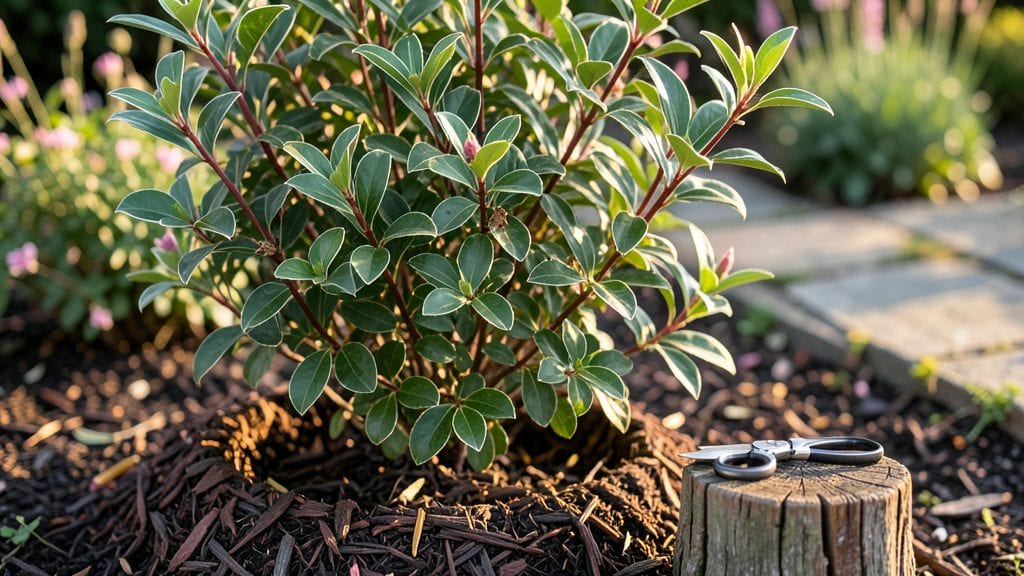
Pruning euonymus plants transforms them from wild shrubs into showstopping garden features—if you do it right. ✨ I’ve spent years shaping mine into everything from formal hedges to dramatic topiary, and the key isn’t timing alone but how you cut.
Most gardeners prune once in spring and call it done, but euonymus responds best to three strategic trims that keep it lush and healthy year-round.
The secret lies in three simple tools—a sharp pair of bypass pruners, loppers for thicker branches, and a clean saw for stubborn stems—and knowing when to use them. Late winter is for shaping, summer for light tidying, and early fall for rejuvenation.
Each trim serves a purpose: winter cuts encourage fresh growth, summer pruning prevents overcrowding, and fall trims prepare the plant for winter dormancy. No fancy techniques, just intentional cuts at the right time.
What you’ll end up with is a euonymus that stays compact, dense, and vibrant, with fewer leggy branches and more striking foliage. The bright pink or red stems pop against the green leaves, and the plant puts all its energy into new growth instead of struggling with overgrowth.
Even if you’ve never pruned before, this method is foolproof—just follow the seasonal rhythm, and your euonymus will thank you.
Works for both formal hedges and ornamental varieties, whether you’re dealing with a sprawling Euonymus alatus or a compact Euonymus japonicus. The same principles apply, so you can adapt the timing slightly based on your climate. Here’s how to make it happen without a single dead branch in sight.
📚 In This Guide
- What you need
- Instructions
- Tips and common mistakes
- Wrapping up and next steps
What you need
- ● Bypass pruners – Sharp, high-quality (e.g., Felco F-2 or Corona) for clean cuts on small to medium stems.
- ● Loppers – Long-handled (18–24 inches) for thicker branches (½–1½ inches in diameter).
- ● Pruning saw – (8–10 inches) for stubborn, woody stems (over 1½ inches).
- ● Garden gloves – Heavy-duty, cut-resistant to protect your hands from thorns or rough bark.
- ● Disinfectant (70% isopropyl alcohol or diluted bleach) – 1 part bleach to 9 parts water to sterilize tools between cuts and prevent disease.
- ● Rubbing alcohol or hand sanitizer – For quick tool disinfection in the field.
- ○ Pruning sealant (optional but helpful) – (e.g., Tanglefoot Tree Wound Pruning Seal) for large cuts to reduce sap loss.
- ● Extension pole pruners – For hard-to-reach branches on taller Euonymus varieties.
- ● Sharpie or permanent marker – To mark branches for removal before cutting.
- ● Bucket or tarp – For collecting pruned branches and debris.
- ● Safety glasses – If working with large branches or near your face.
- ● Plant food or compost – To nourish the plant post-pruning (e.g., balanced 10-10-10 fertilizer).
Step-by-Step guide for pruning euonymus plants year-round
Keep your euonymus looking sharp with these three seasonal trims—each one targets growth differently.
✂️ Step 1: Light Pruning After Flowering (Late Spring)
Euonymus blooms in late spring, and that’s your first cue to prune. Remove any dead or crossing branches first—they’ll compete with new growth for energy. I like to use clean, sharp pruners to make cuts just above a leaf node or outward-facing bud. This ensures the plant directs energy where you want it.
Next, trim back any leggy growth that’s stretching too far from the plant’s center. You’ll see these as long, thin stems with sparse leaves. Cutting them back by one-third encourages bushier, denser growth. Avoid heavy pruning now—just shape lightly to maintain the plant’s natural form.
✂️ Step 2: Structural Pruning in Early Summer
By early summer, your euonymus will have filled out, and this is when you refine its shape. Start by thinning out crowded branches—look for stems growing inward or rubbing against others. Removing these prevents disease and improves airflow, which is especially important if your euonymus is in a humid climate.
For larger branches, make cuts just outside the branch collar (the swollen area where the branch meets the trunk). Use your pruners at a 45-degree angle to allow water to run off the cut. If you’re pruning for height, never cut more than one-third of the plant’s height at once—euonymus recovers well, but drastic cuts shock the plant.
✂️ Step 3: Minimal Cleanup in Late Fall (Before Dormancy)
Fall is all about tidying up, not reshaping. Remove any dead, diseased, or weak branches first—they’re easy to spot now that the leaves have dropped. Euonymus often develops seed pods in fall, and while they’re pretty, they drain energy. Snip them off to redirect the plant’s resources into next year’s growth.
This is also the time to check for any branches that have grown too close to sidewalks or structures. Trim these back to prevent damage during winter storms. Avoid heavy pruning now—the plant needs time to harden off before cold weather. A light cleanup keeps it healthy without stressing it before dormancy.
⏰ Step 4: Winter Pruning (Optional, for Severe Overgrowth)
If your euonymus looks unruly in winter, you can do a final light prune before new growth starts. Focus only on dead or broken branches—euonymus is dormant now, so it won’t respond well to heavy cuts. Use your pruners to remove any stems that were damaged by frost or winter winds.
This step is optional, but it keeps the plant looking neat before spring. Just avoid pruning in late winter, as new growth can be killed by late frosts. If you do prune now, do it on a mild day when temperatures are above 40°F to prevent stress on the plant.
Tips & tricks for perfect euonymus plant pruning
Mastering the art of pruning euonymus plants year-round takes practice, but these key strategies will help you keep your shrubs looking their best without stressing the plant.
Tool Prep Matters: Before you start, make sure your pruners are clean and sharp—dull blades tear instead of cut, which can damage the plant. I like to wipe them down with rubbing alcohol between cuts to prevent spreading disease. Sterilizing your tools is especially important if you're pruning multiple plants or if your euonymus shows signs of disease.
Seasonal Timing Secret: In Step 1 (late spring), focus on removing only dead or crossing branches first—they're the plant's energy vampires. For leggy growth, cutting back by one-third (as mentioned) works wonders, but remember: this is about shaping, not drastic reshaping. The goal is to encourage bushier growth without shocking the plant after flowering.
Branch Collar Technique: When making larger cuts in Step 2 (early summer), always cut just outside the branch collar at a 45-degree angle. This technique prevents water from pooling in the cut, which could lead to rot. I've seen too many pruning mistakes where cuts were made too close to the trunk or at awkward angles—it makes all the difference in how well the plant heals.
Winter Pruning Wisdom: If you choose to prune in winter (Step 4), only remove dead or damaged branches—euonymus is dormant and won't respond well to heavy cuts. The 40°F minimum temperature guideline is critical here; pruning in colder weather stresses the plant and can lead to frost damage on new growth. Think of winter pruning as a final tidying-up rather than a major reshaping session.
Pro Tips for Euonymus Plant Pruning
- Mastering the art of pruning euonymus plants year-round takes practice, but these key strategies will help you keep your shrubs looking their best without stressing the plant.
- Tool Prep Matters: Before you start, make sure your pruners are clean and sharp—dull blades tear instead of cut, which can damage the plant.
- Seasonal Timing Secret: In Step 1 (late spring), focus on removing only dead or crossing branches first—they're the plant's energy vampires.
Frequently asked questions
Got questions about keeping your euonymus looking its best? Here are some of the most common concerns—plus straightforward answers to help you prune like a pro!
When is the best time to prune euonymus for thick, healthy growth?
Prune euonymus three times a year: late winter/early spring (to shape before new growth), summer (light trim to encourage bushiness), and early fall (cleanup before winter). Avoid heavy pruning in fall—it can stress the plant before dormancy.
Can I prune euonymus too much? What are the signs?
Yes! Over-pruning weakens the plant and may lead to bare stems, sparse foliage, or stunted growth. If you see long, leggy branches or fewer leaves than usual, you’ve likely cut too aggressively. Stick to removing no more than 1/3 of the plant’s growth per year.
What should I do if my euonymus has dead or diseased branches?
Remove dead, dying, or diseased branches immediately—even outside the pruning seasons. Cut back to healthy green tissue (not brown or mushy wood) and sterilize your tools with rubbing alcohol to prevent spreading. Bag and dispose of infected branches away from the garden.
Is there a way to prune euonymus for a specific shape (e.g., hedge, topiary, or bush)?
For hedges, use sharp shears to trim evenly every 4–6 weeks. For topiary, shape gradually with hand pruners and wire supports. For a natural bush, focus on thinning out overcrowded centers and opening the canopy to airflow. Patience is key—euonymus responds well to consistent, gentle shaping.
Do I need to prune euonymus in winter? What about frost?
Light pruning in late winter (before buds swell) is ideal for shaping, but avoid heavy cuts in freezing temps. If you must prune in winter, do it on a mild day (above 40°F/4°C). Euonymus is hardy, but fresh cuts are more vulnerable to frost damage. Wait until spring for major trims.
Wrapping up and next steps
Mastering euonymus plant pruning is all about timing, technique, and a little patience—your hard work will pay off with a lush, sculpted plant year after year! 🌿 By following the three seasonal trims (spring, summer, and fall), you’ll keep your euonymus healthy, vibrant, and perfectly shaped.
Now that you’re armed with the right tools, tips, and timing, grab those shears and get pruning—your garden will thank you!
Ready to take it further? Experiment with creative shapes or try propagating cuttings to expand your euonymus collection. Happy pruning! ✂️