
Container Gardens
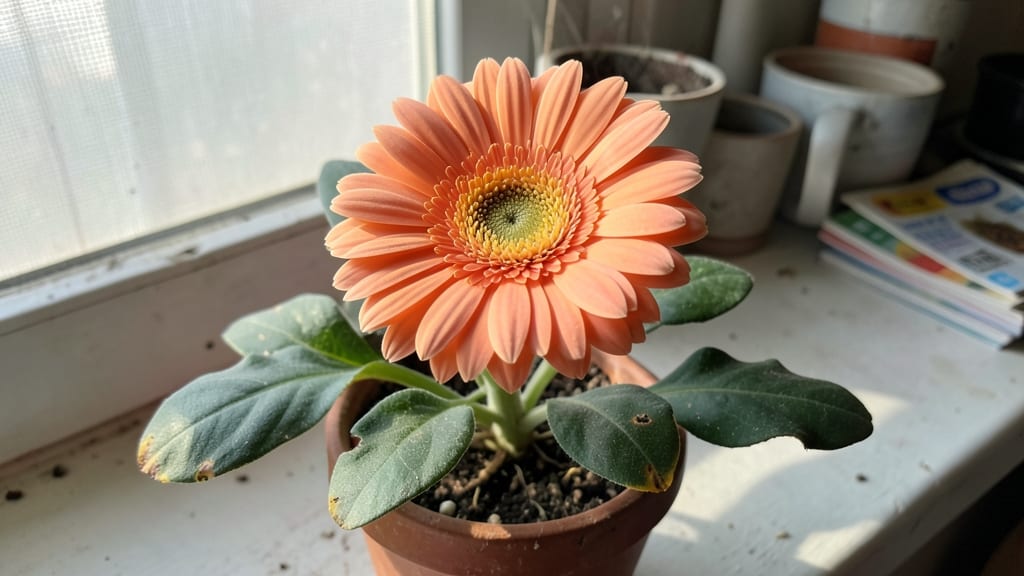
Transform your space with a gerbera indoor plant, and those vibrant blooms will brighten your home—even when sunlight is scarce. ✨ The secret’s simple: tweak your setup to match their needs, from the right pot to a steady watering routine.
Most people overlook how humidity and light balance work together, but once you get it right, you'll have flowers lasting for months.
You'll need a pot with drainage holes, well-draining soil mix, and a spot with bright indirect light—think east or north-facing windows. Gerberas hate soggy roots, so let the top inch dry between waterings.
A humidity tray or occasional misting keeps the air just right for those vibrant blooms to keep coming back.
By following these steps, you'll see buds forming within 8-12 weeks and flowers that stay fresh for 2+ weeks per stem. The secret to long-term success is pruning spent blooms and feeding them lightly every few weeks.
Even in low-light conditions, gerberas will reward you with color that brightens any room.
Works perfectly for apartments, offices, or sun-starved corners. Here's how to keep them thriving all year—no greenhouse required!
📚 In This Guide
- What you need
- Instructions
- Tips and common mistakes
- Wrapping up and next steps
What you need
- ● Pro tip: 💡 If your home has low light, opt for a gerbera variety with darker petals (e.g., 'Teresa' or 'Mambo'), as they tolerate shade better than bright-colored types!
Step-by-step guide to growing gerbera daisies indoors
Bring vibrant color inside with this easy, foolproof method for thriving gerbera daisies.
🪴 Step 1: Select the Right Pot and Soil Mix
Choose a 6-8 inch diameter pot with drainage holes—gerberas hate soggy roots. I use terracotta because it breathes and helps prevent overwatering. Fill the bottom inch with small pebbles or perlite to improve drainage, then add a mix of 50% potting soil and 50% perlite or orchid bark for excellent aeration.
Gently press the mix down to remove air pockets, but don't compact it too tightly. The soil should feel light and fluffy—like a damp sponge. This airy mix prevents root rot, which is the #1 killer of indoor gerberas. I always test the soil by squeezing it; if water drips out, it's too wet.
🌱 Step 2: Plant Your Gerbera with Proper Spacing
Remove the gerbera from its nursery pot and gently loosen the roots if they're circling. Place the plant in the center of your pot so it sits at the same depth as it did in the nursery container. The top of the root ball should be just below the pot's rim.
Fill around the sides with your soil mix, pressing lightly to eliminate air gaps. Don't bury the plant too deeply—this can cause stem rot. Water immediately after planting to help settle the soil and eliminate air pockets. You'll know it's right when the soil surface looks evenly moist but not glistening.
☀️ Step 3: Position for Bright, Indirect Light
Gerberas need bright, indirect light for at least 6 hours daily. A south or west-facing window works best, but avoid harsh afternoon sun that can scorch delicate petals. If your space is dim, supplement with a grow light kept 12-18 inches away.
Rotate the pot quarter turn weekly so the plant grows evenly. You'll notice leaves reaching toward the light—this is normal. If leaves turn pale or stems stretch excessively, your plant needs more light. Dark green leaves with no flowers mean it needs brighter conditions.
💧 Step 4: Master the Watering Routine
Water when the top inch of soil feels dry—usually once a week in winter, every 3-4 days in summer. I use room-temperature water and pour until it drains freely from the bottom. Empty the saucer after 10 minutes to prevent root rot.
Never let gerberas sit in waterlogged soil. Yellowing leaves or mushy stems are signs of overwatering. If this happens, let the soil dry completely before watering again. In winter, reduce watering to every 10-14 days as growth slows.
✂️ Step 5: Encourage Continuous Blooming
Deadhead spent blooms by snipping the stem ½ inch above the next leaf with clean scissors. This redirects energy to new flower production. I do this every 2-3 days during peak blooming season to keep my gerberas looking fresh.
Fertilize every 4-6 weeks during spring and summer with a balanced liquid fertilizer (10-10-10). Reduce to monthly in fall and stop fertilizing in winter. Over-fertilizing causes leafy growth at the expense of flowers—what we want is vibrant blooms, not foliage.
Tips & tricks for perfect gerbera indoor plant care
These simple tricks will help you keep your gerbera daisies blooming beautifully indoors, even with limited light.
Soil Texture Matters: The 50/50 mix of potting soil and perlite or orchid bark is key for preventing root rot. I've found that adding a handful of coconut coir to the mix helps retain moisture without compacting the soil too much. After mixing, run your finger through it—it should feel like a damp sponge, not a wet rag. This texture lets roots breathe while holding enough moisture for your gerbera's needs.
Light Positioning Secret: That 6 hours of bright, indirect light is non-negotiable, but here's what I've learned: East-facing windows provide perfect morning light without harsh afternoon sun. If you notice your gerbera stretching toward the light (a condition called etiolation), it's time to move it closer or add a grow light. I keep my grow light 12 inches away and run it for 8 hours daily during winter months when natural light is scarce.
Watering Wisdom: The 10-minute drain time after watering is crucial—it prevents waterlogging that leads to root rot. I've ruined three gerberas by ignoring this step! After emptying the saucer, I like to check the soil weight: a dry pot feels noticeably lighter than one that's properly moist. This tactile check helps me determine when it's time to water again without relying solely on the schedule.
Fertilizer Timing Tip: Those 4-6 week intervals during spring and summer are perfect, but here's a pro move: I mix my fertilizer with water and apply it during the weekly watering routine. This ensures consistent nutrition without overdoing it. In fall, I switch to half-strength fertilizer monthly to prepare the plant for winter dormancy. The key is to stop fertilizing completely in winter—your gerbera needs this break to recharge.
Pro Tips for Gerbera Indoor Plant
- These simple tricks will help you keep your gerbera daisies blooming beautifully indoors, even with limited light.
- Soil Texture Matters: The 50/50 mix of potting soil and perlite or orchid bark is key for preventing root rot.
- Light Positioning Secret: That 6 hours of bright, indirect light is non-negotiable, but here's what I've learned: East-facing windows provide perfect morning light without harsh afternoon sun.
Frequently asked questions
Got questions about keeping your gerbera indoor plant thriving? You’re not alone! Here are answers to the most common concerns—from lighting to pests—so you can enjoy those vibrant blooms without stress.
Can gerbera daisies survive in low-light conditions?
While gerberas love bright, indirect light (like a sunny windowsill), they can tolerate moderate light for short periods. In dim rooms, expect slower growth and fewer blooms. Supplement with a grow light (12–14 hours/day) if flowers fade or leaves yellow. Avoid deep shade—it’s a fast track to leggy stems!
How often should I water my indoor gerbera?
Water when the top 1–2 inches of soil feel dry—about once a week in warm weather, less in winter. Overwatering is the #1 killer! Use a pot with drainage holes and empty the saucer after 10 minutes to prevent root rot. Pro tip: Stick your finger in the soil—it’s the best moisture meter!
What pests should I watch for, and how do I treat them?
Gerberas attract aphids, spider mites, and whiteflies. Check undersides of leaves for sticky residue or tiny webs. Treat early with:
- Neem oil spray (mix 1 tsp neem oil + 1 tsp mild soap in 1 quart water).
- Insecticidal soap (spray directly on pests).
- Isolate the plant to prevent spread.
Why aren’t my gerberas blooming indoors?
Blooms fade when plants lack light, nutrients, or proper care. Try these fixes:
- Move to a sunnier spot (south- or west-facing window).
- Fertilize every 4–6 weeks with a balanced liquid fertilizer (10-10-10).
- Trim dead flowers to encourage new buds.
- Ensure 60–70% humidity (use a pebble tray or humidifier).
What’s the best alternative if gerberas are too high-maintenance?
If gerberas seem finicky, try these low-light, blooming indoor plants:
Plant
Light Needs
Care Level
Peace Lily (Spathiphyllum)
Low to bright indirect
Easy (forgiving of neglect)
ZZ Plant (Zamioculcas)
Low light
Very low (thrives on forgetfulness)
African Violet (Saintpaulia)
Bright indirect
Moderate (needs consistent moisture)
Wrapping up and next steps
Bringing the cheerful vibrancy of gerbera daisies indoors is easier than you think—even in low-light spaces! 🌸 With the right care, these low-maintenance bloomers will reward you with year-round color, lifting your mood and brightening any room.
Whether you’re a beginner or a seasoned plant parent, their resilience and beauty make them the perfect addition to your indoor garden.
Ready to transform your space? Start small: Choose your pot, gather your supplies, and follow the simple steps to nurture your gerbera. Watch as those sunshine-yellow petals bloom, and soon, you’ll be sharing your green thumb success with friends—or even expanding your collection! 🌱