
Picking
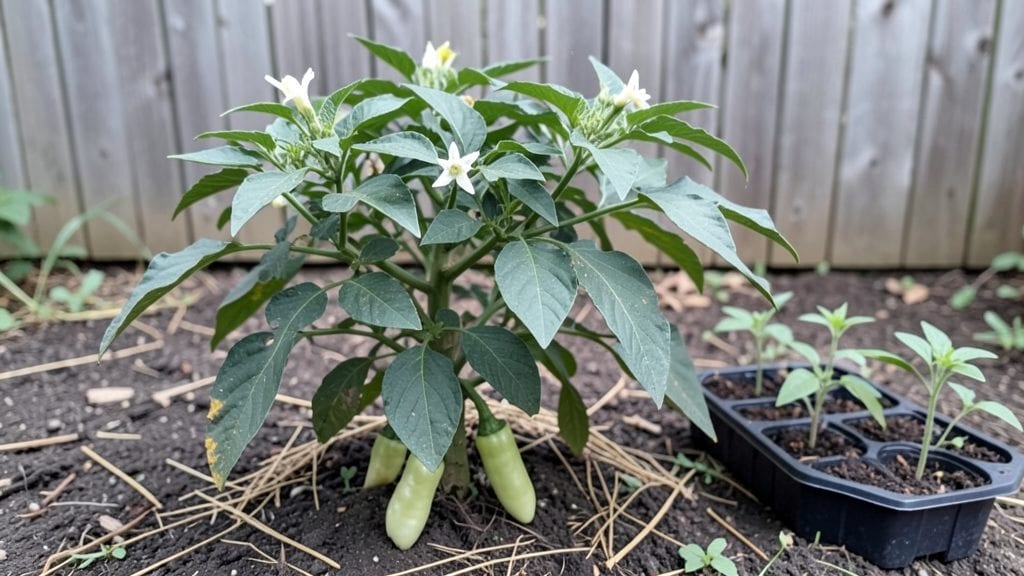
Planting habanero peppers is how you turn a sunny corner into a fiery harvest within 90 days—and yes, it’s easier than you think. I’ve grown these heat monsters for years, and the secret starts with warm soil, the right timing, and a little patience.
The first time I saw those tiny green peppers form, I knew I’d never buy store-bought again.
You’ll need a spot that gets full sun (at least 6-8 hours daily), well-draining soil mixed with compost, and a warm environment—habaneros hate cold. Start seeds indoors 8-10 weeks before your last frost, or buy sturdy transplants after all danger of frost has passed.
If you’re container gardening, a 5-gallon pot per plant works perfectly, but in-ground spots need 18-24 inches between plants.
Once planted, keep the soil moist but not soggy—these peppers are drought-tolerant but reward consistent watering with bold, glossy leaves and eventually, those signature orange or red fruits. The first peppers appear around 75-90 days, and the heat?
That’s when you’ll know you’ve nailed it. Just be ready for the spicy payoff—and maybe some salsa recipes.
Works in zones 9-11 year-round, and in cooler climates, treat them as annuals. If you’ve ever wanted to grow something that packs a punch, this is your chance. Let’s get those seeds in the ground!
📚 In This Guide
- What you need
- Instructions
- Tips and common mistakes
- Wrapping up and next steps
What you need
- ● Habanero seeds – 5–10 seeds (or 1–2 starter plants from a nursery if you’re impatient!)
- ● Biodegradable seedling pots or small containers (4–6 inches deep, 1–2 per seed)
- ● High-quality potting mix – Lightweight, well-draining blend (avoid garden soil—it’s too dense!)
- ● Grow lights or sunny windowsill – 6+ hours of light daily (south-facing window or LED grow lights work best)
- ● Spray bottle – For gentle watering (avoid drowning those tiny seedlings!)
- ● Fertilizer – Balanced liquid fertilizer (10-10-10 or organic fish emulsion) or slow-release granules
- ● Transplant containers or garden bed – 5-gallon pots or a raised bed (habaneros love space!)
- ● Well-draining soil – Mix in compost or perlite for aeration (habaneros hate soggy roots!)
- ○ Stakes or cages – Optional but helpful as plants grow tall (3–4 feet!)
- ● Warmth – Habaneros thrive in temps between 75–90°F (24–32°C). Wait until after the last frost or start indoors 8–12 weeks before transplanting.
- ● Sunlight – Full sun (6+ hours daily) is a must. Partial shade = sad, underwhelming peppers.
- ● pH-balanced soil – Aim for 6.0–7.0 (test with a soil kit if unsure).
- ● Heat mat – Speeds up germination for cold-starting seeds.
- ● Pruning shears – For shaping plants and removing suckers.
- ● Mulch – Straw or black plastic to retain moisture and regulate soil temp.
- ● Pest control – Neem oil or insect netting (aphids and spider mites love habaneros!).
- ● Gloves – Trust us, you’ll need them when harvesting! 😅
Step-by-step instructions for planting habanero peppers
Here's how to cultivate these fiery plants with precision—from seed to harvest—using proven techniques.
Start Seeds Indoors for Early Growth
Begin sowing habanero seeds indoors 8-10 weeks before your last frost date. Use the sterile seed-starting mix to fill small pots or seed trays, pressing it down gently to eliminate air pockets. Habanero seeds germinate best at 75-85°F, so place them on a seedling heat mat or in a warm spot like the top of your fridge.
Plant seeds ¼ inch deep—any deeper and they’ll struggle to reach the surface. Cover lightly with additional mix, then mist the surface with warm water until evenly moist. Seal the pots with a humidity dome or plastic wrap to retain warmth and moisture. Check daily for condensation; if it disappears, mist again. Germination typically occurs in 7-14 days, but some stubborn seeds may take up to 21 days.
Provide Optimal Light for Strong Seedlings
Once seedlings emerge, remove the humidity dome immediately to prevent damping-off disease. Position them under grow lights or in a south-facing window where they’ll receive 14-16 hours of light daily. Habanero seedlings need intense light to avoid becoming leggy—thin, weak stems that stretch toward any available source.
Keep the lights 2-3 inches above the seedlings and raise them gradually as the plants grow. Without sufficient light, seedlings develop pale, elongated stems and sparse leaves, making them vulnerable to pests and poor yield. You’ll know they’re thriving when they develop bold, deep green leaves and compact growth within 3-4 weeks.
Harden Off and Transplant Outdoors
Two weeks before your last frost date, begin hardening off seedlings by placing them outside in a sheltered, shaded area for 1-2 hours the first day. Gradually increase their outdoor time over 7-10 days, exposing them to direct sunlight and mild winds to toughen their cell structure. This step is critical—skipping it can shock plants, causing leaves to wilt or drop.
Transplant seedlings into the garden when nighttime temperatures consistently stay above 55°F and all danger of frost has passed. Dig holes twice as wide as the root ball but only as deep as the container they came in. Space plants 18-24 inches apart to allow for airflow, which reduces humidity-related diseases. Water deeply at the base after planting to settle the soil and encourage root establishment.
Maintain Soil Moisture and Fertility
Habaneros thrive in well-draining, slightly acidic soil with a pH of 6.0-6.8. After transplanting, apply a 2-inch layer of mulch around each plant to retain moisture and suppress weeds. Water deeply once a week, ensuring the soil remains evenly moist but not soggy. Overwatering can lead to root rot, while underwatering causes bitterness in the peppers.
Feed plants every 2-3 weeks with a balanced, water-soluble fertilizer diluted to half strength. You’ll notice new growth and larger leaves within a week of fertilizing. Avoid high-nitrogen fertilizers, which promote leafy growth at the expense of fruit production. Instead, focus on a phosphorus-rich formula to encourage flowering and fruiting.
Prune and Support for Maximum Yield
Once plants reach 12-18 inches tall, prune the lower leaves to improve airflow and reduce humidity around the base. Remove any yellow or diseased leaves immediately to prevent the spread of pathogens. Habaneros benefit from staking or caging—install a 5-foot stake or cage at planting time to support the plant as it grows. This prevents stems from breaking under the weight of heavy peppers.
Pinch off the first few flowers if your goal is larger peppers, as the plant will redirect energy to fewer but more robust fruits. However, if you want an early harvest, leave all flowers to develop. You’ll know peppers are ready to harvest when they turn bright red, orange, or yellow and feel firm to the touch. Use pruning shears to cut stems, leaving a small portion attached to the plant to encourage further fruiting.
Tips & tricks for perfect habanero pepper cultivation
Growing habanero peppers successfully requires attention to detail—these insights will help you navigate the process with confidence and precision.
Seedling Heat Management: Maintaining the 75-85°F germination temperature is crucial, but don't let the heat mat stay on continuously once seeds sprout. After germination, reduce heat to prevent overheating the delicate seedlings, which can cause root burn. I've found placing pots on a heat mat for only 12 hours daily during germination, then removing completely after sprouting, yields stronger seedlings without stress.
Light Positioning Strategy: The 14-16 hours of daily light in Step 2 is non-negotiable, but placement matters just as much. Position your grow lights or seedlings so they receive light from all angles—this prevents the "leggy" growth pattern where stems stretch toward one light source. I rotate my seed trays 180 degrees every 24 hours to ensure even growth, which results in those bold, deep green leaves you want to see within 3-4 weeks.
Transplanting Temperature Caution: While the instructions specify waiting for nighttime temperatures above 55°F, I recommend waiting until daytime temperatures consistently reach at least 65°F before transplanting outdoors. Habaneros are tropical plants that struggle with temperature fluctuations, and transplanting too early can shock the plants even when nighttime temps meet the minimum. Watch your local forecast for a 3-day stretch of stable warm weather before moving them outside.
Fertilizer Timing Nuance: The 2-3 week feeding schedule is ideal, but I've learned to adjust timing based on plant appearance. If your plants show signs of nitrogen deficiency (yellowing lower leaves) before the 2-week mark, give them a light feeding with a phosphorus-rich formula. Conversely, if new growth appears lush but flowers are sparse, reduce fertilizer to every 3-4 weeks and focus on phosphorus to encourage flowering rather than leaf production.
Pro Tips for Habanero Pepper Planting
- Growing habanero peppers successfully requires attention to detail—these insights will help you navigate the process with confidence and precision.
- Seedling Heat Management: Maintaining the 75-85°F germination temperature is crucial, but don't let the heat mat stay on continuously once seeds sprout.
- Light Positioning Strategy: The 14-16 hours of daily light in Step 2 is non-negotiable, but placement matters just as much.
Frequently asked questions
Got questions about growing your own fiery habanero peppers?
You’re not alone—this spicy plant has a few quirks! Here are answers to the most common questions to help you plant, grow, and harvest like a pro.
How long does it take for habanero peppers to mature after planting?
A habanero pepper typically takes 90–120 days from transplant to harvest, depending on the variety and growing conditions. Start seeds indoors 8–10 weeks before your last frost date to ensure a summer harvest. If you’re in a warm climate, direct sow seeds 2–3 weeks after the last frost for a faster turnaround.
Can I grow habaneros in cold climates, or do they need heat?
Habaneros love heat and thrive in temperatures between 75–90°F (24–32°C). If you’re in a cooler zone, grow them in containers and move them indoors during frost or cold snaps. A greenhouse or sunny windowsill can work too! Just avoid drafts—they’re sensitive to sudden temperature drops.
What’s the best way to prevent my habanero plants from getting blight or pests?
Habaneros are prone to fungal diseases like blight and pests like aphids or spider mites. To prevent issues:
- Space plants 18–24 inches apart for airflow.
- Water at the base (avoid wetting leaves) and use drip irrigation to reduce humidity.
- Rotate crops yearly to prevent soil-borne diseases.
- Use neem oil or insecticidal soap for pests.
Are there milder habanero varieties for beginners?
If you’re new to habaneros, try milder varieties like:
- ‘Carolina Reaper’ (milder than the original) – ~50,000–150,000 SHU
- ‘Rojo de Habanero’ – ~100,000–350,000 SHU (classic but slightly tamer)
- ‘Chocolate Habanero’ – ~100,000–350,000 SHU with a sweeter flavor
For extreme heat, stick to ‘Seven Pot’ or ‘Bishop’—but wear gloves when handling!
Why are my habanero peppers not turning red?
Habaneros need full sun (6–8+ hours daily) and consistent warmth to ripen properly. If peppers stay green or yellow:
- Check for underwatering or overwatering—keep soil evenly moist but not soggy.
- Ensure temps stay above 70°F (21°C)—cool nights can stall ripening.
- Add a balanced fertilizer (10-10-10) every 3–4 weeks for nutrients.
- If indoors, supplement with grow lights for 12–14 hours of light.
Patience helps—some peppers take longer to color in cooler weather!
Wrapping up and next steps
Growing habanero peppers is a rewarding journey that brings fiery flavors to your kitchen in just 90 days! With the right soil, sunlight, and care, you’ll soon be harvesting vibrant, heat-packed peppers to spice up your favorite dishes.
Don’t let the challenge intimidate you—every gardener starts somewhere, and your first habanero harvest will be worth the effort.
Ready to take the next step? Start small—plant a few seeds or seedlings this season and experiment with varieties. Before you know it, you’ll be sharing your homegrown heat with friends (and maybe even trading tips with fellow pepper enthusiasts!). 🌶️🔥