Diseases
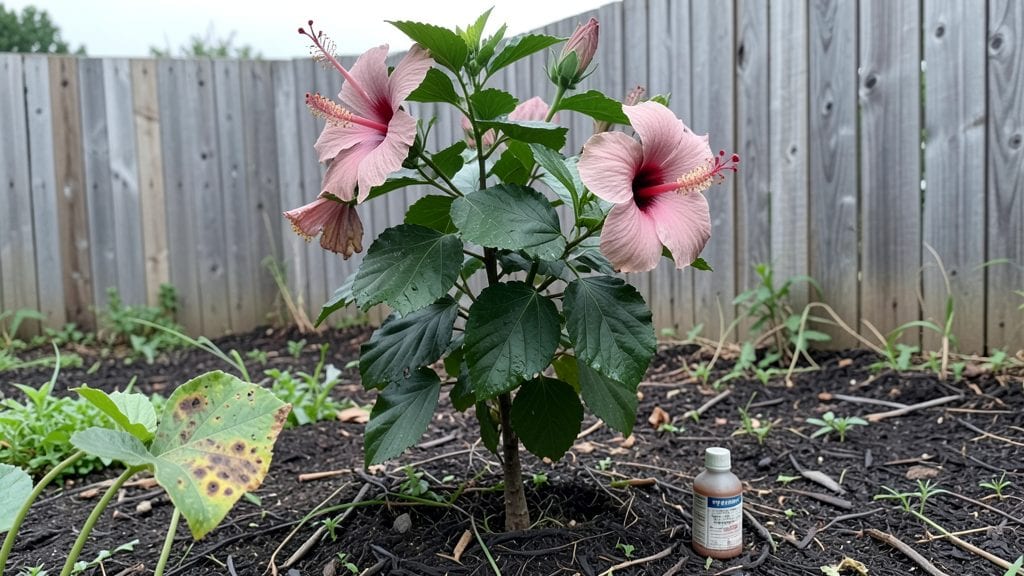
Hibiscus plant diseases don't have to mean the end of your flowering showstopper. 🌺 I've seen entire bushes turn into sad, brown skeletons from just one missed symptom—until I learned the early warning signs that save plants every season. The right treatment turns those "too late" moments into second chances.
Most problems start with water or fungus, but the real game-changer is catching them early. Yellowing leaves? That could be nutrient burn or powdery mildew. Black spots? Leaf spot or anthracnose.
I'll show you how to tell them apart and which fixes work fastest—some take as little as 3 days if you act now. The key is knowing whether to prune, spray, or adjust your watering routine.
You'll walk away with a checklist for healthy hibiscus: when to use neem oil, how often to inspect buds, and the one simple trick that prevents 80% of fungal issues. Even my most stubborn hibiscus—once nearly lost to bud blast—bounced back with these methods. Let's turn your struggling plants around.
This works for tropical hibiscus, hardy hibiscus, and even those tricky dwarf varieties. The same principles apply whether you're dealing with a single pot or a full garden bed. Here's how to keep your hibiscus thriving all season long.
Root Causes Behind Hibiscus Struggles
When your hibiscus plant starts looking worse for wear, it’s rarely just bad luck—there’s usually a clear scientific reason behind the decline. Understanding these causes helps you act fast and save your plant. Let’s break down the key factors that turn a vibrant hibiscus into a struggling one.
Hibiscus plants thrive in specific conditions, and when these are disrupted, diseases and pests move in like uninvited guests. Here’s what throws them off balance:
- Extreme temperatures: Hibiscus prefers warmth (70–85°F) but wilts in heatwaves or freezes below 30°F. Sudden temperature swings weaken its defenses, making it susceptible to fungal infections like Botrytis blight or bacterial leaf spot. Pro tip: Use shade cloth in summer and move potted hibiscus indoors before frost. 🌡️
- Poor air circulation: Dense foliage or crowded planting traps moisture, creating a humid microclimate that fungi love. Diseases like anthracnose or powdery mildew spread faster in still air. Action step: Prune overgrowth and space plants 3–4 feet apart. 🌬️
- Improper watering: Overwatering drowns roots (leading to root rot), while underwatering stresses the plant, inviting spider mites or scale insects. Hibiscus needs consistent moisture—not soggy soil, not bone-dry. Fix: Water deeply 1–2 times weekly (check soil 2 inches down; if dry, water). 💧
Diseases don’t just appear—they’re introduced by pathogens lurking in soil, tools, or even the wind. Here’s how hibiscus becomes their target:
- Fungal spores: Fungi like Phytophthora (root rot) or Colletotrichum (anthracnose) survive in moist, organic-rich soil. They infect through wounds (e.g., pruning cuts) or weak spots. Prevention: Sterilize pruners with rubbing alcohol and avoid overhead watering. 🍄
- Bacterial hitchhikers: Bacteria such as Xanthomonas (bacterial leaf spot) spread via contaminated water, tools, or even rain splashes. They clog plant vessels, causing wilting or dark lesions. Key move: Remove infected leaves immediately and use copper-based bactericides. 🦠
- Viral threats: Viruses (e.g., Tobacco mosaic virus) spread through sap-sucking insects like aphids. Infected hibiscus show mosaic patterns or stunted growth. Solution: Control pests and remove infected plants completely to stop spread. 🦟
A hibiscus that’s malnourished is like a person with a weak immune system—it can’t fight off invaders. Common deficiencies trigger disease symptoms:
| Deficiency | Symptoms | Why It Happens |
|---|---|---|
| Nitrogen (N) | Yellowing leaves (chlorosis), weak stems | Nitrogen fuels leaf growth. Low levels stress the plant, making it prone to fungal infections. Fix: Use a balanced fertilizer (10-10-10) every 4–6 weeks. 🌿 |
| Magnesium (Mg) | Interveinal yellowing (older leaves first) | Magnesium is central to chlorophyll. Deficiency disrupts photosynthesis, weakening the plant. Fix: Apply Epsom salt (1 tbsp/gallon of water) monthly. 💡 |
| Potassium (K) | Brown leaf edges, weak stems | Potassium regulates water and disease resistance. Low levels make hibiscus susceptible to root rot and pests. Fix: Use a potassium-rich fertilizer or wood ash. ✨ |
Warning: Over-fertilizing with phosphorus can also harm hibiscus by promoting fungal growth. Always follow package instructions! 🚫
Pests don’t just eat leaves—they create entry points for diseases. Here’s how they sabotage hibiscus:
- Aphids & whiteflies: These sap-suckers excrete honeydew, a sticky residue that fosters sooty mold (a black fungal growth). They also transmit viruses. Control: Spray with neem oil or introduce ladybugs. 🐞
- Scale insects: Scale creates protective shells on stems/leaves, blocking nutrients and inviting fungal infections. Their waste clogs stomata (leaf pores), suffocating the plant. Remove: Scrape off with a soft brush or use horticultural oil. 🔪
- Spider mites: In dry conditions, these tiny pests puncture leaves, causing stippling and yellowing. Weakened hibiscus can’t resist fungal infections like powdery mildew. Combat: Increase humidity and spray with water to dislodge them. 🕷️
Remember: A single pest outbreak can spiral into a full-blown disease epidemic if left unchecked. Act at the first sign! ⏰
Quick Fixes for Hibiscus Woes
When your hibiscus plant starts showing signs of distress, acting fast can mean the difference between a full recovery and losing your prized shrub. Below are practical, step-by-step solutions tailored to the most common hibiscus diseases, along with prevention tips to keep your plant thriving.
Let’s get your hibiscus back to its vibrant, healthy self!
Fungal infections like powdery mildew (white powdery patches) and rust (orange-brown spots) thrive in humid, poorly ventilated conditions. Here’s how to tackle them:
🔥 Remove Infected Leaves
- 🍳 Snip off heavily infected leaves with sterilized pruners (wipe with rubbing alcohol between cuts).
- 👨🍳 Dispose of them in the trash—not your compost bin—to prevent reinfection.
- 🥘 Focus on new growth to reduce fungal spread.
🔪 Apply Fungicidal Sprays
- 🌿 Neem oil spray (1 tsp neem oil + 1 tsp mild soap + 1 quart water) – Spray early morning or evening (avoid direct sunlight).
- 🌿 Copper-based fungicides (like Bonide Copper Fungicide) – Follow label instructions for best results.
- ⏰ Reapply every 7–10 days until symptoms disappear.
🌡️ Boost Airflow & Light
- 💡 Prune nearby foliage to improve airflow around your hibiscus.
- ✨ Move to a sunnier spot (hibiscus loves 6+ hours of sunlight daily).
- 🎯 Avoid overhead watering—use drip irrigation or soaker hoses instead.
💡 Pro Tip: Water only the soil, not the leaves, to keep fungal spores at bay.
Tiny invaders like aphids, mealybugs, and spider mites suck sap and weaken your hibiscus. Here’s how to evict them:
🍳 Manual Removal (For Small Infestations)
- 👨🍳 Wipe leaves with a soapy water solution (1 tsp mild dish soap + 1 quart water).
- 🥘 Use a cotton swab dipped in rubbing alcohol (70% isopropyl) to dab off mealybugs.
- 🔪 Prune heavily infested stems and dispose of them properly.
🌿 Natural Pest Controls
- 🌿 Introduce beneficial insects like ladybugs or lacewings (available at garden centers).
- 🌿 Spray with insecticidal soap (follow package directions—test on a small leaf first).
- 🌿 Try horticultural oil (like Safer Brand Insect Killing Soap) for stubborn mites.
🌡️ Prevent Future Attacks
- 💡 Inspect new plants before bringing them home (quarantine for a week if possible).
- ✨ Encourage natural predators by planting marigolds or basil nearby.
- 🎯 Avoid over-fertilizing—soft new growth attracts pests.
If your hibiscus leaves yellow, wilt, or drop off suddenly, root rot may be the culprit—usually from overwatering or poor drainage.
🔥 Stop Watering Immediately
- ⏰ Let the top 2–3 inches of soil dry out before watering again.
- 🌿 Check drainage—if water pools in the saucer, your plant needs better pots or gravel at the bottom.
🌿 Repot if Necessary
- 🍳 Gently remove the plant from its pot and inspect the roots.
- 👨🍳 Trim away mushy, black roots (use sterilized scissors).
- 🥘 Repot in fresh, well-draining soil (a mix of potting soil + perlite or sand works well).
🌡️ Adjust Your Watering Habits
- 💡 Water deeply but infrequently—hibiscus prefers dry spells between waterings.
- ✨ Use a moisture meter to check soil dampness.
- 🎯 Avoid soggy soil—ensure pots have drainage holes and saucers are emptied after watering.
💡 Pro Tip: If your hibiscus is in the ground, raise the soil level around it to improve drainage.
Bacterial blight (dark spots with yellow halos) and viral diseases (mosaic patterns on leaves) are tricky to cure but can be managed:
🔥 Remove & Destroy Infected Parts
- 🍳 Prune away all infected leaves and stems immediately.
- 👨🍳 Sterilize tools between cuts to prevent spread.
- 🥘 Dispose of infected plant material—do not compost it.
🌿 Copper-Based Bactericides
- 🌿 Use a copper fungicide/bactericide (like Copper Soap) as a preventive spray.
- ⏰ Apply every 2–3 weeks during humid seasons.
🌡️ Strengthen Plant Immunity
- 💡 Fertilize with a balanced, organic fertilizer (like fish emulsion) to boost health.
- ✨ Ensure proper spacing between plants for better airflow.
- 🎯 Avoid wounding the plant—rough handling can invite infections.
⚠️ Warning: If the entire plant is infected, removal may be the best option to save your garden.
The best defense is a strong, resilient plant. Follow these easy maintenance habits to keep diseases at bay:
- 💡 Choose disease-resistant varieties (like ‘Tropical White’ or ‘Dwarf Green’ hibiscus).
- 🌡️ Water at the base—never on leaves—to reduce fungal risks.
- ✨ Mulch around the base (with wood chips or straw) to retain moisture and deter soil-borne diseases.
- 🎯 Prune regularly to improve airflow and remove weak growth.
- 🔄 Rotate fertilizers—alternate between organic and synthetic to avoid nutrient imbalances.
By following these targeted solutions, your hibiscus should bounce back stronger than ever. Early action is key—the sooner you address issues, the better the outcome! 🌺💪
Frequently asked questions about hibiscus plant diseases
What are the first signs my hibiscus might have a fungal disease?
Watch for white powdery patches (powdery mildew) or yellow/brown spots with black centers (leaf spot). These often appear on older leaves first. If you see fuzzy growth or orange rust-like spots, it’s likely a fungal infection that needs immediate action with neem oil or copper fungicide.
Can I still save my hibiscus if the leaves are completely black and mushy?
That’s a classic sign of root rot from overwatering. Stop watering immediately and let the soil dry out completely. If the roots are black and smelly, trim away the damaged parts, repot in fresh soil with perlite, and ensure proper drainage. Without quick action, the plant may not recover.
How often should I inspect my hibiscus for diseases?
Check your hibiscus weekly during growing season (spring-fall) and bi-weekly in winter. Focus on new growth, undersides of leaves, and buds—these are prime spots for early disease signs. Morning inspections work best when foliage is dry.
Will neem oil work on bacterial infections like leaf spot?
Neem oil is not effective against bacterial diseases—it’s for fungi only. For bacterial leaf spot, use a copper-based bactericide instead. Always remove infected leaves immediately and sterilize your pruners to prevent spread.
Can I use the same fungicide spray on my hibiscus and other garden plants?
Most copper-based fungicides are safe for many plants, but always check the label for compatibility. Hibiscus is sensitive to some chemicals—stick to neem oil or horticultural oil for organic safety. Test a small area first if you’re unsure.