
Pests
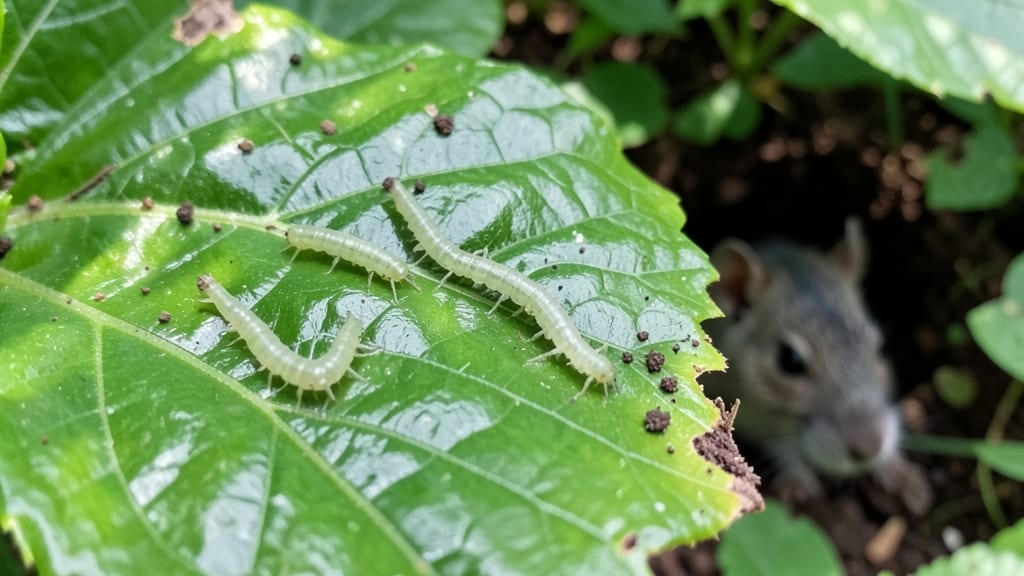
Hibiscus plant worms turn your lush foliage into a skeleton in days—those tiny green caterpillars are the last thing you want to spot on your prized hibiscus. 🌿 I’ve seen them strip entire bushes bare if you don’t act fast, and the key to saving your plant isn’t some fancy chemical spray but simple, organic tricks that work every time.
The damage starts with chewed leaves, then wilting branches, and if left unchecked, the worms can even attack the stems. Most people panic and grab the strongest pesticide, but that’s overkill—these pests respond to basic garden interventions like neem oil, handpicking, or even introducing natural predators.
The secret is catching them early before they spin into protective cocoons.
Within a week of treatment, you’ll see fresh green leaves re-emerging, and the worms will be gone without harming your plant or the local ecosystem. The best part?
These methods prevent future infestations too, so your hibiscus stays vibrant all season long. Let’s get those leaves back to their full glory.
Whether you’re dealing with hibiscus loopers, root-knot nematodes, or other wormy invaders, the same principles apply. The goal is to act fast, stay consistent, and keep your hibiscus thriving—naturally. Here’s how to do it right the first time.
Root Causes of Leaf Damage
When your hibiscus plant starts looking like a worm buffet, it’s usually due to a mix of environmental factors and pest behavior. Understanding why these tiny invaders target your plant is the first step to kicking them out for good.
Below, we break down the most common triggers—so you can address the real issues, not just the symptoms.
Worms and caterpillars love weak, stressed-out plants because they’re easier to overpower. Overcrowding, poor soil drainage, or nutrient deficiencies make hibiscus plants vulnerable. Here’s how it plays out:
- Competition for resources: When plants are too close, they fight for sunlight, water, and nutrients. Weakened leaves become a snack for hungry larvae.
- Root stress: Compacted or waterlogged soil restricts root growth, making the plant more susceptible to pest attacks.
- Nutrient deficiencies: Yellowing leaves (a sign of nitrogen or iron deficiency) signal the plant is struggling—and pests take advantage.
Actionable fix: Thin out overgrown plants, improve soil aeration with compost, and fertilize with a balanced organic mix (like fish emulsion or worm castings) to boost resilience.
Many hibiscus-worm species (like the hibiscus looper or tomato hornworm) follow predictable life cycles tied to weather and plant growth. Here’s why outbreaks spike:
| Season | Why Pests Strike | What’s Happening to Your Plant |
|---|---|---|
| Spring | Warmth triggers egg hatching. Adult moths lay eggs on new growth. | Fresh leaves are tender and irresistible to larvae. |
| Summer | High humidity creates ideal conditions for worm survival. | Explosive population growth—your plant becomes a worm hotel. |
| Fall | Mild temps extend the growing season for pests. | Late-season caterpillars target stressed plants prepping for winter. |
Actionable fix: Monitor your hibiscus weekly during peak seasons (spring to early fall). Use row covers or neem oil sprays as a preventive barrier.
Worms don’t just appear—they’re drawn to gardens that offer shelter, food, and breeding grounds. Here’s how messiness invites trouble:
- Debris buildup: Fallen leaves, mulch, and plant clippings create hiding spots for eggs and larvae.
- Weeds as pest magnets: Many worm species (like the hibiscus webworm) also feast on weeds, which act as a buffer zone before attacking your prized hibiscus.
- Stale water sources: Standing water in saucers or low spots attracts adult moths, which then lay eggs near your plants.
Actionable fix: Clear debris monthly, remove weeds within 3 feet of your hibiscus, and empty saucers after watering to eliminate standing water.
While pesticides might seem like a quick fix, they can disrupt the natural balance of your garden’s ecosystem. Here’s how:
- Killing natural predators: Birds, ladybugs, and parasitic wasps feed on worm eggs and larvae. Harsh chemicals wipe them out, leaving your hibiscus defenseless.
- Pest resistance: Over time, worms evolve to resist synthetic pesticides, making them harder to eliminate.
- Soil toxicity: Chemical residues weaken plant roots, making them more attractive to pests.
Actionable fix: Switch to organic solutions like Bacillus thuringiensis (Bt) or insecticidal soap. Encourage predator-friendly plants (like marigolds or dill) to attract beneficial insects.
Quick Fixes for Wormy Hibiscus
When those tiny leaf-eating pests invade your hibiscus, act fast—but don’t panic! With the right approach, you can restore your plant’s health without harsh chemicals. Below, we’ve mapped common causes to easy, organic solutions, plus prevention tips to keep your hibiscus thriving.
1.
Hand-Picking & Manual Removal Cause: Small worms (like hibiscus looper caterpillars or webworms) are visible on leaves or stems. Fix: 🔥 Gather your tools: Wear gloves, grab a small bowl of soapy water, and pick a sunny day. 👨🍳 Inspect closely: Shake leaves over a bucket to spot hidden pests—look under flowers and along stems. 🔪 Remove pests: Drop worms into soapy water (they’ll dissolve instantly) or crush them between fingers. ⏰ Frequency: Repeat every 2–3 days until no more worms appear.
💡 Pro Tip: Do this early in the morning when worms are sluggish and easier to spot.
2.
Neem Oil Spray for Organic Defense Cause: Worms return despite manual removal, or you spot new eggs/small larvae. Fix: 🌿 Mix the spray: Combine 1 tsp neem oil, 1 tsp mild liquid soap, and 1 quart water in a spray bottle. 🍳 Shake well: Neem oil separates, so agitate before each use. 🌧️ Apply thoroughly: Spray undersides of leaves, stems, and buds—worms hide there! ⏰ Reapply: Every 5–7 days for 2–3 weeks (neem is preventive, not instant).
✨ Bonus: Neem also deters future egg-laying. Test on one leaf first to check for sensitivity.
3.
Bacillus Thuringiensis (BT) – The Worm Killer Cause: Worms are tiny, hairy caterpillars (like hibiscus looper larvae) or sawfly larvae. Fix: 📊 Choose the right BT: Use BT var. kurstaki (for caterpillars) or BT var. israelensis (for sawfly larvae). 💪 Mix & spray: Follow package instructions (typically 1 tsp per gallon of water). 🌱 Target precisely: Focus on new growth and worm hotspots—BT is stomach-acting (worms must eat it). ⏰ Speed matters: Works in 4–24 hours; reapply after rain.
🔥 Warning: BT is safe for humans/pets but kill beneficial insects like bees. Spray early morning or late evening.
4.
Diatomaceous Earth (DE) Barrier Cause: Worms are crawling but not yet in egg stage, or you want a long-term deterrent. Fix: 🏗️ Apply DE lightly: Dust food-grade DE on soil surface (not directly on leaves—it can harm them). 🌡️ Reapply after rain: DE loses effectiveness when wet. 🛡️ Prevents movement: Worms get microscopic cuts from DE and dehydrate.
🎯 Best for: Prevention in early spring before worms appear.
5.
Beneficial Nematodes for Underground Pests Cause: Worms (like hibiscus root borers) are damaging roots or stems (check for sawdust-like frass or wilting). Fix: 🐛 Buy nematodes: Get Steinernema carpocapsae or Heterorhabditis bacteriophora (sold online or at garden centers). 💦 Apply at dusk: Mix with water and soak root zone (follow package rates). 🌱 Water deeply: Nematodes need moist soil to seek out pests.
✨ Nematodes paralyze and kill worms in 24–48 hours—no chemicals needed!
Once you’ve tackled the infestation, stop it from coming back with these habits:
- 🌿 Prune regularly: Remove damaged leaves and fallen debris (worms love hiding there).
- 🌞 Encourage predators: Attract ladybugs, lacewings, and birds with nearby plants like dill, fennel, or marigolds.
- 🌧️ Water wisely: Avoid overhead watering (keeps leaves damp, inviting worms).
- 🕷️ Check often: Inspect your hibiscus weekly—early action = easier fixes!
- 🌱 Healthy soil = strong plants: Use compost and balanced fertilizer to boost hibiscus resilience.
Final Thought: Worms may seem like a nightmare, but with neem oil, BT, or nematodes, you can save your hibiscus naturally. Stay vigilant, and your plant will bounce back stronger than ever! 🌸
Frequently asked questions
What kind of worms attack hibiscus plants?
The most common culprits are hibiscus loopers (green caterpillars that curl leaves) and webworms (tiny, hairy larvae that spin silk webs). Root-knot nematodes also target hibiscus roots, causing wilting even when soil appears moist. Always check both leaves and soil for signs of damage.
Can I use regular soap to kill hibiscus worms?
Yes! Mix 1 tablespoon mild liquid soap with 1 quart water in a spray bottle and apply directly to worms. The soap disrupts their protective coating, causing dehydration. Reapply every 3-4 days until the infestation clears. Just avoid harsh detergents—they can harm your plant.
How do I know if my hibiscus has root-knot nematodes?
Look for galls (lumpy roots), stunted growth, or yellowing leaves despite proper care. Dig up a small section of root and check for swollen knots along the roots. If found, treat with beneficial nematodes or solarize the soil in hot months to kill them naturally.
Will neem oil harm my hibiscus if used too often?
Neem oil is safe when used correctly, but apply it no more than every 5-7 days. Always do a patch test on one leaf first—some hibiscus varieties may show slight yellowing. For heavy infestations, combine with hand-picking for faster results.
Can I save my hibiscus if it's already severely defoliated?
Yes! Prune back damaged leaves to reduce stress, then focus on root health with compost and nematodes. New growth will emerge within 2-3 weeks if the roots are intact. Just avoid fertilizing until you see fresh leaves—it can stress the plant further.