
Diseases
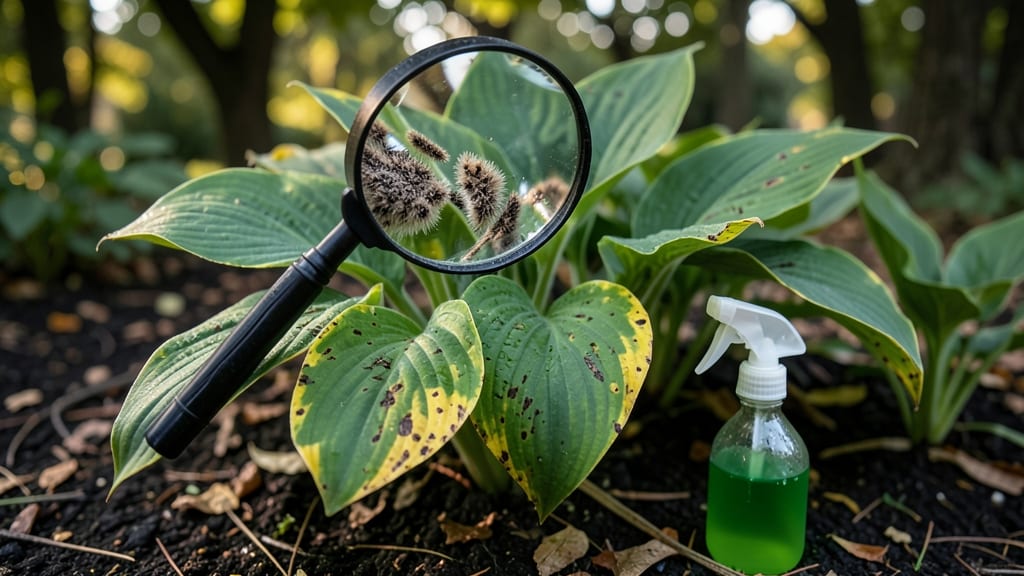
Hosta plant diseases can turn those lush, shade-loving stars into sad, spotted messes in weeks—if you don’t catch them early. 🌿 I’ve seen healthy hostas go from vibrant to wilted in just a few weeks when fungal infections take hold, but there’s a way to stop them before they spread.
The key is spotting the right symptoms fast, whether it’s those telltale brown spots or slimy leaf edges.
Most of these diseases start with too much moisture or poor air circulation—common problems in shady gardens. Overcrowded plants, thick mulch, or watering at night create the perfect breeding ground for fungi.
The good news? Organic remedies like neem oil, copper fungicide, or even a simple baking soda spray can turn things around if you act before the disease spreads to neighboring plants.
You’ll learn to recognize the 7 most aggressive fungal foes, from leaf spot to crown rot, and how to treat them without harsh chemicals. Early intervention means your hostas stay thick, green, and thriving—no more brown patches or wilted leaves ruining your shade garden’s beauty.
Whether you’re dealing with a single infected leaf or an entire bed under siege, these strategies work. Let’s get your hostas back to their best before the next downpour turns them into a fungal buffet.
Root Causes Behind Hosta Ailments
Hostas are prized for their lush foliage and adaptability, but their susceptibility to diseases often stems from specific environmental and biological triggers. Understanding these root causes helps gardeners take proactive steps to protect their plants. Let’s break down the why behind the most common fungal issues affecting hostas.
Fungi thrive in excess moisture, and hostas—especially those planted in dense, clay-heavy soils—are prone to root rot and leaf spot diseases like Botrytis or Rhizoctonia. Here’s why this happens:
- Waterlogged soil cuts off oxygen to roots, weakening the plant’s defenses. Fungal spores, which lie dormant in soil, germinate when moisture levels rise above 20-30% for prolonged periods. - Slow-draining areas (e.g., low spots in gardens or containers without drainage holes) trap water, creating ideal fungal breeding grounds.
Even well-draining soils can become problematic if overwatered or if rainfall is frequent without breaks for evaporation. - Fungal spores (e.g., Phytophthora, a water mold) spread via splashing water, infecting leaves and stems when humidity stays above 70% for days.
Actionable fix: Amend soil with compost or perlite to improve aeration, and ensure hostas are planted on mounds or in raised beds to encourage runoff.
Hostas encounter fungal pathogens from multiple sources, including:
- Infected plant debris (e.g., fallen leaves, old mulch) harboring spores from previous seasons. Alternaria and Septoria leaf spots often overwinter in organic matter.
- Contaminated tools or hands spreading spores from one plant to another during pruning or division.
- Wind or splashing rain dispersing spores from nearby infected plants (e.g., lilies, daylilies, or other perennials).
Key trigger: Spores only infect when conditions are right—warm temps (60–80°F), high humidity, and leaf wetness. For example, Powdery mildew (Erysiphe) spreads explosively in shady, humid gardens where airflow is restricted.
Actionable fix: Remove and dispose of (not compost) infected foliage in fall, and sterilize tools with 70% isopropyl alcohol or a 10% bleach solution.
Hostas under stress (nutritional, physical, or environmental) have weakened cell walls, making them easier targets for fungi.
Common stressors include: - Nutrient deficiencies (e.g., low nitrogen or potassium) reduce chlorophyll production, making leaves less resilient to pathogens like Anthracnose. - Physical damage from hail, pests (e.g., slugs, deer), or improper pruning creates entry points for fungi. - Extreme heat or cold shocks the plant, suppressing its immune response.
For instance, Fusarium wilt thrives when hostas are heat-stressed in summer.
Actionable fix: Use balanced fertilizer (e.g., 10-10-10) in early spring, mulch to regulate soil temp, and avoid pruning during wet weather.
Some pests don’t just feed on hostas—they pave the way for fungal infections.
For example: - Slugs and snails leave slime trails that harbor Botrytis spores, while their feeding wounds invite secondary infections. - Japanese beetles defoliate hostas, stressing the plant and opening doors for Septoria leaf spot. - Root-feeding grubs (e.g., chafer larvae) damage roots, making hostas vulnerable to Phytophthora root rot.
Actionable fix: Use copper barriers for slugs, handpick beetles, and apply beneficial nematodes (Phasmarhabditis hermaphrodita) to target grubs in soil.
Fungi love stagnant air.
When hostas are planted too closely together or surrounded by broadleaf plants (e.g., ferns, astilbes), airflow is restricted, leading to: - Longer leaf wetness periods, extending the window for spores to germinate. - Higher humidity in the plant canopy, perfect for powdery mildew or downy mildew (Peronospora). - Shaded, damp microclimates where Rhizoctonia (a soil-borne fungus) spreads via stolons (underground stems).
Actionable fix: Space hostas 18–24 inches apart, avoid mulching too deeply (keep 2–3 inches of clearance), and prune surrounding plants to improve airflow.
Buying hostas from unreputable nurseries or dividing infected clumps can introduce pathogens directly into your garden.
Common culprits: - Root rot pathogens (Phytophthora, Pythium) hidden in diseased tubers or soil. - Viral or bacterial hitchhikers (e.g., Xanthomonas bacterial leaf blight) carried on contaminated tools or plants. - Weak nursery stock with pre-existing stress, making them more susceptible to fungal takeovers.
Actionable fix: Purchase from certified disease-free nurseries, inspect plants for lesions before buying, and quarantine new additions for 2–3 weeks.
Fixing Fungal Foes in Hostas
Now that you’ve identified the problem, let’s tackle it head-on! Hostas are resilient, but fungal diseases like leaf spot, powdery mildew, and rust thrive in damp, shaded conditions. The good news? With the right approach, you can reverse the damage, save your plants, and prevent future outbreaks.
Below are practical, step-by-step solutions tailored to each fungal foe—plus prevention tips to keep your hostas thriving.
Problem: Fungal spores spread like wildfire when left on the plant. Fix:
- Snip it out! 🔪 Use sterilized pruners (wipe with rubbing alcohol) to cut off infected leaves at the base—don’t just pluck them. Toss the clippings in the trash (not compost) to prevent reinfection.
- Wear gloves to avoid spreading spores to healthy leaves.
- Repeat weekly until new growth is fully disease-free.
Pro Tip: 💡 If the disease is severe (e.g., slime mold or crown rot), remove entire infected plants and disinfect the soil with a 1:10 bleach-water mix before replanting.
Problem: Some fungi are stubborn—chemical or natural fungicides can be a game-changer. Fix:
| Disease | Recommended Treatment | How to Apply |
|---|---|---|
| Powdery Mildew | Neem oil (1 tsp/gallon water) or baking soda spray (1 tbsp baking soda + 1 tsp soap + 1 gallon water) | Spray early morning/evening (avoid direct sun). Reapply every 7–10 days. |
| Leaf Spot | Copper fungicide (e.g., Bordeaux mix) or organic option: potassium bicarbonate (1 tbsp/gallon water) | Apply when leaves are dry and rain is forecasted (it washes off quickly). |
| Rust | Sulfur-based fungicide (follow label rates) or hydrogen peroxide spray (1 tbsp 3% H₂O₂ per quart water) | Spray undersides of leaves (rust loves shade!). Repeat every 2 weeks. |
| Slime Mold | No fungicide needed—just hose it off with water! | Use a gentle spray to dislodge spores. Improve airflow afterward. |
Pro Tip: 🌡️ Timing is everything! Apply fungicides preventatively in spring (before spores spread) and after rain to create a protective barrier.
Problem: Weak hostas are prime targets for fungi. Strengthen their defenses! Fix:
- Improve drainage 💦: Ensure pots or garden beds have sandy loam or add perlite/compost to heavy clay soil. Never let hostas sit in soggy soil—they rot faster than they fight disease.
- Space plants properly ➡️: Crowded hostas = poor airflow = fungal paradise. Aim for 18–24 inches between plants.
- Feed with compost or balanced fertilizer (10-10-10) in early spring to encourage thick, disease-resistant foliage.
- Water at the base 🌱: Avoid wetting leaves (use drip irrigation or soaker hoses). Water early morning so leaves dry by noon.
Pro Tip: ✨ Companion planting helps! Surround hostas with garlic, chives, or thyme—their antifungal properties deter spores.
Problem: Fungi love recurring. Break the cycle! Fix:
- Clean up debris 🧹: Rake and remove old leaves in fall (fungi hibernate in them!).
- Rotate crops 🌱: If possible, don’t replant hostas in the same spot for 3+ years to starve soil-borne fungi.
- Prune for airflow 🌿: Trim back overgrown foliage to improve circulation.
- Mulch wisely 🍂: Use straw or shredded leaves (not wood chips, which retain moisture).
- Monitor humidity 🌡️: If your area is damp, consider a small fan on low near hostas in containers.
Final Thought: Most hosta diseases are manageable with early action—don’t wait until leaves look like Swiss cheese! Act fast, strengthen your plants, and soon you’ll have lush, disease-free foliage that’s the envy of the neighborhood. 🌿✨
Frequently asked questions about hosta plant diseases
What are the first signs of fungal infections in hostas?
Look for small brown or black spots with yellow halos on leaves, powdery white patches (powdery mildew), or orange rust-colored pustules (rust fungus). Early symptoms often appear on older leaves first. If you see slimy leaf edges or blackened stems, it’s likely crown rot—act fast to save the plant.
Can I save a hosta with severe leaf spot damage?
Yes, but you’ll need to prune aggressively—cut off all infected leaves at the base with sterilized tools. Apply a copper fungicide or neem oil spray every 7–10 days for 4–6 weeks. Improve airflow by spacing plants 18–24 inches apart and avoid overhead watering.
Why does my hosta get diseases every year in the same spot?
Fungal spores often overwinter in soil or old mulch from previous seasons. To break the cycle, remove all plant debris in fall, rotate crops (don’t replant hostas in the same spot for 3+ years), and sterilize soil with a 1:10 bleach-water mix before replanting.
Is baking soda really effective for treating powdery mildew on hostas?
Mix 1 tablespoon baking soda + 1 teaspoon mild soap in 1 gallon water and spray early morning/evening (avoid direct sun). Reapply every 7–10 days until new growth appears. The soap helps the solution stick to leaves, while baking soda raises the leaf’s pH, making it inhospitable to fungi.
How do I know if my hosta has a bacterial infection instead of a fungal one?
Bacterial infections (like Xanthomonas leaf blight) often cause water-soaked, yellow-brown spots with greasy edges that ooze when pressed. Unlike fungi, bacteria spread fast in warm, wet conditions and rarely form spores. Copper fungicides won’t work—use a bacterial-specific spray (e.g., Copper Hydroxide) and remove infected plants immediately.