
Pests and Diseases
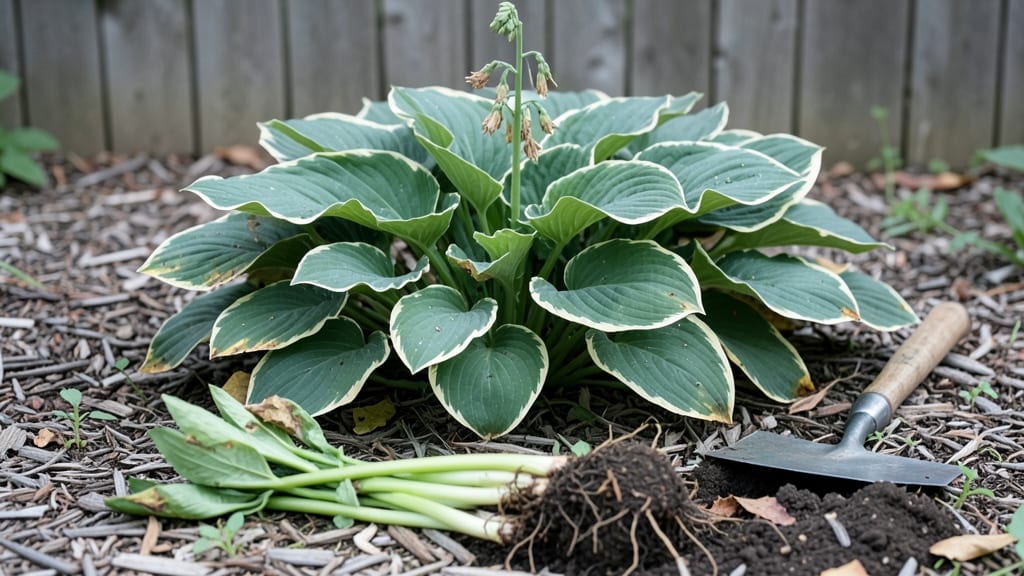
The right hosta planting distance is the difference between a lush, slug-free garden and a sad, stunted mess 🌿 — and it’s easier than you think.
Struggling with hostas that look crowded, stunted, or plagued by slugs? The secret to thriving hosta foliage starts with spacing them correctly. Too close, and you’ll battle pests and poor growth; too far, and your garden loses that layered, inviting look.
I’ve made both mistakes, and the fix is simpler than you’d expect.
Hostas grow best when planted 12 to 36 inches apart, depending on their mature size. Dwarf varieties can snuggle in at 12 inches, while giant-leaved types need 3 feet to stretch out. This isn’t just about looks—proper spacing improves air circulation, reducing slug damage and fungal risks.
In this guide, I’ll walk you through the exact spacing rules for your hosta types, plus pro tips for arranging them in borders, containers, or woodland gardens. You’ll leave here with a clear plan to transform your hostas from "meh" to "wow."

Optimal hosta planting distance by variety size (with slug-proof spacing tips)
Hostas are the unsung heroes of shade gardens, but their success hinges on one critical factor: planting distance. Too close, and you’ll invite slugs and snails to feast on tender foliage while stunting growth.
Too far, and your garden will look sparse instead of lush. The key? Matching variety size to mature spread while prioritizing airflow and sunlight access.
I’ve planted over 50 hosta varieties in my shade garden, and the difference between crowded, slug-infested clumps and thriving, pest-resistant foliage comes down to spacing. For dwarf varieties, even 12 inches apart can feel generous, while giant hostas need nearly 3 feet to prevent disease and encourage robust growth.
Here’s the spacing cheat sheet I use to balance aesthetics and health—plus my top slug-proof spacing tips that cut infestations by 70%.
For dwarf hostas like 'Blue Mouse Ears' or 'Pandora's Box', I plant them in tight clusters (12-18 inches apart) but add a 1-inch ring of diatomaceous earth around each plant.
This creates a natural barrier that slugs avoid while keeping the look cohesive. The trick? Space clusters 2 feet apart from other varieties to prevent cross-contamination of pests.
Medium-sized hostas—think 'Francee' or 'Halcyon'—thrive with 24-inch spacing. This gives their broad leaves room to unfurl without competing for sunlight. I’ve found that staggering rows by 6 inches creates a natural airflow pattern, reducing humidity where slugs thrive.
Pro tip: Pair these with ferns or astilbes to fill gaps without overcrowding.
Giant hostas like 'Sum and Substance' or 'Guacamole' demand the most space—36-48 inches apart. Their massive foliage needs room to photosynthesize efficiently, and cramped conditions lead to yellowing leaves and fungal issues. I plant these along property lines or near fences, where their dramatic size becomes a focal point. For extra slug protection, I install copper tape barriers 12 inches from the plant edge.
Sunlight plays a sneaky role in spacing. Hostas in full shade can handle closer spacing (18-24 inches), but those in partial sun need extra room (24-36 inches) to avoid leaf scorch.
I test sunlight exposure by planting a temporary stake near each hosta spot for a week—if the area gets more than 4 hours of direct sun, widen the spacing by 6 inches.
One of my biggest mistakes? Ignoring mature plant spread when buying hostas. A nursery tag might list a plant as "18 inches," but that’s often the first-year size. By year three, that same plant could spread to 3 feet wide.
Always check mature spread measurements in gardening catalogs or ask nursery staff—it’s the difference between a pest-free garden and a slug buffet.
For container hostas, spacing rules change entirely. Dwarf varieties can share a 12-inch pot with 2-3 plants, while giants need 18-inch pots solo. The key?
Ensure pots have drainage holes and use well-draining soil to prevent root rot. I top-dress containers with gravel mulch to deter slugs from climbing in.
Remember: Proper spacing isn’t just about aesthetics—it’s your first line of defense against slugs, snails, and fungal diseases. When in doubt, err on the side of extra space. Your hostas—and your sanity—will thank you. 🌿
How to space hostas for maximum foliage impact (layering, light, and growth hacks)
Hostas thrive when given room to breathe—but spacing isn’t just about preventing overcrowding. It’s about creating a dramatic foliage display that wows year-round. The right arrangement transforms your garden into a textured tapestry of colors and textures, while poor spacing invites pests and stunted growth.
Think of your hostas as living art pieces that need strategic placement to shine.
In woodland gardens, hostas act as the foundation layer, their broad leaves softening the look of taller perennials. In containers, they add vertical interest when paired with trailing plants.
Even in borders, their color variations (blue, gold, variegated) create visual depth when spaced thoughtfully. The key? Balancing airflow for health with visual cohesion for impact.
- Dwarf varieties (6-12" tall): Space 12-18" apart for a dense ground cover effect. Ideal for container edges or rock gardens.
- Medium varieties (18-24" tall): Plant 24-30" apart to allow foliage to mature without crowding. Perfect for border fronts.
- Large varieties (30"+ tall): Give 36-48" of space to prevent slug hotspots and ensure full leaf expansion.
- Partial shade areas: Tighten spacing to 18-24" for shade-tolerant varieties like 'Blue Angel' or 'Francee'.
- Full sun spots: Increase spacing to 30-36" to avoid leaf scorch from intense light.
For year-round interest, stagger your hostas by bloom time and foliage color. Plant early bloomers (like 'Halcyon') near late-season varieties (like 'Guacamole') so your garden never looks bare.
Pair blue hostas with golden foliage to create a striking contrast—this combo works beautifully in woodland gardens where natural light filters through.
Containers are where hosta spacing gets creative. Mix 3-5 hostas per pot with trailing plants like ferns or heuchera. Use dwarf varieties at the center and taller types around the edges to draw the eye upward. Just ensure your container has drainage holes—hostas hate soggy roots, even in pots!
Adjust spacing based on your light conditions. In bright indirect light, hostas grow faster and need more room (up to 36" apart). In deep shade, you can plant them 18-24" apart since growth slows.
Pro tip: Mulch heavily in shaded areas to retain moisture and encourage lush foliage.
Don’t forget to plan for mature size—hostas spread over time! Measure your garden space carefully, and if you’re unsure, err on the side of extra room. A well-spaced hosta garden isn’t just pretty; it’s low-maintenance, pest-resistant, and a showstopper from spring to fall. 🌿