
Plants
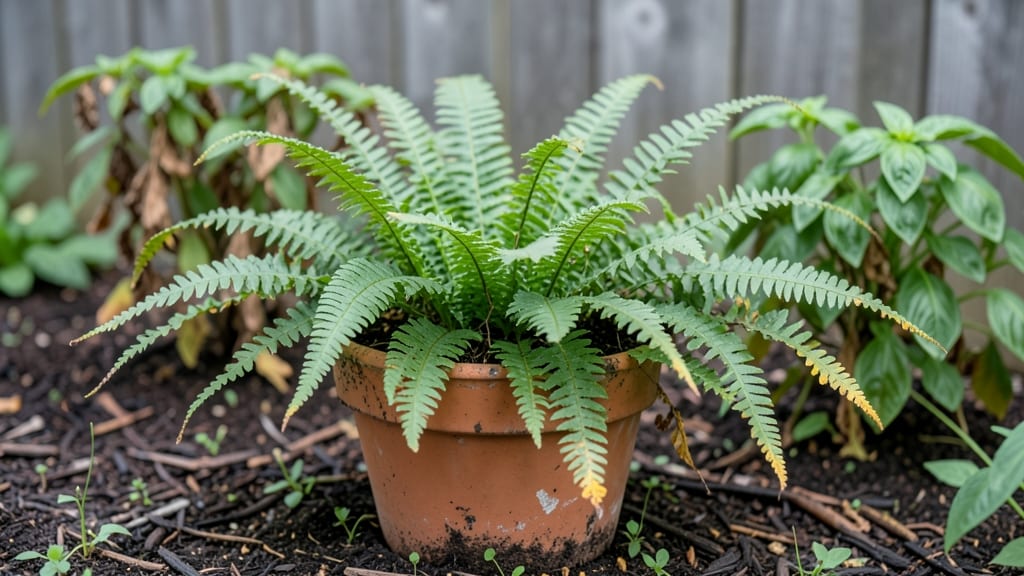
House plant fungus turns lush green leaves into a sad, spotted mess overnight. I’ve nursed back monstera vines and ferns with black spots by following a simple three-step process—no fancy tools needed. The key is acting fast before the fungus spreads like wildfire.
Most fungus shows up because plants get too much love—waterlogged soil, stagnant air, or crowded pots. I learned the hard way when my pothos developed powdery gray mold after a week of heavy rain sitting on the windowsill.
The fix? Trim the infected leaves, improve airflow, and adjust watering habits. It’s not rocket science, but it does take vigilance.
Within days, you’ll see fresh growth pushing through as the plant recovers its vigor. The leaves go from limp and splotchy to glossy and thriving again.
The best part? Once you’ve cleared the fungus, keeping it from returning is easier than you think—just a few simple tweaks to your care routine.
This method works for nearly any common houseplant, from ferns to snake plants. The secret is consistency: monitor, adjust, and repeat until your plants bounce back stronger than before. Let’s get those leaves looking healthy again.
Root Causes Of Plant Fungus
Fungal infections in houseplants don’t just appear out of nowhere—they’re usually the result of specific conditions that give spores the perfect opportunity to thrive. Understanding these triggers is the first step to prevention and recovery.
Let’s break down the three primary causes of fungal growth in your leafy friends, backed by science and actionable insights.
Fungi love moisture—way too much of it. When soil stays soggy for days, it creates an anaerobic (oxygen-poor) environment where fungal spores wake up, multiply, and feast on decaying organic matter.
The most common culprits here are root rot fungi like Phytophthora and Pythium, which thrive in waterlogged conditions.
Why it happens:
- Poor drainage: Pots without drainage holes trap excess water, suffocating roots and inviting fungi.
- Overzealous watering: Many plant owners water on a schedule rather than checking soil moisture, leading to chronic dampness.
- Compacted or heavy soil: Clay or peat-based mixes hold moisture longer, delaying evaporation.
💡 Pro Tip: Stick your finger 1-2 inches into the soil before watering. If it’s damp, wait. If it’s bone-dry, water deeply—but let excess drain away within 30 minutes.
Fungi don’t just need moisture—they also need still, humid air to disperse their spores. Crowded plants, cramped spaces, or stagnant air (like in a closed terrarium without ventilation) create the ideal fungal greenhouse.
Why it happens:
- Plants too close together: Leaves brush against each other, spreading spores like a fungal game of telephone.
- Low humidity without airflow: High humidity (above 70%) without circulation gives fungi a breeding ground.
- Dusty or dirty leaves: Dust blocks stomata (leaf pores), trapping moisture and creating micro-environments for fungal growth.
✨ Actionable Fix: Space plants 2-3 inches apart, use a small fan on low setting near them, or mist leaves in the morning (when they can dry quickly).
A healthy plant fights off fungi naturally, but stress—whether from nutrient deficiencies, pests, or sudden environmental changes—weakens its immune system. Fungi like Botrytis (gray mold) and Powdery Mildew exploit these vulnerabilities.
Why it happens:
- Nutrient imbalances: Too much nitrogen (common in synthetic fertilizers) promotes lush but weak growth, while deficiencies (like magnesium) make leaves brittle and prone to infection.
- Pest damage: Chewing insects (like spider mites) create open wounds where fungi can enter.
- Temperature shocks: Moving plants from cold drafts to hot sun (or vice versa) stresses them, lowering resistance.
🔥 Prevention Hack: Feed plants with a balanced, organic fertilizer (like worm castings) and quarantine new plants for 2 weeks to monitor for pests or early fungal signs.
Key Takeaway: Fungal infections are rarely random—they’re a sign your plant’s environment is off-balance. By addressing overwatering, airflow, and stress, you’re not just treating symptoms—you’re fixing the root causes. Next up: How to Rescue Your Plant in 3 Steps!
Quick Fixes for Fungal Woes
Fungal infections in houseplants can feel like a silent killer—one day your leaves look lush, the next they’re spotted, wilting, or covered in fuzzy growth. But don’t panic! With the right steps, you can revive your plants and stop the spread.
Below, we’ve mapped out practical solutions for common fungal issues, from powdery mildew to root rot, plus prevention tips to keep your green friends thriving.
Signs: Yellowing leaves, mushy stems, foul smell at the base, or black/fuzzy growth on soil.
How to Fix It:
- 🔥 Stop Watering Immediately
- Let the soil dry out completely before touching it again. Stick your finger in the soil—if it’s damp past 1–2 inches, wait.
- 👨🍳 Trim the Damage
- Use sterilized scissors (wipe with rubbing alcohol) to cut off:
- Black, mushy roots.
- Yellow/brown leaves or stems.
- Snip 1 inch below the affected area to ensure you remove all infected tissue.
- Use sterilized scissors (wipe with rubbing alcohol) to cut off:
- 🌡️ Repot in Fresh Soil
- Choose a clean pot (scrub old pots with soapy water and bleach).
- Use a well-draining mix (add perlite, orchid bark, or sand if your soil is heavy).
- Pro Tip: Add a handful of fungicide granules (like Mycorrhizal fungi or copper-based treatments) to the new soil for extra protection.
- ⏰ Revive with Care
- Place the plant in bright, indirect light (no direct sun yet).
- Water only when the top 2 inches of soil are bone-dry.
- Mist lightly once a week to encourage recovery (but avoid soggy leaves).
Prevent It:
- ✨ Use pots with drainage holes—no exceptions!
- 💡 Water in the morning so excess drains out overnight.
- 🎯 Test soil moisture with a moisture meter or your finger before watering.
Signs: White powdery coating, brown/black spots, or yellowing leaves (common in succulents, ferns, and tropicals).
How to Fix It:
- 🔪 Isolate the Plant
- Move it away from other plants to prevent cross-contamination.
- 🍳 Wash the Leaves
- Spray leaves with a 1:10 hydrogen peroxide solution (3% food-grade H₂O₂ + water) or neem oil spray (1 tsp neem oil + 1 tsp mild soap + 1 quart water).
- Alternative: Wipe leaves with a damp microfiber cloth (use distilled water to avoid mineral buildup).
- 🌡️ Boost Airflow
- Fungus thrives in humidity. Use a small fan (on low) near the plant for 10–15 mins/day.
- Pro Tip: Group plants with 3–4 inches of space between them for better airflow.
- 🔥 Apply Fungicide (If Needed)
- For severe cases, use a copper fungicide or baking soda spray (1 tsp baking soda + 1 quart water + a drop of soap).
- Reapply every 7–10 days until new growth appears.
Prevent It:
- 💡 Avoid overhead watering—water at the base instead.
- 🌡️ Reduce humidity around plants (use a dehumidifier or open windows).
- ✨ Rotate plants weekly for even light exposure (prevents stress spots).
Signs: Soft, discolored stems, moldy buds, or wilting despite dry soil.
How to Fix It:
- 🔪 Prune Aggressively
- Cut below the rotten area (healthy tissue is firm and green).
- If the stem is hollow or mushy, the plant may not recover—consider propagation.
- 🌱 Propagate Healthy Cuttings
- Dip cuttings in cinnamon powder (natural antifungal) or rooting hormone.
- Plant in sterile potting mix and keep in bright, indirect light.
- 🍳 Disinfect Everything
- Wipe tools with rubbing alcohol.
- Replace old soil and pots to avoid reinfection.
Prevent It:
- 💡 Water early in the day so stems dry quickly.
- 🎯 Avoid wet foliage—use a watering can with a narrow spout.
- ✨ Choose disease-resistant varieties (e.g., snake plants, ZZ plants, or spider plants).
Final Reminder: Fungal issues are manageable—the key is acting fast and adjusting care habits. Once your plant recovers, it’ll bounce back stronger! For stubborn cases, consult a local nursery for plant-safe fungicides. 🌿✨
Frequently asked questions
What are the first signs my houseplant has fungus?
Watch for white powdery coatings (like flour dust), black or brown spots on leaves, or yellowing/wilting despite dry soil. Root rot shows as mushy stems or a foul smell at the base. Act fast—fungus spreads quickly when ignored!
Can I save a plant with severe fungal infection?
Yes, but only if you act immediately! Prune infected areas with sterilized scissors, repot in fresh, well-draining soil, and adjust care (like reducing humidity). For stubborn cases, propagate healthy cuttings—some plants may not recover fully but can regrow from clean stems.
Is hydrogen peroxide safe for all houseplants?
Most plants tolerate a 1:10 dilution (3% food-grade H₂O₂ + water), but avoid succulents or sensitive varieties like orchids. Always test on a small leaf first. For extra safety, use neem oil spray (1 tsp oil + 1 tsp soap + 1 quart water) instead.
How often should I check my plants for fungus?
Inspect leaves and soil every 2 weeks, especially after repotting or during humid seasons. Focus on undersides of leaves (where spores hide) and the soil surface. Early detection means easier fixes—think of it like a quick plant health checkup!
Will fungus kill my plant if I ignore it?
Not always, but it can weaken your plant severely. Fungi like root rot or Botrytis spread fast, blocking nutrients and causing irreversible damage. Some plants (like ferns or monstera) may recover with treatment, while others (like succulents) often decline. Prevention is always easier than recovery!