Container Gardens
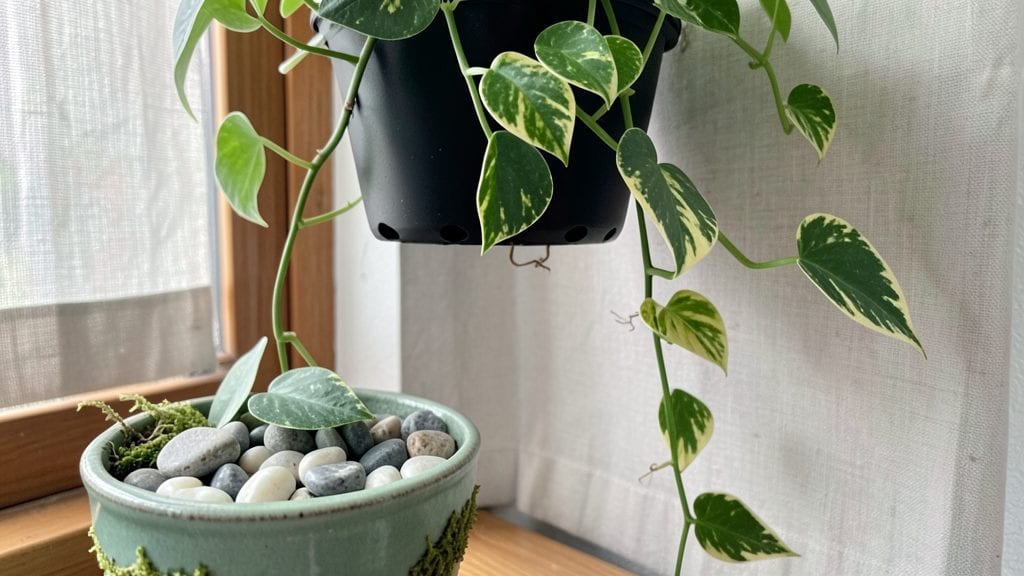
House plants containers aren’t just functional—they’re the secret weapon for turning any room into a lush, Instagram-worthy sanctuary. 🌿 I’ve filled my apartment with everything from woven macramé hangers to sleek ceramic pots, and the right container can make even the smallest plant feel like a statement piece.
The key is matching your plant’s needs with the pot’s style: terracotta for breathable roots, glossy ceramic for humidity-loving varieties, or woven baskets for trailing vines that spill over edges.
Size matters more than you’d think—too big and your soil stays soggy, too small and roots get cramped. I’ve learned that most houseplants thrive in containers 1-2 inches wider than their root ball, with drainage holes that prevent root rot.
And don’t overlook the drama of height: tiered shelves or hanging planters create vertical layers that make a room feel instantly more dynamic, especially in tight spaces like apartments or sunrooms.
What you end up with is a collection that reflects your personality—whether that’s boho rattan baskets, minimalist white planters, or tropical-inspired ceramic pieces with bold patterns. The best part?
You can mix and match without breaking the bank, using thrifted containers or even repurposed items like vintage teacups (just add a saucer!). The right setup doesn’t just hold your plants—it turns them into the room’s focal point.
Here’s the thing—once you start playing with containers, you’ll notice how much easier it is to rotate plants for even growth, group them by care needs, and create cohesive displays.
And yes, I’ve killed a few plants experimenting, but the lessons stuck. Let’s make your houseplants look as good as they grow!
Root Problems In Plant Pots
When it comes to houseplant containers, the wrong setup can turn your lush green friends into wilting sad sacks—fast. But why does this happen? Most issues boil down to a few key factors: drainage woes, material mismatches, and size blunders.
Let’s dig into the science (and soil) behind these common culprits so you can keep your plants thriving.
💧 Why it happens: Waterlogged roots are the silent killer of houseplants. If your container lacks drainage holes or uses dense materials (like solid plastic or glazed ceramic), excess moisture can’t escape.
Over time, this creates an anaerobic environment where roots suffocate, leading to root rot—a fungal infection that cuts off oxygen and nutrients.
🔬 The science: Plants rely on aeration in the soil to absorb oxygen through their roots. Without it, beneficial microbes die off, and harmful bacteria thrive. Even "self-watering" containers can backfire if they don’t include a way for excess water to bypass the reservoir.
💡 Actionable fix:
- Always choose containers with drainage holes (or drill them yourself for non-porous pots).
- Use a well-draining potting mix (avoid garden soil—it compacts and holds too much water).
- Add a layer of gravel or perlite at the bottom to improve airflow.
🏺 Why it happens: Not all containers breathe the same. Materials like plastic retain moisture longer, while terracotta dries out faster. Even "eco-friendly" options (like coconut fiber pots) can degrade too quickly, leaching chemicals into the soil. If the material doesn’t suit your plant’s needs, you’ll end up over- or under-watering—both deadly.
🔬 The science: Porosity is key. Terracotta, for example, is evaporative—it wicks moisture through its walls, keeping roots cooler and drier. Plastic, on the other hand, acts like a greenhouse, trapping heat and humidity. Some plants (like ferns) thrive in this environment, while others (like succulents) will rot.
💡 Actionable fix:
- Match the material to your plant:
- Succulents/snakes plants: Choose terracotta or ceramic (unglazed).
- Tropical plants (e.g., pothos, monstera): Opt for plastic or fabric pots (retains moisture).
- Delicate roots (e.g., orchids, air plants): Use bark or slotted containers for airflow.
- Avoid metal containers unless lined with plastic—they conduct heat and can scorch roots.
📏 Why it happens: A pot that’s too big or too small throws off a plant’s balance. If the container is oversized, water sits in unused soil, promoting rot. If it’s too small, roots become root-bound, stunting growth and making the plant prone to toppling or nutrient deficiency.
🔬 The science: Roots need space to explore but also soil to hold moisture and nutrients. The ideal pot should be 1–2 inches larger in diameter than the plant’s root ball.
For most houseplants, this means upgrading containers every 1–2 years. Over-potting also disrupts the root-to-soil ratio, leading to nutrient dilution.
💡 Actionable fix:
- Follow the "1-inch rule": For every inch of plant height, the pot should be about 1 inch in diameter (e.g., a 6-inch-tall snake plant needs a 6–8 inch pot).
- Use fabric grow bags for root-bound plants—they allow roots to breathe while encouraging natural growth patterns.
- If repotting, refresh the soil to avoid compacting old, depleted nutrients.
🌱 Pro tip: When in doubt, lift the pot—if it feels heavy with soil, the roots are likely happy. If it’s light, it’s time to upgrade!
Fixing Common Container Plant Issues
Even the most stylish plant containers can turn into a headache if your greenery isn’t thriving. Don’t let overwatering, poor drainage, or pests ruin your indoor jungle—here’s how to diagnose and fix the most common problems, plus tips to keep your plants happy long-term.
Signs: Yellowing leaves, mushy stems, wilting despite water, or dry, crispy edges.
How to Fix It:
- 🔥 Check the Soil First: Stick your finger 1–2 inches into the soil. If it’s damp, wait. If dry, water thoroughly until it drains from the bottom.
- ⏰ Adjust Your Watering Schedule: Most houseplants prefer soil to dry out slightly between waterings. Use a moisture meter for accuracy.
- 🌡️ Upgrade Your Containers: If water pools at the bottom, switch to pots with drainage holes or add a layer of pebbles for better airflow.
- 🥗 Drainage Fix: If your container has no holes, poke a few with a nail or drill (for ceramic/plastic). For decorative outer pots, use cache pots with drainage.
Prevention Tips: ✔ Group plants with similar needs (e.g., succulents vs. ferns) to streamline care. ✔ Water in the morning so excess moisture evaporates by evening. ✔ Use self-watering containers for forgetful plant parents.
Signs: Roots circling the bottom, slow growth, or soil drying out too fast.
How to Fix It:
- 🍳 Repot Strategically: Gently remove the plant, loosen tangled roots, and transfer to a container 1–2 inches larger with fresh potting mix.
- 👨🍳 Choose the Right Mix: Use a well-draining blend (e.g., cactus mix for succulents, peat-based for ferns).
- ✨ Boost Nutrients: Add a slow-release fertilizer or compost to revitalize soil.
Prevention Tips: ✔ Repot every 1–2 years (or when roots outgrow the pot). ✔ Opt for modular containers with removable liners for easy root checks. ✔ Fertilize lightly in growing seasons (spring–fall) to avoid overfeeding.
Signs: Tiny webs, white cottony spots, or gnats hovering near soil.
How to Fix It:
- 🔪 Isolate Infested Plants to prevent spread.
- 🍎 Treat Naturally:
- Spider mites/mealybugs: Wipe leaves with soapy water (1 tsp mild soap + 1 quart water) or spray with neem oil.
- Fungus gnats: Let soil dry between waterings or top with sand/perlite to deter larvae.
- 🌿 Quarantine New Plants for 2 weeks before introducing them to your collection.
Prevention Tips: ✔ Inspect plants weekly under leaves and stems. ✔ Use sticky traps near containers to catch flying pests. ✔ Avoid overwatering—pests love damp, stagnant soil.
Signs: Leaf discoloration, curling, or sudden wilting.
How to Fix It:
- 📊 Diagnose the Cause:
- Too much sun? Move to indirect light (e.g., east-facing window).
- Not enough light? Rotate the plant or supplement with grow lights.
- Chemical burn? Flush soil with water to remove excess salts (common with tap water).
- 💪 Trim Damaged Leaves with clean scissors to redirect energy to healthy growth.
Prevention Tips: ✔ Match plants to light conditions (e.g., snake plants for low light, monstera for bright indirect). ✔ Use filtered or distilled water to avoid mineral buildup. ✔ Dust leaves monthly with a damp cloth to improve photosynthesis.
With these fixes, your house plants will bounce back—and your containers will stay as stylish as they are functional. Pro tip: Rotate containers seasonally to keep plants balanced and showcase different angles of your decor! 🌿✨
Frequently asked questions
What’s the best material for containers if I have a lot of humidity-loving plants?
Plastic or fabric pots are your best bet—they retain moisture longer, which is perfect for tropical plants like ferns or pothos. Just avoid sealed containers, as they can trap too much humidity and encourage root rot. For a stylish upgrade, use decorative outer pots with drainage holes over plastic liners.
Can I use thrifted containers for my houseplants?
Just clean them thoroughly and ensure they have drainage. Vintage teacups, tin cans (with holes drilled), or even colanders can work—just match the material to your plant’s needs. Line them with plastic if needed, and avoid anything treated with chemicals (like painted metal).
How do I know if my container is the right size for my plant?
Follow the 1-inch rule: The container should be about 1–2 inches wider than the plant’s root ball. For example, a 6-inch-tall snake plant needs a 6–8 inch pot. If it’s too big, water sits unused; if too small, roots get cramped. Lift the pot—if it feels light, it’s time to upgrade!
What’s the easiest way to hide drainage holes in decorative pots?
Use a cache pot system: Place a plastic liner with drainage holes inside your decorative outer pot. This keeps the look clean while ensuring excess water escapes. For a DIY fix, layer pebbles or moss at the bottom of the outer pot before adding the inner liner.
Can I mix different container styles in one room without it looking cluttered?
Yes! Stick to a cohesive color palette or theme (e.g., all earthy tones or metallic accents) to tie the look together. Group plants by height—tall plants in back, trailing vines in front—and repeat similar textures (like woven baskets or glossy ceramic) for harmony. Balance bold and neutral containers for visual interest.