
Container Gardens
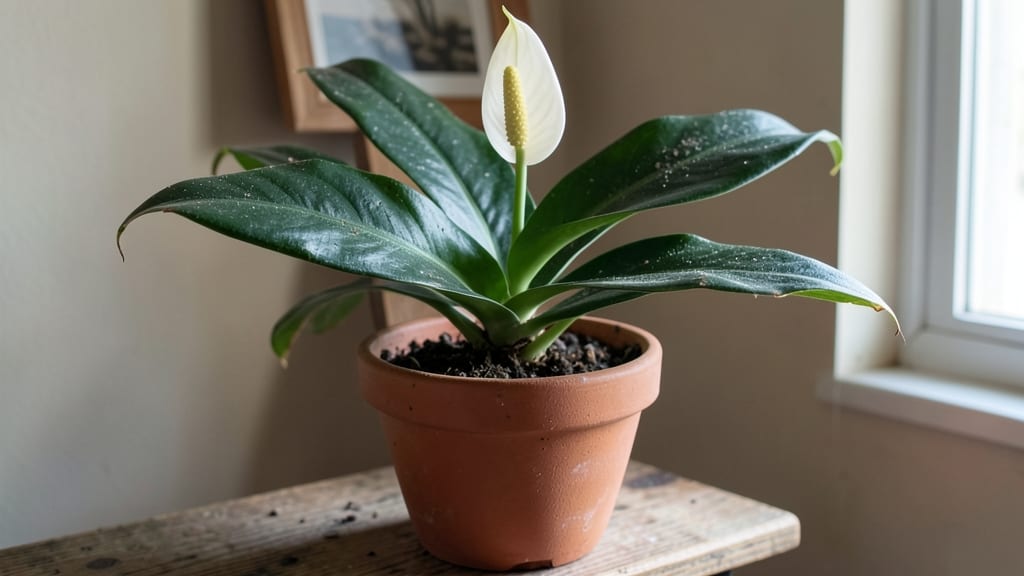
White indoor plants bring a crisp, airy elegance that brightens even the dimmest corners. ✨ I’ve filled my living room with these luminous varieties, and the difference in mood is immediate—like swapping dull walls for a gallery of soft, glowing canvases.
The key lies in their sunlight needs; most crave bright, indirect light to keep their leaves pristine and their growth vigorous.
Think of the peace lily’s glossy white blooms or the snake plant’s striking variegation—both thrive with minimal fuss. You’ll need a few basic supplies: well-draining soil, a pot with drainage holes, and a spot near a south- or west-facing window.
These plants reward patience with dramatic foliage that feels like a breath of fresh air in any room.
Pair them with darker greens or deep terracotta pots to make their white hues pop even more. The snake plant’s vertical lines add architectural interest, while peace lilies bring a touch of tropical romance.
Within weeks, you’ll notice how they soften harsh lighting and create a serene atmosphere that’s impossible to ignore.
Perfect for small apartments, office spaces, or any room needing a lift. These plants adapt well to indoor conditions, making them ideal for beginners and seasoned plant parents alike. Here’s how to style them for maximum impact!
📚 In This Guide
- What you need
- Instructions
- Tips and common mistakes
- Wrapping up and next steps
What you need
- ● White indoor plants: 2–5 plants (e.g., Spathiphyllum ‘Domino’, Peperomia obtusifolia ‘Variegata’, or Zamioculcas zamiifolia ‘White’). Choose based on your light conditions (low to bright indirect).
- ● Pot(s): 1–3 containers with drainage holes (6–10 inches in diameter). Opt for ceramic, terracotta, or stylish planters that complement your decor.
- ● Well-draining potting mix: 1–2 bags (1–2 cubic feet each) of a high-quality blend (e.g., cactus/succulent mix or all-purpose mix with perlite for aeration).
- ● Drainage material: Small pebbles, gravel, or broken pottery shards (1 cup) to prevent root rot.
- ● Basic gardening tools: Trowel or small shovel (for planting)
- ● Pruning shears (for trimming)
- ● Spray bottle (for misting, if needed)
- ● Watering can or spray bottle (with a fine rose nozzle for gentle watering).
- ○ Fertilizer (optional but recommended): Balanced liquid fertilizer (e.g., 10-10-10) or slow-release granules.
- ● Organic options like worm castings or fish emulsion.
- ○ Grow lights (optional): LED or fluorescent grow lights (12–16 hours/day) if your space lacks natural light.
- ○ Humidity tray or pebble tray (optional): For plants like Calathea or Peperomia that thrive in moisture.
- ● 🌡️ Check light conditions: Place plants near a north- or east-facing window for bright, indirect light. Avoid harsh direct sun (unless your plant is a succulent!).
- ● ✨ Pot size matters: Choose a pot 1–2 inches larger in diameter than the plant’s root ball to avoid overwatering.
- ● 💧 Water wisely: Stick your finger 1–2 inches into the soil—water only when it’s dry. White foliage can hide moisture levels, so always check!
How to style and care for indoor white plants
Sunlight-loving white plants bring fresh elegance to any room—here's how to make them thrive.
🪴 Step 1: Choose the Right White Varieties for Your Space
Start with plants that naturally produce white blooms, like peace lilies, spider plants, or variegated snake plants. These varieties handle indoor lighting well and add striking contrast. I always check a plant's mature size against my space—some white bloomers like orchids need tall shelves, while smaller varieties like African violets fit windowsills perfectly.
Look for plants labeled as "low-light tolerant" if your space lacks bright windows. White foliage varieties like the 'White Stripe' dracaena or 'Moonlight' pothos also work beautifully without needing direct sun. Place them where they'll receive at least 4-6 hours of indirect light daily—this keeps their leaves vibrant and prevents yellowing.
☀️ Step 2: Position for Maximum Light Exposure
White plants often need more light than green varieties because their leaves reflect sunlight differently. Move them within 3 feet of a south- or west-facing window for the best results. If your space only has north light, supplement with a grow light placed 12-18 inches above the plants for 12-14 hours daily.
Rotate plants quarter-turn weekly so all sides receive even light. You'll notice leaves leaning toward the window? That's your cue to move the plant or adjust the light source. White foliage plants like 'White Knight' calathea develop their signature patterns best with consistent, bright indirect light—without it, the variegation fades to plain green.
💧 Step 3: Water with Precision for White-Leaved Plants
White variegated plants often have less chlorophyll than green varieties, making them more sensitive to overwatering. Stick your finger 1 inch into the soil—water only when it feels dry. I use the "soak-and-drain" method: water thoroughly until it runs from the drainage hole, then empty the saucer after 10 minutes to prevent root rot.
White blooming plants like jasmine or gardenias need slightly more moisture, but never let them sit in wet soil. Adjust your watering schedule by observing the plant's leaves: crisp edges mean underwatering, while yellowing or drooping signals overwatering. In winter, when indoor air is dry, I mist white foliage plants like 'White Princess' monstera 2-3 times weekly to keep their leaves crisp and vibrant.
✂️ Step 4: Prune and Maintain for Continuous Blooms
Deadhead spent white blooms immediately to encourage new growth. For plants like peace lilies, pinch back leggy stems to promote bushier growth. I always use sterilized scissors to make clean cuts just above a leaf node—this prevents disease and encourages faster regrowth. White-flowering plants often bloom more prolifically when slightly root-bound, so I only repot every 2-3 years or when roots circle the pot.
Dust leaves regularly with a damp microfiber cloth—white foliage shows dirt more than green varieties. This keeps them looking fresh and allows maximum light absorption. Feed white plants with a balanced liquid fertilizer (10-10-10) every 4-6 weeks during spring and summer, but cut back in fall and winter when growth slows.
🌿 Step 5: Troubleshoot Common White Plant Issues
Brown tips on white variegated plants usually mean the air is too dry. Move the plant away from heat sources like vents and consider a pebble tray under the pot to increase humidity. Yellow leaves often signal overwatering—let the soil dry out completely between waterings. If white blooms fail to open, the plant may need more light or a cool nighttime temperature (around 60-65°F) to trigger flowering.
Pests like spider mites are harder to spot on white foliage, so inspect leaves weekly under good light. Wipe leaves with neem oil solution if you notice webbing or tiny moving dots. I've found that white plants actually repel some pests naturally—just keep them healthy, and you'll rarely have issues. The key is consistency: light, water, and air flow make all the difference in keeping white plants looking their brightest.
Tips & tricks for perfect indoor white plant care
White plants need special attention to keep their leaves bright and blooms abundant—here's how to avoid common pitfalls.
The Light Factor: In Step 2, when positioning your plants within 3 feet of windows, pay attention to the type of window. North-facing windows provide soft, consistent light perfect for white foliage plants like 'Moonlight' pothos, while south-facing windows deliver intense light that works better for blooming varieties like peace lilies. If you notice leaves turning pale or losing their variegation after the 4-6 hours of light, they're getting too much direct sun—move them back a foot or use a sheer curtain to diffuse the light.
Watering Wisdom: The 1-inch soil check in Step 3 is crucial, but timing matters just as much. I've found that morning watering works best for white plants—it gives them time to absorb moisture before evening, reducing the risk of fungal issues. For plants like 'White Princess' monstera that need misting 2-3 times weekly, do this in the morning too so leaves dry completely by night. Overwatering is the #1 killer of white variegated plants because their lighter leaves can't photosynthesize as efficiently as green ones.
Pruning Pro Tip: When deadheading in Step 4, don't just cut off the spent blooms—look for the first set of leaves below the bloom and cut just above that node. This encourages new growth from that point rather than leaving a bare stem. For white blooming plants, I've noticed they often produce more flowers if you prune back about 1/3 of the leggiest stems after the initial blooms fade. This redirects the plant's energy toward producing new blooms rather than just growing taller.
Troubleshooting Temperature: The 60-65°F nighttime temperature mentioned for encouraging blooms might seem chilly, but it's perfect for triggering flowering in many white plants. If your home stays warmer than this consistently, try moving blooming varieties like gardenias to a cooler spot at night or near a window where cooler air drains. I keep my orchids in a bathroom that stays around 62°F at night and they bloom more prolifically than when kept in warmer living areas.
Pro Tips for Indoor Plants White
- White plants need special attention to keep their leaves bright and blooms abundant—here's how to avoid common pitfalls.
- The Light Factor: In Step 2, when positioning your plants within 3 feet of windows, pay attention to the type of window.
- Watering Wisdom: The 1-inch soil check in Step 3 is crucial, but timing matters just as much.
Frequently asked questions
Got questions about keeping your indoor white plants thriving? You’re not alone! Here are some of the most common concerns—and their easy solutions.
Why are my white-variegated plants losing their color?
White variegation fades when plants don’t get enough bright, indirect light. Move them near a south- or west-facing window (but out of harsh direct sun). Too little light also weakens the plant, making it more prone to pests. A grow light can help if natural light is limited!
Can white indoor plants survive in low-light rooms?
Most white variegated plants (like Snake Plants or ZZ Plants) tolerate low light, but they’ll grow slower and may revert to solid green. For true white foliage (e.g., White Calathea), aim for medium to bright indirect light. If your space is dim, choose white-flowering plants (like Peace Lilies) instead.
How often should I water white indoor plants?
White plants often have thicker leaves (to reflect light), which means they store water better. Stick your finger 1-2 inches into the soil—water only when it’s dry. Overwatering is the #1 killer! Use a pot with drainage holes and let excess water drain away to avoid root rot. Pro tip: White foliage can hide dirt, so check soil moisture regularly!
Are white indoor plants more prone to pests?
White leaves can attract pests like aphids or mealybugs because they’re easier to spot on white surfaces. Keep leaves dust-free with a damp cloth and inspect undersides weekly. If pests appear, treat with neem oil or insecticidal soap. Prevention tip: Isolate new plants for 2 weeks to catch hitchhikers early!
What’s the best way to style white indoor plants for maximum impact?
White plants add drama to any space! Pair them with deep green (like Monstera) or bold colors (red pots, gold accents) for contrast. Place them on shelves, in hanging planters, or as a monochromatic centerpiece. For height, try a White Bird of Paradise or White Anthurium—just ensure they get enough light!
Can I propagate white indoor plants easily?
Yes! Many white variegated plants (like Pothos or Spider Plants) propagate via stem cuttings. Snip a healthy section with leaves, place it in water or moist soil, and wait for roots (2-4 weeks). Warning: Some white varieties (like White Calathea) are harder to propagate—stick to leaf cuttings or division for these!
Wrapping up and next steps
Bringing indoor white plants into your space isn’t just about aesthetics—it’s about infusing your home with fresh energy, natural beauty, and a touch of serene elegance. 🌿 From the delicate Peace Lily to the bold Snake Plant, these sun-kissed greens are perfect for purifying the air and lifting your mood.
Whether you’re a seasoned plant parent or just starting your green journey, these low-maintenance beauties make it easy to transform any corner into a vibrant oasis.
Ready to take the next step? Start small! Pick one of these white-hued plants, grab a pot, and let nature work its magic. Your space—and your soul—will thank you. 💖