
Diseases
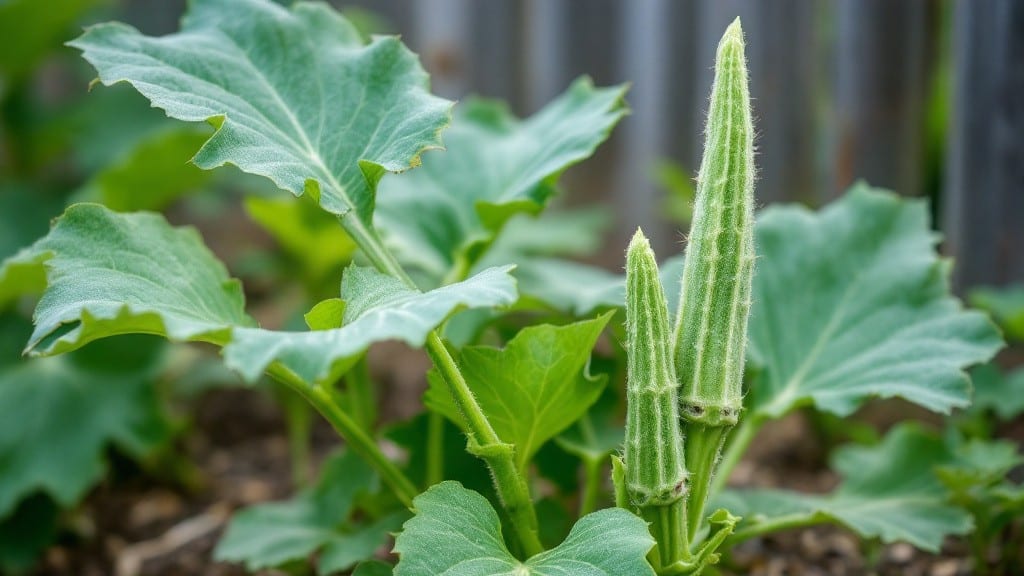
Okra plant diseases strike fast when humidity and heat team up—powdery mildew, bacterial blight, and leaf spot can turn your thriving crop into a sad, spotted mess in days.
I’ve lost entire plants to these fungal foes before, but now I spot them early and stop them in their tracks with simple, organic fixes.
The key is acting before the disease spreads beyond the first few leaves, because once it takes hold, even the hardiest okra plants struggle to recover.
Most of these problems start with poor airflow or wet foliage from overhead watering. My biggest mistake? Ignoring the early signs—tiny yellow spots or white powder—until the plants looked like they’d been dusted with flour.
Now I check my okra every 3-4 days during humid stretches, and I water at the base instead of from above. A quick spray of neem oil or baking soda mix (just 1 tablespoon per quart of water) can knock out powdery mildew before it gets a foothold.
By treating early, you’ll save your plants—and your harvest. Healthy okra pods stay crisp, tender, and free of those bitter, mushy spots that ruin the texture. The best part?
These remedies work in 24-48 hours if you catch the disease soon enough, and they keep your garden chemical-free. Think of it as insurance for your summer crop.
Works for home gardeners, container growers, and even those with limited space—just adjust the spray coverage for smaller plants. Let’s get those okra plants fighting back before the next heatwave hits.
Root Causes Behind Okra’s Fungal Foes
Okra plants, with their rapid growth and tender pods, are surprisingly vulnerable to fungal diseases—especially in warm, humid climates. But why do these pathogens target okra so aggressively? The answer lies in a mix of environmental stress, cultural practices, and the plant’s natural weaknesses.
Understanding these triggers is key to prevention. Let’s break down the primary reasons okra plants fall prey to fungal infections, so you can tackle them head-on.
Fungi thrive in specific conditions, and okra’s tropical origins make it particularly susceptible when those conditions shift. Here’s how weather plays a role:
- Excessive Moisture: Fungal spores like Phytophthora and Pythium (causing damping-off and root rot) spread rapidly in soggy soil or prolonged leaf wetness. Okra’s broad leaves create a canopy that traps moisture, creating the perfect breeding ground for pathogens. Pro tip: 💡 Aim for 1–1.5 inches of water per week and avoid overhead watering after dark to let foliage dry.
- High Humidity: Diseases like Cercospora leaf spot (characterized by brown spots with gray centers) flourish in humidity levels above 70%. Okra’s thin cuticle makes it harder for the plant to resist fungal penetration in these conditions. Solution: Improve airflow with spacing (18–24 inches between plants) and prune lower leaves to reduce humidity at soil level.
- Temperature Swings: Okra prefers warmth (70–90°F), but sudden drops below 60°F weaken its defenses. Fusarium wilt, for example, exploits stress from cool nights, allowing the fungus to invade vascular tissues. Action step: 🌡️ Use row covers in early spring or fall to maintain stable temperatures.
A healthy soil microbiome is your first line of defense against fungal invaders. When okra lacks key nutrients or suffers from compacted soil, it becomes an easy target. Here’s how:
| Nutrient Deficiency | Fungal Risk | How to Fix It |
|---|---|---|
| Low Phosphorus (P) | Weakens root structure, making plants prone to root rot (e.g., Rhizoctonia). | Apply bone meal or compost before planting. Aim for soil tests showing 30–50 ppm available P. |
| Excess Nitrogen (N) | Promotes lush, soft growth that’s more susceptible to leaf spots (e.g., Alternaria). | Balance with potassium-rich fertilizers (like greensand) to boost disease resistance. |
| Compacted or Waterlogged Soil | Reduces oxygen, inviting Pythium and Phytophthora to thrive. | Amend with compost or perlite and avoid heavy foot traffic near plants. |
Pro tip: 🌱 Test your soil every 2–3 years—okra prefers a pH of 6.0–6.8. Adjust with lime (to raise pH) or sulfur (to lower it) as needed.
Fungal spores are sneaky—they can lurk in old plant matter, garden tools, or even seedbeds for years. Here’s how they hitch a ride to your okra:
- Infected Crop Residue: Leaving behind okra stalks, pods, or fallen leaves after harvest leaves a buffet for Cercospora and Colletotrichum (cause of anthracnose). Spores overwinter in debris, ready to reinfect the next season. Fix: 🔪 Remove all plant material and compost it only if heated to 140°F+ (or use a black plastic tarp for solarization).
- Reused or Shared Tools: Pruners, shovels, or trellises contaminated with Fusarium or Verticillium can spread wilt diseases through open wounds. Action: ✨ Sterilize tools with a 10% bleach solution (1 part bleach to 9 parts water) or rubbing alcohol between uses.
- Contaminated Seed or Transplants: Some fungal pathogens (like Macrophomina phaseolina, which causes charcoal rot) can be seedborne. Even "healthy" looking transplants may harbor spores internally. Prevent: 🌱 Buy from reputable suppliers and soak seeds in hydrogen peroxide (3%) for 10 minutes before planting.
Planting okra in the same spot year after year depletes soil nutrients and allows fungal populations to build up. Here’s why this is a recipe for disaster:
- Pathogen Buildup: Fungi like Sclerotium rolfsii (causing southern blight) produce long-lived survival structures called sclerotia in the soil. These can persist for 5+ years, waiting for the next okra crop to attack. Solution: Rotate with non-host plants like grasses, legumes, or brassicas (e.g., broccoli, cabbage) every 2–3 years.
- Nutrient Depletion: Okra is a heavy feeder, especially for potassium and calcium. Exhausted soil becomes stressed, making plants more vulnerable to secondary infections. Fix: 💪 Plant cover crops (like clover or buckwheat) in the off-season to replenish organic matter.
Pro tip: 🎯 If rotation isn’t possible, solarize the soil in late summer by covering it with clear plastic for 4–6 weeks to kill pathogens.
By addressing these root causes—weather, soil health, contamination, and poor rotation—you’ll dramatically reduce okra’s fungal risks. The key is proactive care: monitor conditions, adjust practices, and strike before spores get the upper hand. 🚀
Fixing Fungal Foes Fast
Okra plants are tough, but fungal diseases can still turn your garden into a battleground. The good news? With the right approach, you can reverse damage, save your crop, and prevent future outbreaks—without relying on harsh chemicals.
Below are practical, step-by-step solutions tailored to each fungal threat, plus prevention tips to keep your okra thriving.
Cause: White, powdery patches on leaves (like dust) that spread fast in humid conditions. Fix It:
- 🧼 Prune & Clean:
- Snip off infected leaves below the fungus (use sterilized shears 🔪).
- Dispose of debris in a sealed trash bag (not compost!).
- Pro Tip: 💡 Morning pruning lets leaves dry faster, slowing spores.
- 🌿 Spray Fungicides (Natural First!): - Baking soda spray: Mix 1 tbsp baking soda + 1 tsp dish soap + 1 gallon water. Spray every 7–10 days (especially after rain 🌧️). - Neem oil: 2 tbsp neem oil + 1 tsp mild soap + 1 quart water.
Shake well and spray at dusk (avoids burning leaves ☀️). - For severe cases: Use sulfur-based fungicides (follow label rates).
- 🌡️ Improve Airflow:
- Space plants 18–24 inches apart (crowding = fungus paradise).
- Train vines to trellises to reduce humidity near foliage.
Prevent Relapse:
- Rotate crops—don’t plant okra in the same spot next year.
- Water at the base (never overhead 💦).
- Choose resistant varieties like ‘Clemson Spineless’ or ‘Emerald.’
Cause: Dark, greasy spots with yellow halos (often from Cercospora or Phyllosticta). Fix It:
- 🧴 Remove & Replace:
- Tear off spotted leaves (don’t compost!) and burn or trash them.
- Replace with healthy, disease-free plants if >30% of the plant is infected.
- 🛡️ Copper Fungicide (Best Defense):
- Apply copper hydroxide or copper sulfate (e.g., Bordeaux mixture) every 10–14 days.
- Safety Note: Wear gloves—copper can irritate skin 🧤.
- 🌱 Boost Plant Health:
- Fertilize lightly with a balanced 10-10-10 (too much nitrogen = weaker plants).
- Mulch with straw (2–3 inches) to reduce soil splashes onto leaves.
Prevent It:
- Water early (before 9 AM) so leaves dry by noon ⏰.
- Avoid overhead irrigation—use drip lines or soaker hoses.
- Crop rotation: Wait 3 years before replanting okra in the same bed.
Cause: Wilting, yellowing, or blackened stems (from Phytophthora or overwatering). Fix It:
- ⏳ Emergency Drainage:
- Stop watering immediately—let soil dry completely for 2–3 days.
- If in pots, check drainage holes—they must be unclogged (use a wire 🔧).
- 🌱 Transplant or Trench:
- Dig up the plant (gently!) and trim blackened roots with sterilized scissors.
- Replant in fresh, well-draining soil (amend with perlite or sand 🏗️).
- For in-ground okra: Trench the area with sand or compost to improve drainage.
- 💊 Fungicide Rescue:
- Drench roots with hydrogen peroxide (3%) or Fungicide 3 (follow instructions).
- Prevent soilborne spread: Disinfect tools with rubbing alcohol between plants.
Prevent It:
- Raise beds if your soil stays soggy.
- Space plants wider (3 feet apart) for airflow.
- Use raised containers if your garden floods easily.
Cause: Sunken, dark lesions on pods and leaves (from Colletotrichum spores). Fix It:
- 🔥 Burn Infected Debris:
- Remove and burn all diseased pods/leaves (do not compost).
- Why? Spores survive in organic matter for years.
- 🛡️ Protective Sprays:
- Copper fungicide (as above) every 7 days during wet seasons.
- Potassium bicarbonate spray (1 tbsp + 1 tsp soap + 1 gallon water).
- 🌿 Prune for Light:
- Thin foliage to increase sunlight (fungus thrives in shade).
- Pro Tip: 🌡️ Avoid watering after 10 AM—wet leaves at night = fungus party.
Prevent It:
- Solarize soil (cover with clear plastic for 4–6 weeks in summer ☀️) to kill spores.
- Rotate crops with non-host plants (e.g., beans, peppers).
- Choose resistant varieties like ‘Arkansas 5’ or ‘Jumbo Texas.’
No matter the fungus, these low-effort habits keep okra healthy:
- 🌱 Right Planting: Space properly, use trellises, and plant in full sun (6+ hours/day).
- 💧 Right Watering: Drip irrigation only—never overhead.
- 🧼 Regular Checks: Inspect leaves weekly (catch diseases early!).
- 🔄 Rotate Crops: Never plant okra in the same spot two years in a row.
Final Reminder: 🎯 Act fast! Fungal diseases spread like wildfire—prune, spray, and adjust watering at the first sign of trouble. With these fixes, your okra will bounce back stronger than ever—and you’ll enjoy crisp, disease-free pods all season!
Frequently asked questions about okra plant diseases
What’s the first sign of powdery mildew on okra leaves?
Look for tiny white or gray powdery spots on the upper leaf surfaces, often starting between the veins. These spots spread quickly in humid conditions and can cover entire leaves within days. Act fast by pruning infected leaves and applying a baking soda spray (1 tbsp baking soda + 1 tsp soap per gallon of water).
Can I still harvest okra pods if the leaves have fungal spots?
Yes, but only if the pods themselves are healthy and free of lesions. Fungal diseases primarily affect leaves and stems, not the pods directly. Remove and destroy infected foliage immediately to prevent spores from spreading to your harvest. Always wash pods thoroughly before cooking.
Why does my okra keep getting leaf spot diseases every year?
This usually happens due to poor crop rotation or contaminated soil. Fungal spores like Cercospora can survive in old plant debris for years. To break the cycle, rotate your okra to a different garden bed every 2–3 years and solarize the old bed (cover with clear plastic for 4–6 weeks in summer) to kill lingering spores.
Is neem oil safe to use on okra plants with fungal diseases?
Neem oil is one of the best organic treatments for fungal diseases like powdery mildew and early leaf spots. Mix 2 tbsp neem oil with 1 tsp mild soap per quart of water, shake well, and spray on both leaf surfaces at dusk. Reapply every 7–10 days during humid conditions. It’s effective and won’t harm beneficial insects.
How can I tell if my okra plant has root rot instead of just wilting from heat?
Root rot causes blackened, mushy roots and stems that feel soft when pressed, while heat stress typically shows yellowing leaves but keeps stems firm. Dig up a small section of root to check—if it smells foul and pulls away easily, it’s root rot. Fix it by improving drainage (raise beds or use containers) and stopping watering until the soil dries completely.