Watering
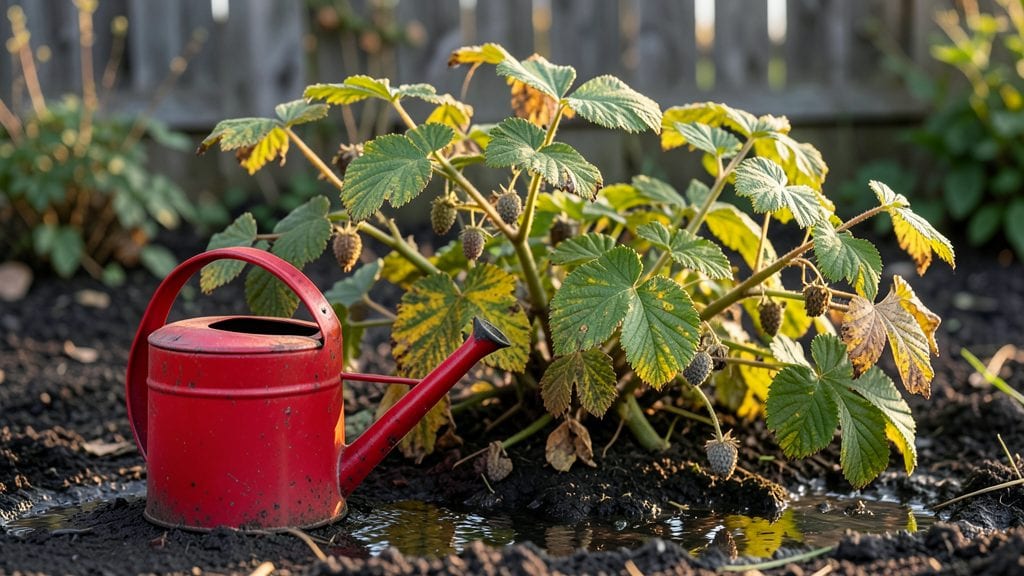
My raspberry plants looked like drowned victims after a week of relentless rain—yellowing leaves, limp canes, and soil that smelled like a swamp. 🌱 Overwatering turns raspberries into sad, soggy shadows, but the good news is you can revive them with the right moves.
I’ve pulled plants back from the brink using just three targeted steps, and I’ll show you exactly how.
First, stop watering entirely and let the roots breathe—raspberries hate soggy feet more than they hate thirst. Check soil moisture with your finger: if it’s damp more than an inch down, wait another day.
Meanwhile, improve drainage by adding coarse sand or perlite to compacted soil, or move potted plants to raised beds if your yard stays waterlogged.
Once the soil dries out, prune back any mushy roots or blackened canes with clean shears, then mulch heavily with straw to regulate moisture without smothering the plant.
Within two weeks, you’ll see new green growth pushing through, and the berries will rebound stronger than ever—if you catch it early enough.
This works for backyard bushes, container plants, or even those stubborn raspberries in soggy raised beds. The key is acting fast before root rot sets in permanently. Let’s get those canes back to their productive selves!
Common Causes of Overwatering
When your raspberry plants start looking more like soggy sponges than thriving bushes, it’s often a sign of excessive moisture. But why does this happen? Overwatering isn’t just about turning on the hose too long—it’s a mix of environmental, soil, and human factors.
Let’s break down the science behind the soggy soil.
Raspberries thrive in well-draining soil, but if your garden beds or containers hold onto water like a sponge, roots suffocate. Here’s why:
- Compacted soil: Heavy clay or tightly packed dirt prevents water from seeping away. Roots can’t breathe, leading to anaerobic conditions (lack of oxygen), which triggers rot.
- No organic matter: Soil rich in compost or peat helps aerate and absorb excess water. Without it, water pools around roots instead of filtering through.
- Improper container drainage: Pots without drainage holes act like bathtubs for your plants. Even "self-watering" containers can trap moisture if not monitored.
Pro tip: Test your soil’s drainage by digging a 6-inch hole, filling it with water, and timing how long it takes to drain. If it’s slower than 4 hours, amend with perlite, sand, or coconut coir. 🌡️
Raspberries need consistent moisture, but frequency ≠ depth. Common mistakes include:
- Daily light watering: Short, shallow waterings encourage roots to stay near the surface, where they’re more prone to drying out and drowning in the next cycle.
- Ignoring weather: Watering on rainy days or after heavy dew doubles moisture levels, suffocating roots.
- Automatic systems on autopilot: Drip irrigation or timers set to "always on" can lead to chronic overwatering, especially in humid climates.
Actionable fix: Water deeply 2–3 times per week (adjust for climate) and always in the morning to allow foliage to dry before nightfall. Use a moisture meter to check soil levels—aim for 40–60% moisture, never soggy. ⏰
Potted raspberries are especially vulnerable because their root systems are confined. Key culprits:
- No drainage holes: Even "breathable" fabric pots can trap moisture if the soil mix isn’t light enough.
- Overpotting: A container too large for the plant’s root system holds excess water, while small pots dry out too fast—neither is ideal.
- Root-bound plants: When roots circle the pot, they struggle to absorb water efficiently, leading to uneven moisture and rot.
Solution: Upgrade to pots with multiple drainage holes and use a mix of 50% potting soil + 30% perlite + 20% compost. Repot every 2 years to refresh the root zone. 🔥
Not all overwatering is your fault—sometimes, Mother Nature plays a role:
- High humidity: Moist air slows evaporation, keeping soil damp longer than usual. In tropical climates, roots can rot in just 2–3 days of excess water.
- Shade without airflow: Dense foliage or tight plant spacing traps humidity around leaves, preventing soil from drying between waterings.
- Heavy rainfall + mulch: Mulch is great for moisture retention, but if it’s too thick (4+ inches), it can block water absorption and suffocate roots.
Adjust for the weather: Reduce watering by 30–50% during humid spells and space plants 18–24 inches apart for airflow. Thin mulch to 2–3 inches and keep it 2 inches away from stems. 💡
Reviving Your Overwatered Raspberry Plants
Now that you know why your raspberry plants might be drowning in excess moisture, let’s tackle the fixes—step by step. The good news? With the right approach, you can nurse them back to health and prevent future waterlogging woes. Here’s how to diagnose, act, and protect your berry bushes.
Cause: Continuous soggy soil (from overwatering, poor drainage, or heavy rain). Fix: Cut off the water supply right now—no more top-ups until the soil dries out.
- 🔥 Pause watering: Let the roots breathe. Even if the leaves look wilted, withholding water prevents root rot from spreading. - 🍳 Check the soil: Stick your finger 2 inches deep. If it’s damp, wait 2–3 days before reassessing.
If it’s still wet, dig deeper (4+ inches) to gauge moisture. - ⏰ Monitor weather: If rain is forecasted, delay watering until the forecast clears. Use a clear plastic bottle buried near the plant to track soil moisture visually.
💡 Pro Tip: If your raspberries are in containers, lift the pot to check weight—if it feels heavy, it’s overwatered. Drain excess water from the saucer immediately.
Cause: Compacted or clay-heavy soil traps water, suffocating roots. Fix: Give your plants a drainage upgrade to mimic their natural, well-draining habitat.
For In-Ground Plants:
- 👨🍳 Loosen the soil: Use a garden fork to aerate around the base (6–12 inches deep). Break up compacted layers to let air and water move freely.
- 🥘 Add organic matter: Mix in compost, perlite, or coarse sand (1–2 inches) to improve texture.
Avoid fresh manure—it can burn roots. - 🌡️ Create a berm: Pile soil slightly around the plant’s base (like a mini hill) to encourage water to run away from the crown.
For Potted Raspberries:
- ✨ Drainage holes are non-negotiable: If your pot lacks them, transfer the plant to a new container with holes immediately.
- 📊 Layer the pot: Fill the bottom 20% with gravel or broken pottery shards before adding soil.
This prevents water from pooling at the roots. - 💪 Upgrade the soil mix: Replace heavy potting soil with a 50/50 blend of potting mix and perlite/pumice for better aeration.
Cause: Waterlogged roots rot quickly, cutting off nutrients. Fix: Speed up evaporation while protecting the plant from stress.
- 🌿 Prune affected foliage: Snip off yellow or blackened leaves (sterilize shears with rubbing alcohol). This reduces the plant’s demand for water while it recovers. - 🍎 Provide shade: Use a shade cloth (30–50%) or move potted plants to a sheltered spot.
Direct sun + wet soil = faster dehydration. - 💨 Boost airflow: Space out plants or prop up containers to improve circulation.
A small fan on low can help dry leaves faster (great for pots!). - 🌧️ Mulch strategically: Once the soil is slightly dry, add a 1-inch layer of straw or wood chips away from the stem. This keeps moisture out while insulating roots.
Cause: Ignoring soil moisture, relying on schedules, or poor setup. Fix: Adopt smarter watering habits tailored to raspberries.
| Problem | Solution |
|---|---|
| Inconsistent watering | Water deeply 1–2 times per week (early morning) instead of daily light sprinkles. |
| No moisture tracking | Use a moisture meter or the "squeeze test" (grab a handful of soil—if it holds shape, it’s too wet). |
| Heavy clay soil | Amend with gypsum or compost annually to improve drainage. |
| Pots without saucers | Always use drainage saucers with holes to prevent root suffocation. |
| Ignoring weather | Adjust watering based on rainfall—skip watering if >1 inch of rain falls in 3 days. |
💡 Pro Tip: Drip irrigation with a timer is a game-changer—it delivers water slowly at the soil level, reducing waste and runoff.
- Mild cases (soggy but not rotting): 1–2 weeks of dry conditions + pruning.
- Moderate (some root rot): 3–4 weeks with improved drainage and reduced foliage.
- Severe (mushy stems, foul smell): Sadly, the plant may not survive. Start fresh with a new cutting or bare-root plant in well-draining soil.
✨ Signs of Success:
- New green leaves emerge.
- Soil feels crumbly and slightly moist (not wet) 2 inches down.
- Roots smell earthy (not rotten) when checked.
Final Reminder: Raspberry plants are hardy but hate wet feet. Once you’ve dried out the soil and adjusted your care routine, your bushes will bounce back stronger—and you’ll avoid the "drowning raspberry" disaster next season! 🍓💦
Frequently asked questions
How do I tell if my raspberry plant is overwatered vs. underwatered?
Check the leaves and soil: overwatered plants have yellowing leaves, mushy stems, and soil that smells sour or stays soggy for days. Underwatered plants show crispy brown edges, wilting despite dry soil, and roots that pull away easily. Stick your finger 2 inches deep—if it’s damp, you’re overwatering; if dry, it’s thirsty.
Can I save a raspberry plant with root rot from overwatering?
Mild cases may recover if you stop watering immediately, improve drainage, and prune blackened roots. Severe rot (mushy stems, foul odor) is usually fatal. For potted plants, repot in fresh, dry soil with perlite. In-ground plants need aerated soil and reduced foliage to recover. Act fast—root rot spreads within 24–48 hours of excess moisture.
What’s the best soil mix to prevent overwatering in containers?
Use a 50% potting soil + 30% perlite/pumice + 20% compost blend for optimal drainage. Add a 2-inch gravel layer at the pot’s bottom to prevent water pooling. Avoid heavy garden soil—it compacts and holds moisture like a sponge. For extra insurance, choose containers with multiple drainage holes and saucers with drainage.
How often should I water raspberries in humid climates?
Cut back to 1–2 times per week in high humidity, always in the morning. Check soil moisture daily—if it’s damp more than 1 inch down, skip watering. Use a moisture meter or the "squeeze test" (grab soil; if it holds shape, it’s too wet). Mulch lightly (1 inch) and keep it 2 inches away from stems to balance moisture.
Will pruning help an overwatered raspberry plant recover?
Yes! Prune yellow or blackened leaves to reduce water demand while roots recover. Cut back 1/3 of the canes to redirect energy to healthy growth. Sterilize shears with rubbing alcohol to prevent infection. Avoid heavy pruning until soil dries out—stressed plants handle shock poorly. New green leaves signal recovery within 2–3 weeks.