
Watering
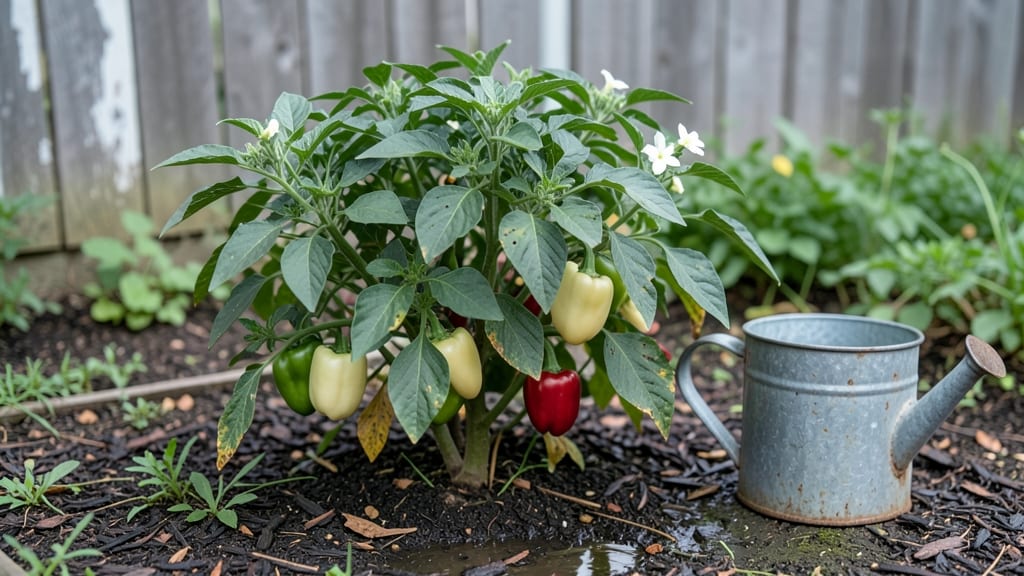
Overwatering pepper plants turns their leaves yellow faster than you can say "harvest season." I’ve watched my own peppers go from glossy green to sad, limp messes in days—until I learned the 48-hour fix that saves them every time.
The problem isn’t just too much water; it’s the soggy roots suffocating your plants before they can fight back.
Yellow leaves, wilting stems, and that dreaded mushy soil smell? Those are your plants’ SOS signals. The good news is peppers bounce back when you adjust watering, improve drainage, and give roots room to breathe.
I’ll show you how to spot the damage, cut back on water, and revive your plants before pests or disease move in.
Within two days, you’ll see new green growth pushing through—proof your peppers aren’t done for. The key is consistency: water only when the top inch of soil feels dry, and make sure containers have drainage holes.
No more guessing games—just healthy plants ready to produce spicy, sweet, or smoky peppers all season.
This works for bell peppers, jalapeños, or habaneros, whether you’re growing in pots or garden beds. Let’s turn those sad yellow leaves into vibrant green before your next watering day.
Root Causes Of Waterlogged Peppers
Overwatering isn’t just a gardening mistake—it’s a scientific breakdown of your pepper plants’ delicate balance. When water overwhelms their roots, it triggers a cascade of physiological stress that can turn your thriving plants into sad, yellowing shadows in days.
Let’s break down the real reasons this happens, so you can stop the damage before it starts.
Pepper plants hate soggy feet, and if your soil or containers don’t drain properly, excess water pools around roots, cutting off oxygen. Here’s why this is deadly:
- Oxygen deprivation: Roots need aeration to respire—without it, they suffocate, leading to anaerobic conditions that produce toxic compounds like ethanol and acetaldehyde (yes, your plants are basically getting drunk).
- Fungal feasts: Stagnant water invites Phytophthora and Pythium fungi, which rot roots faster than you can say “blight.”
- Nutrient lockout: Waterlogged soil binds nutrients like nitrogen and phosphorus, making them inaccessible—even if you’re fertilizing!
Actionable fix: Test your soil’s drainage by filling a container with water—if it drains slower than 10 minutes, amend with perlite, coarse sand, or compost to improve porosity.
Think you’re helping by watering every day? Timing matters more than you think. Peppers are drought-tolerant but not flood-tolerant. Here’s how schedules backfire:
- Morning vs. evening: Watering at dusk or night delays evaporation, keeping roots wet for hours. This mimics a permanent monsoon in a pot.
- Overzealous “light” watering: Frequent shallow watering (e.g., a sprinkle daily) trains roots to stay near the surface, where they’re most vulnerable to drying out and drowning.
- Ignoring humidity spikes: High humidity (like after rain) + waterlogged soil = perfect storm for diseases like downy mildew.
Actionable fix: Water deeply 2–3 times per week (early morning) and let the top 1–2 inches of soil dry out between sessions. Use a moisture meter to avoid guesswork.
Not all pots are created equal—and some are root murderers. Here’s how containers contribute to the problem:
| Problem Container | Why It’s Dangerous | Fix It With |
|---|---|---|
| Plastic pots | Retain moisture like a sponge, slowing evaporation and promoting root rot. | Upgrade to terracotta or fabric grow bags (breathable!). |
| No drainage holes | Water pools at the bottom, creating a permanent swamp for roots. | Drill holes or use self-watering pots with overflow drains. |
| Overly large pots | Excess soil stays damp longer, and roots can’t absorb water efficiently. | Size up only 1–2 inches larger in diameter than the root ball. |
Pro tip: If repotting, sterilize containers with a 10% bleach solution to kill lingering pathogens.
Cold or hot extremes amplify overwatering damage. Here’s the science:
- Cold roots: Below 55°F (13°C), pepper roots stop absorbing water efficiently. If you keep watering, excess pools, chilling roots further.
- Heatwaves: High temps increase transpiration (water loss through leaves), but if roots are waterlogged, they can’t keep up, causing wilting and yellowing.
- Rainy seasons: Combine natural rainfall with your watering schedule, and you’ve double-dosed your plants in stress.
Actionable fix: Adjust watering based on weather forecasts—reduce by 30–50% during rain or cool spells. Use mulch to regulate soil temp.
Too many plants in one pot? Competition for oxygen and nutrients turns into a root suffocation crisis. Here’s how:
- Root-bound stress: Crowded roots circle the pot, blocking water flow and creating anaerobic zones.
- Fungal hotspots: Dense foliage traps humidity, while roots compete for the same soggy soil.
- Weakened structure: Peppers need space to develop strong taproots—without it, they rely on shallow, fragile roots that drown easily.
Actionable fix: Space peppers 18–24 inches apart in gardens or use individual pots (minimum 5-gallon size for mature plants). Prune lower leaves to improve airflow.
Fix Overwatered Peppers Fast
Now that you know the signs and causes of overwatering, let’s turn things around and get your pepper plants thriving again—in just 48 hours or less! The key is acting quickly, adjusting your approach, and preventing future mistakes.
Below are practical, step-by-step solutions tailored to the most common causes of overwatering, plus prevention tips to keep your peppers happy long-term.
Problem: Continuing to water soggy soil worsens root rot and nutrient loss. Fix:
- Pause watering for 24–48 hours to let excess moisture evaporate.
- If the soil is muddy or smells foul, wait longer—up to 72 hours—before checking again.
- Pro Tip: 💡 Use your finger to test soil moisture 1–2 inches deep. If it’s damp, hold off.
Problem: Compacted or poorly draining soil traps water, suffocating roots. Fix:
- Loosen the soil around the base (but avoid damaging roots) with a fork or trowel.
- Add organic matter like compost, coconut coir, or perlite to boost aeration.
- For containers: Drill drainage holes if missing, and repot if the soil stays soggy for days.
Problem: Overwatering weakens peppers, making them prone to pests/disease. Fix:
- Trim yellow leaves (but leave green ones) to redirect energy to healthy growth.
- Apply a diluted seaweed or fish emulsion fertilizer (1 tbsp/gallon) to restore nutrients.
- Mist leaves lightly with water + neem oil (1 tsp/quart) to prevent fungal issues.
Problem: Inconsistent watering leads to cycles of drought and over-saturation. Fix:
- Water deeply but infrequently: Aim for 1–1.5 inches per week (adjust for climate).
- Use the "soak-and-dry" method: Water until moisture reaches 6–8 inches deep, then wait until the top 1–2 inches dry out.
- Morning watering is best—avoid evenings to prevent fungal growth.
Problem: Without changes, overwatering becomes a repeating cycle. Prevention Tips:
- Upgrade your pots to terracotta or fabric grow bags (they dry faster than plastic).
- Mulch with straw or pine needles to retain moisture without suffocating roots.
- Install a moisture meter ($10–$20) to track soil conditions accurately.
- Avoid watering on a schedule—always check soil first!
If your peppers are wilting, blackened, or mushy: 1. Remove the plant from the pot/ground and rinse roots gently in water to wash away excess soil.
- Repot in fresh, dry, well-draining mix (50% potting soil, 30% perlite, 20% compost).
- Place in bright, indirect light and skip watering for 3–5 days to recover.
Remember: Peppers are drought-tolerant—they’d rather be slightly dry than soggy! With these fixes, your plants should show green leaves and new growth within 48–72 hours. 🚀
(Need more help? Check out our pepper plant care guide for long-term tips!)
Frequently asked questions about pepper plant watering
How often should I water pepper plants to avoid overwatering?
Water pepper plants deeply 2-3 times per week (adjust for climate), letting the top 1-2 inches of soil dry between waterings. Morning watering prevents fungal growth from evening dampness. Use your finger to check moisture—if it feels damp at 1 inch deep, wait another day.
What are the first signs my pepper plants are overwatered?
Watch for yellowing lower leaves, wilting despite moist soil, and a musty smell from the soil. Roots may appear black or mushy when gently pulled away. These signs appear within 24-48 hours of excessive watering.
Can I save a pepper plant with root rot from overwatering?
Yes, but act fast! Remove the plant, rinse roots gently, and repot in fresh, dry soil mix (50% potting soil, 30% perlite, 20% compost). Skip watering for 3-5 days to let roots recover. Place in bright, indirect light and trim damaged foliage.
Why do my pepper plants need drainage holes in pots?
Pots without drainage create permanent soggy conditions that suffocate roots. Excess water pools at the bottom, preventing oxygen flow and inviting root rot. Always use containers with holes or self-watering pots with overflow drains. Terracotta pots dry faster than plastic.
How does humidity affect overwatering risks?
High humidity + overwatering = fungal paradise. When air is damp, water evaporates slowly, keeping roots wet longer. Reduce watering by 30-50% during humid weather and improve airflow by pruning crowded foliage. Use a fan for 5-10 minutes daily to help dry leaves.