Watering
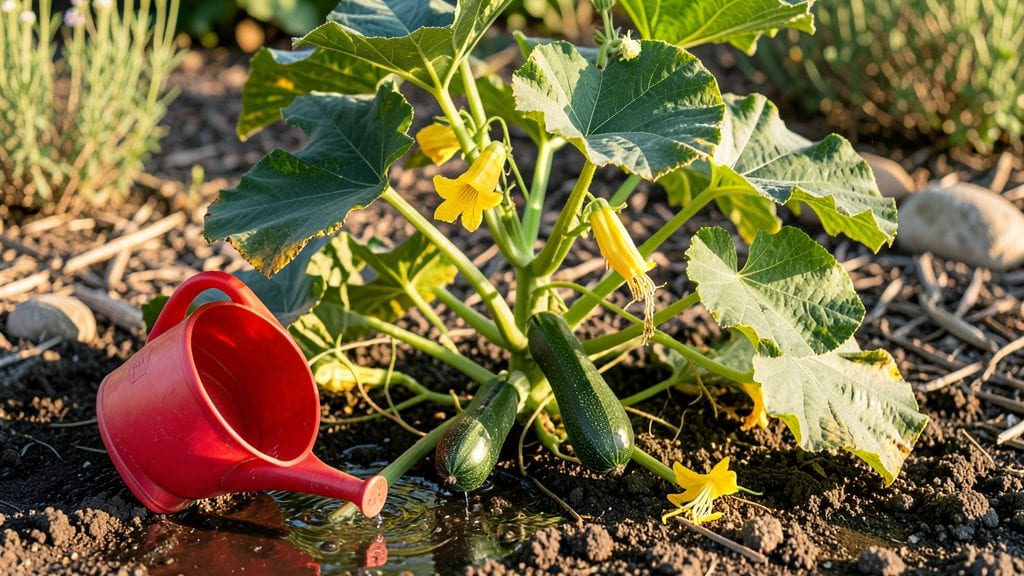
Overwatering squash plants turns your garden into a swamp—yellowing leaves, wilted vines, and that telltale mushy stem. I’ve pulled squash back from the brink after drowning them in good intentions, and the fix starts with recognizing the signs before it’s too late.
The key isn’t just cutting back water but understanding why your soil is holding onto moisture like a sponge.
Most gardeners overwater because we assume squash—those sprawling, thirsty-looking plants—need constant hydration. But squash roots rot when they can’t breathe, and soggy soil blocks nutrients faster than you can say "blossom end rot."
Check the soil 2 inches down: if it’s damp, wait. If it’s bone-dry, you’ve been underwatering all along. The goal is consistent moisture, not a soggy mess.
Here’s the rescue: adjust your watering to deep but infrequent sessions—think 1-2 inches per week, depending on rain. Amend heavy clay soil with compost to improve drainage, and mulch heavily to keep roots cool and moisture even.
Within 7-10 days, new growth will push out yellowed leaves, and your vines will bounce back stronger than before.
Prevention is easier than cleanup: water at the base in the morning, avoid overhead sprinklers, and watch for fungal signs like powdery mildew. Squash are tough, but they’ll forgive you if you act fast. Let’s turn those sad yellow leaves into lush, productive vines again.
Root Causes Of Excess Moisture
Overwatering squash plants—whether from well-meaning gardeners or unpredictable weather—can turn your thriving vines into a soggy mess. But why does this happen so often? The answer lies in a mix of soil science, plant biology, and environmental factors.
Understanding these root causes helps you adjust your watering habits before your squash plants throw in the towel.
Squash plants despise "wet feet," and compacted or clay-heavy soil is their worst nightmare. When water can’t escape quickly, it pools around the roots, suffocating them. Here’s why this happens:
- Clay soil acts like a sponge—it absorbs water but releases it very slowly, leaving roots in a perpetually damp state. 🌡️
- Compacted soil (from foot traffic or heavy equipment) crushes air pockets, reducing oxygen flow to roots. Without oxygen, roots drown instead of breathing.
- No slope or raised beds mean water lingers near the base of plants, especially after rain. Even "well-draining" mixes can fail if layered incorrectly (e.g., a thin topsoil crust over hardpan).
Actionable fix: Amend soil with compost or perlite to improve aeration, or plant squash in raised beds with a 5–10% sand or coconut coir blend.
Squash plants are thirsty but not drowning machines. Many gardeners assume "more water = better growth," but squash roots need oxygen-rich soil—not a swamp. Common triggers:
- Daily watering (even light misting) keeps soil perpetually moist, preventing roots from developing properly. 💦
- Ignoring weather: Watering on rainy days or after storms doubles moisture levels, overwhelming roots.
- Automatic sprinklers often deliver too much, too fast, leading to runoff that pools around plants.
Pro tip: Stick your finger 2 inches into the soil—if it’s damp, wait. Squash thrive on 1–1.5 inches of water per week, delivered deeply 2–3 times per week (not daily).
When squash leaves yellow, root rot or powdery mildew might be the culprits—and they thrive in overwatered soil. Here’s how excess moisture invites them:
- Phytophthora and Pythium fungi (causing root rot) spread rapidly in anaerobic (oxygen-free) soil. These pathogens dissolve root cells, turning healthy roots into mushy, brown slime. 🍄
- Powdery mildew (white fuzzy patches) flourishes when leaves stay wet for >6 hours, clogging stomata and blocking nutrient uptake.
- Bacterial wilt (from Erwinia) spreads faster in soggy soil, entering through wounded roots or stems.
Warning sign: If yellowing starts at the oldest leaves and spreads upward, fungal root rot is likely. Pull a plant—if roots smell rotten or look mushy, you’ve got a fungal party.
Squash in pots or small containers dry out faster than in-ground plants—but they’re also prone to overwatering because:
- Limited soil volume means water evaporates quickly, but roots can’t "breathe" if the pot lacks drainage holes.
- Plastic pots retain moisture longer than terracotta, trapping roots in a permanent damp state.
- No natural soil aeration: Container soil compacts over time, reducing oxygen flow.
Fix it: Use fabric grow bags (breathable!) or terracotta pots, and water only when the top 1 inch is dry. Add orchid bark or vermiculite to improve drainage.
Revive Your Squash Plants Now
Overwatering can feel like a silent killer for your squash plants—one day they’re thriving, the next, their leaves are drooping, yellowing, or worse, rotting at the base. But don’t panic! With the right fixes and a little TLC, you can nurse them back to health and prevent future disasters.
Below, we’ll break down the most common signs of overwatering and the practical, step-by-step solutions to save your squash patch. Plus, we’ll share pro tips to keep your plants happy and productive for the rest of the season.
Signs this is your issue: Soft, mushy stems, yellowing leaves with brown edges, or a foul smell at the base of the plant.
What to do:
- Pause watering for at least 2–3 days to let the soil dry out. Squash plants are surprisingly drought-tolerant once established—don’t let the myth of "watering daily" fool you!
- Check the soil by sticking your finger 1–2 inches deep. If it’s damp, wait longer. If it’s bone-dry, you may have overcorrected—gradually reintroduce water.
- Remove any mulch temporarily to speed up evaporation. Once the soil is dry, you can replace it (but keep it 2–3 inches away from the stem to prevent rot).
Pro Tip: 💡 Morning is the best time to water. Evening water can leave leaves damp overnight, inviting fungal infections like powdery mildew—another squash nemesis.
Poor drainage is often the real culprit behind overwatering. If water pools around your squash roots, they’ll suffocate.
Solutions by scenario:
| Problem | Fix It Like This | Prevention for Next Time |
|---|---|---|
| Compacted or clay soil | Mix in compost or aged manure (1–2 inches) around the base. For heavy clay, add perlite or coarse sand to improve aeration. | Plant in raised beds or mounds to encourage drainage. |
| No drainage holes | If in containers, poke holes in the bottom and elevate pots with bricks or feet. | Always use pots with drainage before planting. |
| Waterlogged soil | Dig a shallow trench around the plant to redirect excess water away from the roots. | Avoid planting in low spots where water collects. |
| Overly dense mulch | Pull back mulch from the stem and let the soil breathe. Use straw or shredded leaves (not thick layers of wood chips). | Keep mulch 2–3 inches away from the stem. |
Pro Tip: 🌡️ Test your soil’s moisture level with a moisture meter or the "squeeze test." Gently press soil in your hand—if water drips out, it’s too wet. If it crumbles, it’s ready for water.
Squash plants (like zucchini, butternut, and pumpkins) are thirsty but not drowning—they prefer deep, infrequent watering over shallow, daily sprinkles.
How to water like a pro:
- Deep water 1–2 times per week (more in extreme heat). Aim for 1–1.5 inches of water per week, including rainfall.
- Water at the base (not the leaves) to prevent fungal diseases. Use a soaker hose or drip irrigation for precision.
- Morning watering only. This gives leaves time to dry, reducing mildew risk.
- Watch the weather. Skip watering if rain is forecasted—soggy soil is a one-way ticket to root rot.
Pro Tip: ⏰ Set a reminder! Overwatering often happens because gardeners forget how much they’ve already given their plants. A simple phone alert can save your squash.
If your squash plants are already rotting at the base or have large yellow patches, act fast:
- Trim the damage: 🔪 Use sterilized scissors to cut away black, mushy stems and large yellow leaves. This stops the rot from spreading.
- Repot or transplant: If the roots are severely affected, gently remove the plant, trim any mushy roots, and replant it in fresh, dry soil with better drainage.
- Boost with fertilizer: After rescuing the plant, feed it with a balanced, water-soluble fertilizer (like 10-10-10) to help it recover.
Avoid high-nitrogen fertilizers—they encourage leafy growth at the expense of fruits.
Pro Tip: ✨ Compost tea can help! Mix 1 cup compost in a gallon of water, let it steep for 24 hours, and use it to water your rescued plants. It adds beneficial microbes to the soil.
Once you’ve revived your plants, lock in their success with these habits:
- Choose the right spot: Squash needs full sun (6–8 hours daily) and well-draining soil. Avoid soggy areas like near downspouts or low-lying garden beds. - Rotate crops: Don’t plant squash in the same spot year after year.
Rotate with beans, corn, or tomatoes to prevent disease buildup. - Monitor soil health: Test your soil’s pH (squash prefers 6.0–7.0) and amend it with compost or lime if needed. - Prune wisely: Remove yellow or diseased leaves regularly to improve airflow and reduce humidity around the plant.
Final Thought: Overwatering is a common mistake, but it’s 100% fixable—and your squash will thank you with bigger, healthier fruits! Start with these steps, adjust as you go, and soon you’ll be harvesting like a pro. 🎉
Frequently asked questions
Why do my squash leaves turn yellow when I water them every day?
Daily watering keeps soil too wet, suffocating roots and causing yellowing. Squash need 1-1.5 inches of water per week, delivered deeply 2-3 times—not daily. The key is letting the top 2 inches of soil dry between waterings to prevent root rot.
Can I save a squash plant with mushy stems from overwatering?
Yes, but act fast! Trim away black/mushy stems with sterilized scissors, then replant in fresh, well-draining soil. Add perlite or compost to improve aeration. Water lightly only when the top 1 inch feels dry. Recovery takes 7-10 days if roots aren't completely rotted.
What's the difference between overwatering and underwatering in squash?
Overwatered squash have yellow leaves with brown edges, mushy stems, and foul smells. Underwatered plants show crispy leaf edges and wilting in hot afternoons. The fix: Check soil 2 inches deep—damp means overwatered; dry means thirsty. Both extremes stress plants!
How do I fix clay soil that holds too much moisture for squash?
Break up compacted clay by mixing in 2-3 inches of compost or aged manure around the base. For heavy clay, add 50% perlite or coarse sand to improve drainage. Plant in raised beds if your garden has poor natural drainage. This prevents "wet feet" that cause root rot.
Will mulch help or hurt overwatered squash plants?
Mulch can help after soil dries out, but too much too soon traps moisture. Pull back mulch 2-3 inches from stems to let soil breathe. Use straw or shredded leaves (not wood chips) once roots recover. Mulch should preserve moisture, not create it.