
Plants
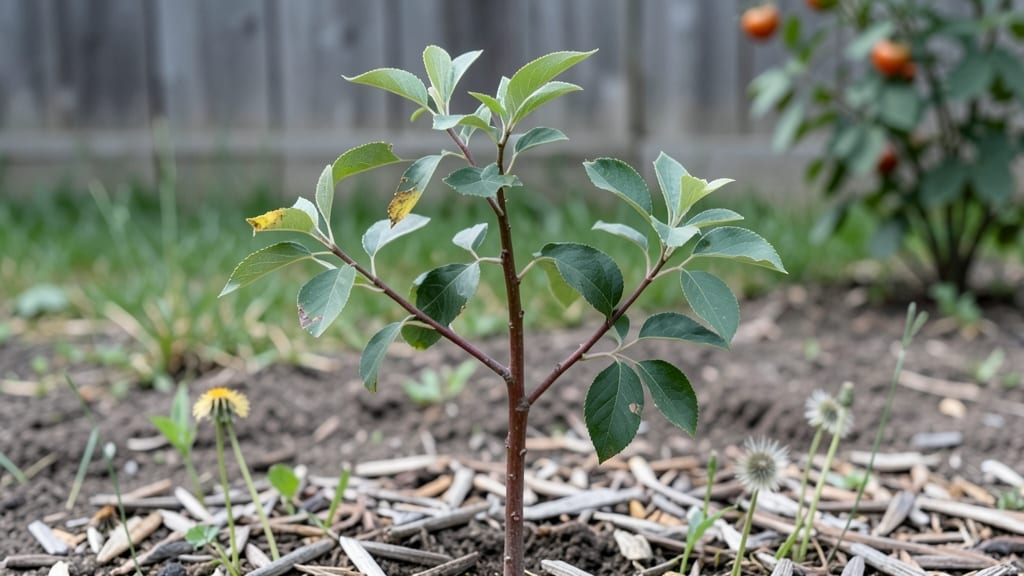
Growing a peach small plant from a dwarf variety or nursery sapling lets you enjoy homegrown fruit even in tiny spaces—my balcony peach tree produces 15 ripe peaches every summer in a 5-gallon container. The key difference between seed-grown plants and nursery starts?
Nursery saplings fruit in 2-3 years, while seed-grown trees take 5-7 years and may not match the parent tree’s flavor. That first harvest is worth the wait, though—nothing beats biting into a peach you nurtured from a tiny branch.
Start with the right variety: look for dwarf or semi-dwarf types like 'Bonanza' or 'Redhaven' that stay under 8 feet tall. You’ll need full sun (6+ hours daily), well-draining soil mixed with compost, and a 15-gallon container if planting in pots.
Water deeply twice a week in summer, letting the top inch of soil dry between sessions. Young trees need staking to support their weight, especially after heavy rain or wind—my first tree nearly toppled in a summer storm before I secured it properly.
Pruning young peach trees isn’t about shaping branches—it’s about airflow and sunlight. Cut back any crossing branches or those growing straight inward in late winter, and remove suckers (shoots at the base) immediately. The goal is a single strong trunk with open spacing between limbs.
By summer, you’ll see new leaf growth and maybe even a few tiny blooms—though don’t expect fruit that first year. The real magic happens in year two, when roots establish and the tree focuses on bearing fruit.
Here’s the secret most beginners miss: peach trees hate soggy roots. If your soil stays wet for more than a day, add perlite or sand to improve drainage. And watch for peach leaf curl—a fungal disease that puckers leaves in spring.
A copper fungicide spray in late fall prevents it, and I’ve never lost a tree to it since I started that routine. With the right care, your small peach plant will reward you with juicy, sun-warmed fruit—proof that great things grow from tiny starts.
📚 In This Guide
- What you need
- Instructions
- Tips and common mistakes
- Wrapping up and next steps
What you need
- ● Peach plant (dwarf variety): Choose a compact peach tree like ‘Bonanza,’ ‘Redhaven,’ or ‘Contender’ (available as bare-root or potted plants).
- ● Container or garden bed: Container option: 15–20 gallon pot (minimum 18" deep) with drainage holes. Pro tip: Terracotta or fabric pots work best! 💡
- ● Garden bed option: Well-draining soil in a sunny spot (6+ hours of sunlight daily).
- ● High-quality potting mix: 1 bag (1.5–2 cubic feet) of well-draining mix (e.g., 60% potting soil + 30% perlite + 10% compost).
- ● Slow-release fertilizer: 1 lb of balanced 10-10-10 or fruit-tree-specific granules.
- ● Mulch: 2–3 inches of organic mulch (straw, wood chips, or shredded bark) to retain moisture.
- ● Garden gloves: 1 pair (to protect your hands from thorns and soil).
- ● Trowel or small shovel: For planting and soil adjustments.
- ● Watering can or hose with a gentle spray nozzle: Peach plants hate soggy roots! ⚠️
- ● Pruning shears: Small, sharp pair (for shaping and removing dead branches).
- ○ pH testing kit (optional but helpful): Ensures soil pH is between 6.0–7.0 (peaches prefer slightly acidic to neutral soil).
- ○ Stakes or small trellis (optional): If your container lacks stability or you want to train the plant.
- ● Sunlight access: A south-facing or west-facing location (or artificial grow lights for indoor setups).
- ● Temperature range: Planting: Soil temp should be at least 60°F (15°C).
- ● Growing season: 65–85°F (18–29°C) (peaches are not frost-tolerant!). ❄️
- ● Water source: Consistent access to water (peach plants need 1–2 inches per week, more in heatwaves).
- ● Patience: Dwarf peach trees take 2–3 years to bear fruit (but the wait is worth it!). 🍑
Step-by-step instructions for growing compact peach trees
Here’s how to cultivate dwarf peach varieties that thrive in containers or tight spaces—no orchard needed.
Select the Right Compact Variety and Site
Choose a dwarf or semi-dwarf peach variety, such as ‘Bonanza,’ ‘Redhaven,’ or ‘Elberta,’ bred for small spaces. These trees stay under 10-12 feet tall when properly pruned. Plant in a location with full sun exposure (6-8 hours daily)—peaches demand warmth to fruit well. If growing in a container, ensure the pot is at least 18 inches deep and wide to accommodate root growth without crowding.
Test the soil pH before planting—peaches prefer slightly acidic to neutral soil (6.0-7.0). Amend heavy clay or sandy soil with 2-3 inches of compost mixed into the top 12 inches of soil. Avoid low-lying areas where cold air settles, as peaches are sensitive to late frosts. If your climate has harsh winters, choose a sheltered spot or container that can be moved indoors during extreme cold snaps.
Prepare the Planting Hole or Container
Dig a hole twice as wide as the root ball but no deeper than the container’s height. Loosen the sides of the hole with a shovel or hands to encourage root spread. For containers, use a well-draining potting mix blended with 20% perlite or coarse sand to prevent waterlogging. Avoid garden soil, which compacts and suffocates roots.
Place the tree at the same depth it was in the nursery pot—no deeper, as buried roots can rot. Gently spread the roots outward in the hole or container, ensuring they’re not circling or bent. Fill the hole or pot with the amended soil, pressing lightly to remove air pockets. Water deeply to settle the soil and eliminate gaps around the roots.
Water and Mulch for Retention
Water the newly planted peach tree deeply every 2-3 days for the first 2 weeks, then taper to once a week once established. Peaches are drought-sensitive, so 1 inch of water per week is ideal, but adjust for heatwaves or heavy clay soil. Avoid wetting the leaves or fruit to prevent fungal diseases like brown rot.
Apply 2-3 inches of organic mulch, such as wood chips or straw, around the base of the tree, keeping it 6 inches away from the trunk. Mulch retains moisture, regulates soil temperature, and suppresses weeds. Replenish mulch annually in late winter or early spring. Fertilize lightly in early spring with a balanced 10-10-10 fertilizer, using ½ pound per 100 square feet of soil or following container-specific guidelines.
Prune for Shape and Airflow
Prune your peach tree in late winter or early spring before new growth begins. Remove any dead, diseased, or crossing branches first, cutting back to the nearest healthy bud. Thin out 25% of the canopy to improve airflow and sunlight penetration, which reduces disease risk. Aim for an open-center shape with a strong central leader if growing upright, or a modified vase shape for dwarf varieties.
Watch for suckers—vigorous shoots growing from the base or roots—and remove them promptly to direct energy into fruit production. Avoid heavy pruning in summer, as it stresses the tree and can lead to weak growth. After pruning, apply a copper fungicide spray as a preventive measure against bacterial canker, a common peach tree disease.
Monitor for Pests and Diseases
Inspect leaves, branches, and fruit weekly for signs of pests like aphids, peach tree borers, or scale insects. Treat infestations early with neem oil or insecticidal soap, applying in the early morning or evening to avoid harming beneficial insects. For fungal issues like leaf curl or powdery mildew, use a fungicide labeled for stone fruits and improve airflow around the tree.
Thin fruit when they’re about 1 inch in diameter, leaving 6-8 inches between peaches to ensure larger, higher-quality harvests. Overcrowded fruit strains the tree and reduces size. Harvest peaches when they’re firm but yield slightly to gentle pressure, typically in late summer to early fall, depending on your variety and climate. Enjoy your compact peach tree’s bounty without the space demands of traditional varieties!
Tips & tricks for perfectly growing compact peach trees
Growing dwarf peach trees successfully requires attention to detail—these practical tips will help you avoid common pitfalls and maximize your tree's potential.
Variety Selection Matters: When choosing between 'Bonanza,' 'Redhaven,' or 'Elberta,' consider your climate zone. 'Bonanza' thrives in warmer regions, while 'Redhaven' handles cooler temperatures better. For containers, opt for 'Elberta' as it adapts well to root confinement. Remember, these varieties stay under 10-12 feet when properly pruned, but their fruit quality depends heavily on proper site selection with that critical 6-8 hours of daily sunlight.
Soil Preparation Secret: The 6.0-7.0 pH range is non-negotiable for peaches, but achieving it requires more than just testing. For heavy clay soil, mix in 2-3 inches of compost into the top 12 inches of soil and consider adding gypsum to improve drainage. In sandy soil, incorporate peat moss to retain moisture. I've seen peach trees struggle in amended soil that wasn't properly mixed—use a garden fork to thoroughly blend the compost into the native soil before planting.
Container Growing Insight: If growing in containers, your 18-inch minimum depth requirement is essential, but don't overlook the drainage system. Add a 2-inch layer of gravel at the bottom before the well-draining potting mix to prevent root rot. I've found that adding a slow-release fertilizer tablet to the planting mix provides nutrients during the critical first growing season when roots are establishing. Remember to use a pot with drainage holes—peaches hate soggy roots.
Watering Strategy: The initial 2-3 days of deep watering every 2 weeks is crucial, but don't rely solely on a schedule. Check moisture by inserting your finger 2 inches into the soil—if it's dry, water. During heatwaves, you may need to increase to every 2-3 days. The key is consistent moisture without waterlogging. I've seen many gardeners overwater in an attempt to keep soil moist, only to create anaerobic conditions that suffocate roots.
Pro Tips for Peach Small Plant
- Growing dwarf peach trees successfully requires attention to detail—these practical tips will help you avoid common pitfalls and maximize your tree's potential.
- Variety Selection Matters: When choosing between 'Bonanza,' 'Redhaven,' or 'Elberta,' consider your climate zone.
- Soil Preparation Secret: The 6.0-7.0 pH range is non-negotiable for peaches, but achieving it requires more than just testing.
Frequently asked questions
Got questions about growing peach small plants? You’re not alone! Here are some of the most common queries—plus straightforward answers to help you succeed.
What are the best compact peach varieties for containers?
Look for dwarf or semi-dwarf varieties like Bonanza, Redhaven (dwarf grafted), or Peach ‘Bonanza’. These stay under 8–10 feet tall and thrive in 15–25 gallon pots with proper support. Avoid standard varieties—they’ll outgrow your space!
How long does it take for a small peach plant to bear fruit?
Patience is key! Dwarf peach trees typically take 2–4 years to produce fruit, depending on climate and care. Young trees focus on root/leaf growth first—so don’t rush them! Cross-pollination (planting two varieties) may also be needed for fruit set.
Can I grow a peach tree from a seed?
Technically yes, but not recommended for fruit quality. Seed-grown trees take 5–7 years to bear fruit (if ever) and may not match the parent plant’s traits. Stick to grafted dwarf varieties for reliable, early harvests and consistent flavor.
How much sun does a small peach plant need daily?
Peach trees are sun-worshippers! Aim for 6–8 hours of full sun daily. In containers, place them in the sunniest spot (south or west-facing). Less sun = fewer flowers/fruit, and leggy growth. A partial shade spot in extreme heat (afternoon shade) can help.
What pests should I watch for in container-grown peach trees?
Common culprits include:
- Aphids: Tiny green/black bugs on new leaves—spray with water or neem oil.
- Peach leaf curl: Fungal disease causing red, curled leaves—prune infected branches and apply copper fungicide before buds swell in spring.
- Japanese beetles: Skewer leaves with their feeding—handpick or use row covers.
Inspect leaves weekly and act fast to prevent spread!
Wrapping up and next steps
Growing a peach small plant is a rewarding way to enjoy fresh, homegrown fruit—even in limited spaces! Whether you’re using dwarf varieties or containers, the key is patience, proper care, and a little creativity.
With the right compact peach tree and techniques, you’ll soon be harvesting juicy peaches right from your balcony or backyard. 🌱
Ready to take the next step? Start by selecting your favorite dwarf peach tree and give it the love it deserves. Happy planting—and here’s to a sweet harvest ahead! 🍑✨