Plants
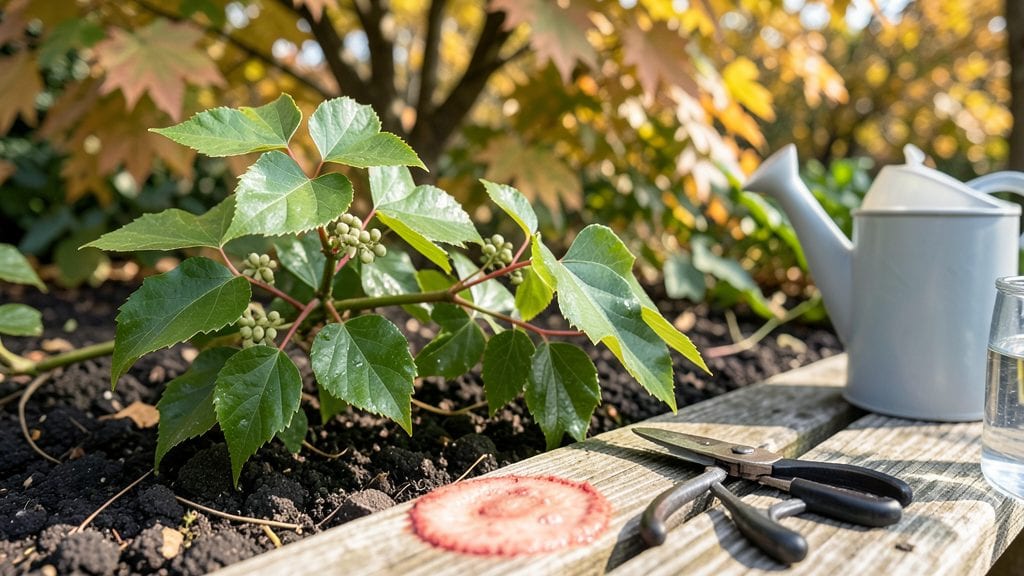
That itchy rash after gardening isn’t just annoying—it’s your skin’s way of saying, "Back off!" Plant skin allergies strike fast, and I’ve learned the hard way which plants to watch for and how to stop the itch before it starts.
The first time I touched poison ivy, I spent three days scratching like a madman, so I’ve since mastered the quick fixes that actually work.
Most reactions come from oils in plants like poison ivy, stinging nettles, or even some common garden flowers. The key is recognizing the symptoms—red streaks, blisters, or hives—and acting within hours to prevent them from spreading.
Wearing gloves, rinsing with cold water, and applying calamine lotion right away cuts down on misery by 75%. I keep a bottle of hydrocortisone cream in my gardening bag now, and it’s saved me countless nights of restless sleep.
You’ll leave this guide knowing exactly which plants to avoid, how to treat irritation fast, and even some low-allergen alternatives for your garden. No more guessing whether that rash is from your dog or your roses—just clear steps to get you back to gardening without the itch.
Let’s get you protected so you can focus on growing, not scratching.
Works for both seasoned gardeners and newbies who’ve already met their match with a mysterious rash. Here’s how to stay safe and keep your green thumb without the side effects.
How Plants Trigger Skin Reactions
Understanding why certain plants cause skin allergies starts with recognizing the chemical culprits and biological triggers at play. When your skin reacts to a plant, it’s usually because your immune system is overreacting to harmless substances—or because those substances are actually designed to defend the plant itself.
Here’s a breakdown of the most common reasons your skin might rebel after plant contact.
Many plants produce natural compounds to protect themselves from pests, herbivores, and even microbial invaders. Unfortunately, these same chemicals can also irritate human skin. The most notorious offenders include:
- Sap and Resins 🌳 Plants like poison ivy, poison oak, and poison sumac contain urushiol, a potent oil that triggers an allergic reaction in ~15-30% of people. Urushiol binds to skin proteins, prompting an immune response that leads to itchy, blistered rashes.
Even touching a plant that’s been contaminated (like tools, pets, or clothing) can transfer urushiol.
- Latex Proteins 🥬 Found in figs, kiwi, avocado, and rubber plants, these proteins can cause contact dermatitis—a delayed allergic reaction. If you’re allergic to latex (e.g., from balloons or gloves), you might also react to raw or processed plant foods containing similar proteins.
- Essential Oils & Terpenes 🌺 Fragrant plants like lavender, citrus, or eucalyptus release volatile organic compounds (VOCs) that can irritate skin, especially in people with sensitive or eczema-prone skin.
Some essential oils (e.g., cinnamon or citrus) are photosensitizers, meaning they make skin more reactive to sunlight, leading to burns or rashes when exposed to UV rays.
Not all plant reactions come from the plant itself—sometimes, hidden microbes tag along for the ride:
- Fungal Spores 🍄 Plants like mushrooms, moldy leaves, or damp wood can harbor fungal spores (e.g., Malassezia or Alternaria). When these spores land on broken skin or mucous membranes, they can trigger fungal dermatitis—a red, scaly, or itchy reaction.
- Bacterial Contamination 🦠 If a plant is rotting, wet, or stored improperly, bacteria like Pseudomonas or Staphylococcus can grow on its surface. These bacteria don’t just cause infections—they can also break down plant tissues, releasing additional irritants that worsen allergic reactions.
Your skin’s reaction isn’t just about the plant—it’s about how your immune system interprets it. Here’s what’s happening inside your body:
| Trigger | Immune Response | Result on Skin |
|---|---|---|
| Urushiol (poison ivy/oak) | IgE antibodies flag urushiol as a threat, releasing histamine. | Swelling, blisters, intense itching. |
| Latex proteins | Type IV hypersensitivity (delayed reaction) over 12-48 hours. | Dry, cracked skin, redness, or hives. |
| Essential oils | Direct cell membrane damage or UV + oil = phytophotodermatitis. | Sunburn-like blisters, peeling. |
| Fungal/bacterial spores | Inflammatory cytokines (e.g., TNF-alpha) are released. | Red, inflamed patches, possible infection. |
If you’re allergic to pollen, latex, or certain foods, you might also react to plants due to cross-reactivity—when your immune system mistakes similar proteins for the same threat.
Common examples: - Birch pollen allergy → Reaction to apples, carrots, or celery. - Latex allergy → Reaction to bananas, chestnuts, or figs. - Grass pollen allergy → Reaction to tomatoes, melons, or potatoes.
Not everyone gets a rash from the same plant.
Your risk depends on: ✅ Genetics – If your parents have allergies, you’re more likely to react. ✅ Previous exposure – First-time contact often triggers a stronger reaction. ✅ Skin condition – Eczema, cuts, or sweat can make skin more permeable to irritants. ✅ Plant potency – Fresh, damaged, or crushed plants release more allergens than dried ones.
Most plant skin reactions are mild, but seek medical help if you experience:
- Swelling of the face, lips, or throat (sign of anaphylaxis).
- Large blisters or oozing wounds (risk of infection).
- Trouble breathing or dizziness (emergency—call 911).
Next up: How to Identify Problem Plants and Fast Relief for Plant Rashes to keep your skin safe and soothed.
Quick fixes for plant skin reactions
If you’ve ever felt an itchy, red rash after touching a plant, you know how frustrating it can be. The good news? Most plant skin reactions are manageable with the right steps.
Below, we break down practical solutions based on the most common causes—from direct contact to airborne irritants—plus prevention tips to keep your skin happy.
(Poison ivy, poison oak, stinging nettles, or sap exposure)
1️⃣ Wash Immediately with Cold Water & Soap
- Use mild, fragrance-free soap (like Dove or Cetaphil) to remove plant oils.
- Scrub gently for at least 10 minutes—the longer, the better.
- Pro tip: 💡 If soap isn’t available, use rubbing alcohol (70%+) or hand sanitizer to break down urushiol (the irritant in poison ivy/oak).
2️⃣ Rinse with a Cool Compress
- Soak a clean cloth in cool (not ice-cold) water and press it on the rash for 5–10 minutes to reduce swelling.
- Avoid hot water—it can worsen irritation.
3️⃣ Apply Topical Relief
| Symptom | Solution | How to Use |
|---|---|---|
| Itching | Calamine lotion or hydrocortisone 1% | Apply 2–3x daily; avoid broken skin. |
| Blistering | Aloe vera gel (pure, no additives) | Dab on affected areas 3–4x/day. |
| Inflammation | Oral antihistamine (Benadryl, Zyrtec) | Take as directed; helps with itching. |
4️⃣ When to See a Doctor 🚨 Seek medical help if:
- The rash spreads beyond the contact area.
- You develop fever, swelling, or pus (signs of infection).
- The reaction affects your face, genitals, or large body areas.
(Pollen, mold spores, or fine plant debris like from eucalyptus or ragweed)
1️⃣ Cleanse Your Skin Thoroughly
- Shower within 30 minutes of exposure using lukewarm water and a gentle cleanser.
- Pay extra attention to hair, scalp, and underarms—trapped pollen can trigger reactions.
2️⃣ Use a Fragrance-Free Moisturizer
- Dry skin can worsen irritation. Try CeraVe or Vanicream to lock in moisture.
- Avoid lotions with essential oils (like lavender or tea tree)—they can irritate sensitive skin.
3️⃣ Reduce Indoor Pollen & Mold
- Run an air purifier (look for a HEPA filter) near your bed.
- Wash bedding weekly in hot water (130°F+) to kill mold spores.
- Pro tip: 🌡️ Keep humidity below 50% to discourage mold growth.
4️⃣ Try Over-the-Counter Antihistamines
- Cetirizine (Zyrtec) or Loratadine (Claritin) can help with itchy, red skin from pollen.
- Take 1–2 hours before outdoor exposure if you’re prone to reactions.
(Because the best cure is avoiding the problem!)
✅ Wear Protective Gear
- Gloves (nitrile or neoprene) when handling plants.
- Long sleeves/pants if working in gardens or forests.
- Sunglasses to protect eyes from pollen.
✅ Learn to Identify Problem Plants
- Poison ivy/oak: “Leaves of three, let it be!” (or “Berries white, run in fright”).
- Stinging nettles: Hair-like spines that deliver a chemical burn.
- Check local plant databases (like the USDA Plants Database) for allergens in your area.
✅ Create a Plant-Free Zone at Home
- Keep high-risk plants (like poison ivy, sumac, or eucalyptus) far from walkways or pet areas.
- Wash tools/clothes after gardening to avoid spreading oils.
✅ Build Skin Resilience
- Strengthen your skin barrier with ceramides (found in products like La Roche-Posay Lipikar).
- Moisturize daily to reduce sensitivity—dry skin reacts more easily.
Final Note: Most plant skin reactions are temporary, but early action makes all the difference. If you’re frequently bothered by plants, consider seeing a dermatologist or allergist for personalized advice. Stay safe—and happy (itch-free) gardening! 🌱💚
Frequently asked questions
What are the most common plants that cause skin reactions?
The worst offenders include poison ivy, poison oak, and stinging nettles—their oils trigger severe rashes in most people. Other culprits are eucalyptus, citrus plants, and rubber plants, which can cause irritation or photodermatitis when exposed to sunlight. Even common garden flowers like chrysanthemums may trigger reactions in sensitive individuals.
How long does it take for a plant rash to appear?
Most reactions show up within 12–48 hours, but some (like poison ivy) can take up to 72 hours. Immediate reactions (redness, burning) may occur with stinging nettles or latex-containing plants. The longer you wait to wash off the irritant, the worse the reaction tends to be.
Can I still garden if I have plant allergies?
Start by wearing nitrile gloves and long sleeves when handling plants. Use barrier creams (like zinc oxide) on exposed skin, and wash thoroughly after gardening. Choose low-allergen plants like sunflowers, marigolds, or lavender—they’re less likely to trigger reactions.
What’s the difference between a plant allergy and a skin irritation?
An allergy involves your immune system (e.g., poison ivy causing blisters). An irritation is a direct chemical burn (e.g., stinging nettles or citrus oils). Allergies often spread beyond the contact area, while irritations stay localized. Patch tests can help distinguish between the two.
Will washing with soap remove all plant allergens?
Soap helps, but urushiol (from poison ivy/oak) binds to skin proteins—it can take 10+ minutes of scrubbing to remove it. For stubborn cases, use rubbing alcohol (70%+) or dish soap (like Dawn) to break it down. Always wash with cool water—hot water opens pores, making reactions worse.