Succulent
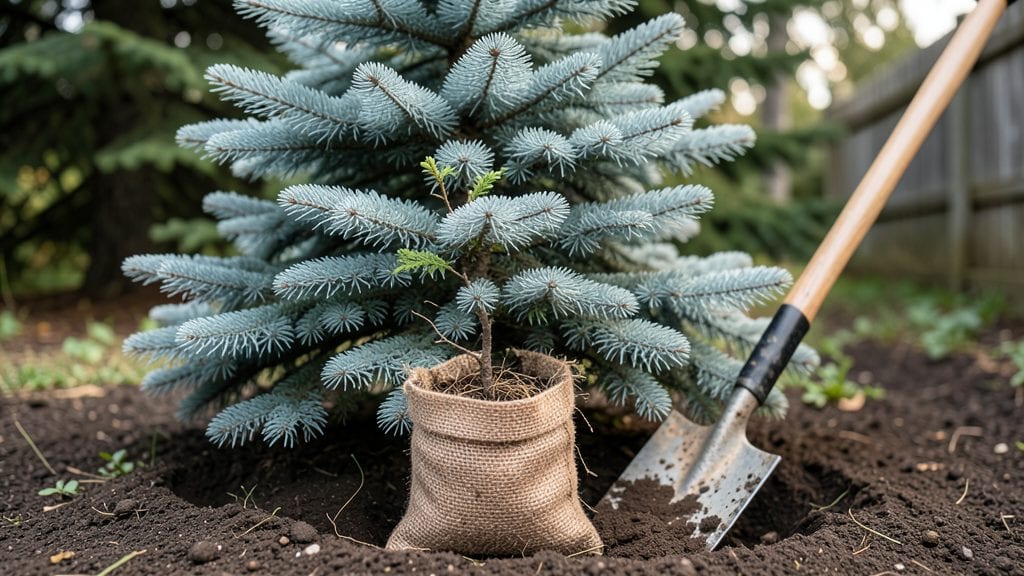
Planting blue spruce trees gives your yard that sharp, symmetrical look that makes neighbors pause and ask, "How'd you do that?" The secret isn't just the planting—it's the patient, precise care that turns a 5-foot sapling into a 30-foot statement piece over decades.
I've planted dozens, and the ones that thrive share three things: the right spot, well-draining soil, and a watering routine that doesn't smother the roots.
Start with a hole twice as wide as the root ball but only as deep—blue spruce hate sitting too low.
Mix in compost or pine bark fines for that sandy, acidic soil they crave, then place the tree so the top of the root ball sits 1-2 inches above ground level. This prevents rot and encourages strong root growth.
Most beginners overwater at first, but blue spruce are tough once established—think of them as drought-tolerant once their roots spread.
By year three, you'll see that signature steel-blue foliage filling out, with branches forming a perfect cone. The key to long-term success? Mulching with pine needles to keep moisture in and weeds out, plus annual pruning to shape those lower branches.
Skip the shears in the first five years—let the natural form develop. Within a decade, that sapling becomes the centerpiece of your landscape.
This works for both urban yards and rural properties—just adjust spacing. Plant them 15-20 feet apart for full growth, and avoid planting near sidewalks unless you want to prune like a pro.
The payoff? A tree that stays green year-round, resists pests, and outlives you—if you give it the right start. Let's get those roots in the ground.
📚 In This Guide
- What you need
- Instructions
- Tips and common mistakes
- Wrapping up and next steps
What you need
- ● Blue Spruce Tree: 1 healthy sapling (3–5 feet tall, depending on desired growth timeline). Choose a Picea pungens 'Glauca' variety for that classic blue hue!
- ● Shovel: 1 medium-sized digging shovel (for planting holes and soil prep). A flat-edged shovel works best for precision.
- ● Garden Gloves: 1 pair (to protect your hands from rough soil and sap). Opt for breathable, durable materials like leather or reinforced fabric.
- ● Mulch: 2–3 bags (3–4 cubic feet each) of organic mulch (pine bark, wood chips, or shredded leaves). Keep it 3–4 inches deep around the base.
- ● Well-Draining Soil: 1–2 cubic yards of loamy, slightly acidic soil (pH 6.0–7.0). Amend with compost or peat moss if your soil is heavy or clay-like.
- ● Watering Can or Hose: 1 (with a gentle spray nozzle for delicate watering). Aim for 1–2 gallons per watering in the first few weeks.
- ● Stakes & Twine: 1–2 wooden stakes (2–3 feet tall) and twine (for young trees in windy areas). Use biodegradable options if possible.
- ● Fertilizer: Slow-release evergreen-specific fertilizer (e.g., 10-10-10 or 12-4-8 ratio). Apply once in early spring and again in mid-summer.
- ● Tree Guards: 1–2 plastic or metal guards (to protect young trunks from rodents or lawn equipment). Choose breathable mesh for flexibility.
- ● Soil pH Test Kit: 1 (to check acidity levels before planting). Blue Spruce thrives in slightly acidic to neutral soil.
- ● Pruning Shears: 1 pair (for shaping or removing dead branches post-planting). Sterilize blades with rubbing alcohol before use!
- ● Post-Hole Digger: 1 (if planting in a lawn or tight space to create a precise hole). A manual or auger-style digger works well.
Instructions for planting blue spruce trees
Here’s how to plant your blue spruce for strong, healthy growth and maximum height potential.
Choose the Right Planting Location
Blue spruce thrive in full sun—select a spot that receives at least 6 hours of direct sunlight daily. Avoid low-lying areas where cold air settles, as this can damage young roots. The soil should be well-draining; if your yard has heavy clay, amend it with 2-3 inches of compost mixed into the top 12 inches of soil.
Dig a hole twice as wide as the root ball but only as deep. The top of the root ball should sit 1-2 inches above ground level—this prevents water from pooling around the trunk. If planting multiple trees, space them 15-20 feet apart to allow for mature growth without overcrowding.
Prepare the Root Ball and Plant
Remove the blue spruce from its container and gently loosen the roots around the edges with your fingers. If the root ball is tightly bound, use a knife to make 2-3 vertical cuts around the perimeter to encourage outward root growth. This step is critical—compacted roots struggle to establish in new soil.
Place the tree in the hole and backfill with native soil, tamping lightly every 3-4 inches to eliminate air pockets. Water deeply to settle the soil around the roots. The goal is firm but not compacted soil—think of a damp sponge, not a brick.
Mulch and Water for Establishment
Spread 2-3 inches of mulch (like pine straw or shredded bark) in a 3-foot diameter circle around the base, keeping it 6 inches away from the trunk to prevent rot. Mulch retains moisture and regulates soil temperature, which is especially helpful in the first 1-2 years while the tree establishes.
Water deeply 2-3 times per week during the first growing season, ensuring the soil stays consistently moist but not soggy. Overwatering suffocates roots, while underwatering stresses the tree. You’ll know you’re doing it right when water drains through the soil within 15-30 minutes—no standing puddles.
Protect and Monitor Young Growth
Young blue spruce are vulnerable to deer, rabbits, and winter winds. Install a tree guard (available at nurseries) or wrap the trunk with burlap for the first 2-3 years to deter browsing animals. In exposed areas, stake the tree temporarily with 2-3 flexible stakes and soft ties to prevent swaying in strong winds.
Check the tree weekly for signs of stress: yellowing needles, wilting, or sparse growth. These are red flags—adjust watering or sunlight exposure as needed. Blue spruce are drought-tolerant once established, but young trees need consistent care to develop a strong root system.
Prune and Maintain for Long-Term Health
Prune only to remove dead, damaged, or crossing branches—never "thin" a blue spruce for shape, as this can harm its natural form. Use clean, sharp pruners to make cuts just outside the branch collar. The best time to prune is late winter or early spring, before new growth begins.
Fertilize lightly in early spring with a slow-release, balanced fertilizer (10-10-10 ratio) if the tree shows signs of nutrient deficiency, like pale needles or stunted growth. Over-fertilizing can burn roots, so follow package instructions carefully. With proper care, your blue spruce will grow 1-2 feet per year and reach its full majestic height.
Tips & tricks for planting blue spruce trees
Planting blue spruce successfully comes down to understanding a few key details that make all the difference between a struggling sapling and a thriving evergreen. Here's what I've learned from years of working with these majestic trees.
Soil Preparation is Everything: Before planting, test your soil's drainage by digging a hole and filling it with water. If it doesn't drain within 15-30 minutes, you'll need to amend the soil with more compost or create a raised bed. Blue spruce roots need oxygen as much as they need water, and poor drainage is the #1 reason they fail in their first year. In Step 1, when you're mixing in that 2-3 inches of compost, focus on the top 12 inches of soil where most roots will establish.
Root Ball Handling Technique: The way you handle the root ball in Step 2 can determine how quickly your tree establishes. After loosening the roots, soak the entire root ball in water for 10-15 minutes before planting. This helps rehydrate any roots that may have dried out during transport. When you make those 2-3 vertical cuts, angle them slightly downward to encourage roots to grow outward rather than circling the root ball - this is called "root pruning" and it's a game-changer for tree health.
Mulching Strategy: That 2-3 inches of mulch in Step 3 isn't just for looks - it's a critical moisture regulator. For the first year especially, keep the mulch moist but never soggy. I've seen many gardeners over-mulch, creating a barrier that prevents water from reaching the roots. The 3-foot diameter circle should be just that - a circle, not a mound. And remember, that 6-inch clearance from the trunk prevents rot while still protecting the shallow roots that spread outward.
Watering Wisdom: The "deeply 2-3 times per week" guideline in Step 3 is perfect, but timing matters just as much as quantity. Water in the early morning so the foliage has all day to dry, preventing fungal diseases. And when you're checking for proper drainage (water should drain in 15-30 minutes), pay attention to the soil color after watering - it should be dark brown, not gray or pale. Gray soil means it's waterlogged, while pale soil indicates it's too dry.
Pro Tips for Planting Blue Spruce
- Planting blue spruce successfully comes down to understanding a few key details that make all the difference between a struggling sapling and a thriving evergreen.
- Soil Preparation is Everything: Before planting, test your soil's drainage by digging a hole and filling it with water.
- Root Ball Handling Technique: The way you handle the root ball in Step 2 can determine how quickly your tree establishes.
Frequently asked questions
Got questions about planting and growing your blue spruce? You’re not alone! Here are some of the most common concerns—and their answers—to help you master your evergreen’s growth from day one.
When is the best time to plant a blue spruce?
The ideal window is early spring or fall (4–6 weeks before the first frost). This gives roots time to establish before extreme heat or cold. Avoid planting in summer—young trees struggle with transplant shock in scorching weather.
How close can I plant my blue spruce to my house or fence?
Keep it at least 10–15 feet away from structures to avoid root competition and future pruning headaches. For fences, 5–8 feet is safe, but check local codes—some areas require setbacks for mature tree height (up to 60+ feet!).
How often should I water a newly planted blue spruce?
Water deeply 2–3 times per week for the first year, ensuring soil stays consistently moist (not soggy). After establishment, water once a week unless drought strikes. Mulch (3–4 inches) retains moisture and protects roots.
What pests or diseases should I watch for with blue spruce?
Common threats include spruce beetles (look for sawdust-like frass) and bagworms (silky nests). Fungal issues like rhizoctonia can attack young trees. Preventative tip: Inspect needles monthly and treat early with neem oil or insecticidal soap.
Can I grow a blue spruce in a container, or is it better in the ground?
While possible, ground planting is ideal—blue spruces thrive with deep root systems. If container-grown, use a large pot (15+ gallons), well-draining soil, and repot every 2–3 years. Expect slower growth and shorter lifespan compared to in-ground trees.
Wrapping up and next steps
Planting a blue spruce is a rewarding way to add year-round beauty and structure to your landscape—plus, their striking silvery-blue needles are a showstopper! 🌲 Whether you’re a seasoned gardener or just starting, the key is patience, proper site prep, and a little TLC.
With the right spacing, soil care, and watering routine, your tree will thrive for decades, becoming a stunning focal point.
Now that you’re armed with 5 expert steps, it’s time to roll up your sleeves! 💪 Next up: Mark your planting spot, grab your shovel, and give your blue spruce the perfect start. Ready to watch it grow into a majestic evergreen? Let’s dig in!