Trees
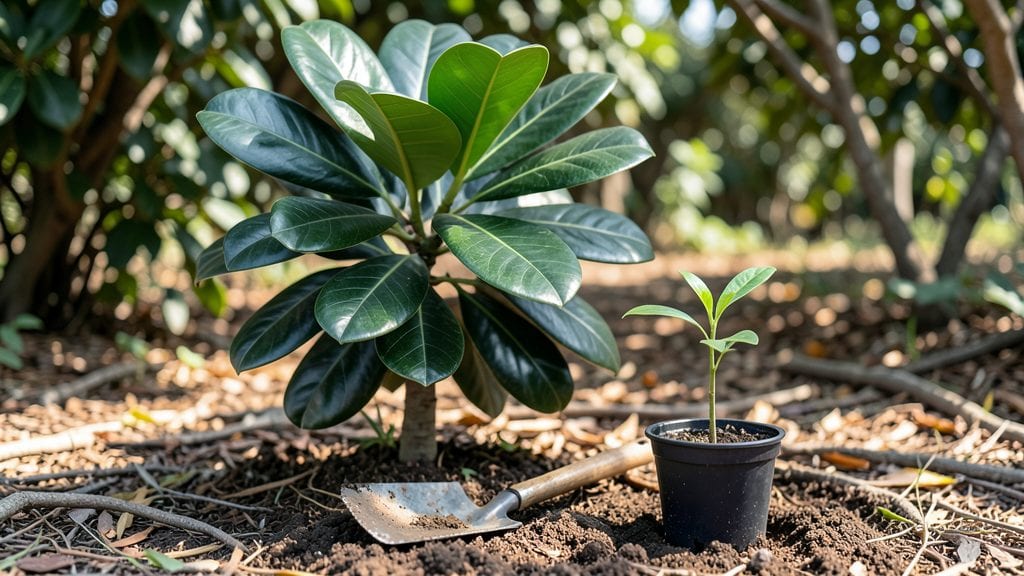
Planting box trees in containers lets you grow stunning small trees where space is tight—my dwarf Japanese maple in a 15-gallon pot has been the star of my patio for three summers.
The key is choosing the right variety: sun-loving types like boxwood 'Green Velvet' or 'Little Gem' magnolia handle containers beautifully, while avoiding fast-growing species that outpace their pots.
You’ll need a container at least 12-18 inches deep with drainage holes, a well-draining soil mix (equal parts potting soil, perlite, and compost), and a spot with 6+ hours of sun daily.
Most people underestimate watering needs—container trees dry out faster than in-ground plants, so check soil moisture every 2-3 days in summer. Mulch helps retain moisture without smothering roots.
Once planted, your box tree will reward you with glossy foliage and compact growth, staying manageable even as it matures. Prune lightly in early spring to encourage bushiness, and fertilize monthly with a balanced 10-10-10 mix during growing season.
The biggest mistake? Ignoring root-bound signs—yellowing leaves or roots circling the pot mean it’s time to repot.
Seasonal shifts matter: move containers indoors during hard frosts (if your zone drops below 15°F**), and reduce watering in winter. With the right care, your container box tree will outlive store-bought plants and become a year-round focal point. Ready to get started?
📚 In This Guide
- What you need
- Instructions
- Tips and common mistakes
- Wrapping up and next steps
What you need
- ● Box tree plants (3–5, depending on desired fullness; choose Buxus sempervirens or Buxus microphylla for compact varieties).
- ● Planting box or container (width/depth: at least 12–18 inches per tree; ensure drainage holes).
- ● High-quality potting mix (well-draining, peat-free blend like 50% potting soil + 50% perlite/sand).
- ● Slow-release fertilizer (balanced, 10-10-10 or 20-20-20, 1 tbsp per plant).
- ● Mulch (organic, like pine bark or coco coir, 1–2 inches thick).
- ● Garden trowel or small shovel (for digging).
- ● Gloves (gardening or work gloves).
- ● Watering can or hose with gentle spray nozzle.
- ● Pruning shears (for shaping after planting).
- ● Measuring tape or ruler (to space plants 12–18 inches apart).
- ● Container liner (to protect outdoor planters from weather).
- ● Plant support stakes (if planting in windy areas).
- ● Organic liquid fertilizer (for a mid-season boost).
- ● Decorative stones or edging (to enhance aesthetics).
Instructions for planting box trees in containers
Here's how to establish sun-loving boxwoods with precision for long-term health and shape.
Select and Prepare the Right Container
Choose a container at least 12 inches deep and wide for each box tree, since they develop extensive root systems. I recommend unglazed ceramic or terracotta pots—they allow moisture to evaporate through the sides, preventing root rot in their native Mediterranean climate. Ensure the pot has multiple drainage holes at the bottom; if not, drill three additional holes spaced evenly around the base.
Line the bottom with a 2-inch layer of gravel or coarse sand to create a drainage reservoir. This prevents water from pooling against the roots, which boxwoods despise. Place the pot in a saucer or tray to catch any excess water that drains out—boxwoods are drought-tolerant once established, but they won’t forgive soggy roots.
Amend Soil for Optimal Drainage and Aeration
Fill the pot halfway with a mix of equal parts potting soil and coarse sand or perlite. Boxwoods thrive in well-draining, slightly acidic soil (pH 6.0-7.0), so avoid garden soil, which compacts and suffocates roots. I like to add a handful of compost to the mix for nutrients without altering the soil’s structure too much.
Moisten the soil mixture until it’s evenly damp but not soggy—think of it as wringing out a damp sponge. Press it lightly into the pot to eliminate air pockets, but don’t compact it. The goal is a loose, crumbly texture that allows roots to spread freely. This step is critical; boxwoods are slow growers, and poor soil quality will stunt them for years.
Plant with Care to Preserve Root Structure
Remove the box tree from its nursery pot and gently loosen the root ball with your fingers if it appears tightly bound. Place the plant in the container so the top of the root ball sits 1 inch below the rim—this allows room for mulch and prevents water from spilling over the edges during irrigation. Fill the remaining space with the prepared soil mix, pressing lightly around the edges to eliminate air gaps.
Water the newly planted boxwood thoroughly until water runs freely from the drainage holes. This ensures the roots make immediate contact with moisture. Avoid fertilizing for the first 4-6 weeks—newly planted boxwoods focus their energy on root establishment, not foliage growth. Over-fertilizing at this stage can burn tender roots.
Position for Sunlight and Wind Protection
Boxwoods require full sun (6+ hours daily) to maintain their dense, glossy foliage and compact growth habit. Place the container in a south-facing location where it receives unfiltered light. If you’re in a hot climate, provide afternoon shade to prevent leaf scorch—boxwoods can handle heat but not intense afternoon sun combined with dry air.
Protect the tree from strong winds, which can desiccate leaves and stunt growth. If your patio or balcony is exposed, position the pot near a sheltered wall or fence. Mulch the soil surface with 1 inch of pine bark or shredded leaves to retain moisture and regulate soil temperature. Replenish the mulch annually, as it breaks down over time.
Water and Prune for Long-Term Health
Water boxwoods deeply once a week during the growing season, allowing the top 2 inches of soil to dry out between waterings. In containers, they dry out faster than in-ground plants, so check moisture levels by inserting your finger into the soil. Overwatering is the most common mistake—boxwoods are surprisingly drought-resistant once established.
Prune lightly in early spring to shape the tree and encourage bushiness. Use clean, sharp pruners to make cuts just above a leaf bud or branch junction. Avoid heavy pruning, which can stress the plant. I like to give boxwoods a light haircut—removing no more than one-third of the new growth—to maintain their natural form without sacrificing vigor.
Tips & tricks for perfectly planting box trees in containers
Establishing boxwoods in containers requires attention to detail—these insights will help you create the ideal growing conditions for long-term success.
Container Selection Matters: While unglazed ceramic or terracotta pots are ideal, you can also use fiberglass or plastic containers as long as they have proper drainage. The key is ensuring the pot is at least 12 inches deep and wide—boxwoods develop extensive root systems that need room to grow. Avoid metal containers, which can heat up excessively in sunlight and damage roots.
Soil Mix Precision: When creating your equal parts potting soil and coarse sand or perlite mix, sift the ingredients together to achieve a uniform texture. This prevents pockets of compacted soil that could suffocate roots. For an extra boost, mix in a handful of worm castings instead of regular compost—they provide nutrients without altering soil structure as dramatically.
Root Ball Positioning: Placing the top of the root ball 1 inch below the rim isn't just about aesthetics—it creates space for mulch that will protect against temperature fluctuations. This positioning also prevents water from spilling over during irrigation, which can lead to fungal issues. After planting, gently press the soil around the edges to eliminate air pockets without compacting it.
Watering Strategy: The "deeply once a week" guideline assumes average conditions, but container-grown boxwoods dry out faster than in-ground plants. In hot climates, you may need to water every 5-6 days, while cooler, humid conditions might extend this to 10 days. Always check moisture by inserting your finger 2 inches into the soil—this is more reliable than guessing.
Pro Tips for Planting Box Trees
- Establishing boxwoods in containers requires attention to detail—these insights will help you create the ideal growing conditions for long-term success.
- Container Selection Matters: While unglazed ceramic or terracotta pots are ideal, you can also use fiberglass or plastic containers as long as they have proper drainage.
- Soil Mix Precision: When creating your equal parts potting soil and coarse sand or perlite mix, sift the ingredients together to achieve a uniform texture.
Frequently asked questions
Got questions about planting box trees in small spaces? You’re not alone! Here are some of the most common concerns—and their answers—to help you grow confidently.
What’s the best time of year to plant boxwood trees in containers?
Plant your boxwoods in early spring or early fall for the best results. Avoid extreme heat or frost—these trees prefer moderate temperatures (50–70°F) to establish roots without stress. If planting in summer, water deeply daily and provide afternoon shade for the first few weeks.
How big should my planting box be for a mature boxwood tree?
For a mature boxwood (5–6 feet tall), aim for a container at least 18–24 inches deep and wide. Dwarf varieties (like ‘Green Mountain’) can thrive in 12–15-inch boxes, but always include drainage holes and 3–4 inches of gravel at the bottom to prevent root rot.
Why are my boxwood leaves turning brown or yellow?
Brown/yellow leaves usually signal overwatering, underwatering, or poor drainage. Check the soil—it should stay slightly moist but not soggy. If leaves crisp at the edges, it’s dry; if they wilt or smell foul, you’re overdoing it. Fungal issues (like powdery mildew) can also strike—prune affected branches and treat with neem oil if needed.
Can I grow boxwoods in containers year-round, or do they need winter protection?
Boxwoods are hardy to USDA Zones 5–8, but containers freeze faster than ground soil. In winter, move pots to a protected spot (like a garage or against a south-facing wall) or wrap them in burlap. Mulch the top of the soil with 2–3 inches of straw to insulate roots. Avoid fertilizing in late fall—it encourages tender new growth.
Are there boxwood alternatives for containers that need less pruning?
If pruning feels like a chore, try these low-maintenance sun-loving shrubs:
- Dwarf Japanese Holly (‘Sky Pencil’): Grows upright with minimal trimming.
- Lavender: Fragrant, drought-tolerant, and thrives in 12-inch pots.
- Russian Sage: Silvery foliage and purple blooms; loves heat and dry soil.
- Crepe Myrtle (dwarf varieties): Stunning flowers with seasonal color changes.
Wrapping up and next steps
Planting box trees in small spaces is a fantastic way to bring greenery, shade, and beauty into your life—without needing a sprawling yard! 🌿 Whether you choose a compact Japanese maple, a sturdy Chinese pistache, or a fragrant ornamental pear, these sun-loving varieties prove that big impact comes in small packages.
With the right soil, sunlight, and care, your box tree will thrive and become the star of your outdoor (or indoor!) corner.
Now that you’re ready to plant, take the next step—grab your tools, pick your favorite variety, and get growing! Watch your tiny tree transform into a lush, leafy haven in no time. Happy planting! 🌱✨