
Container Gardens
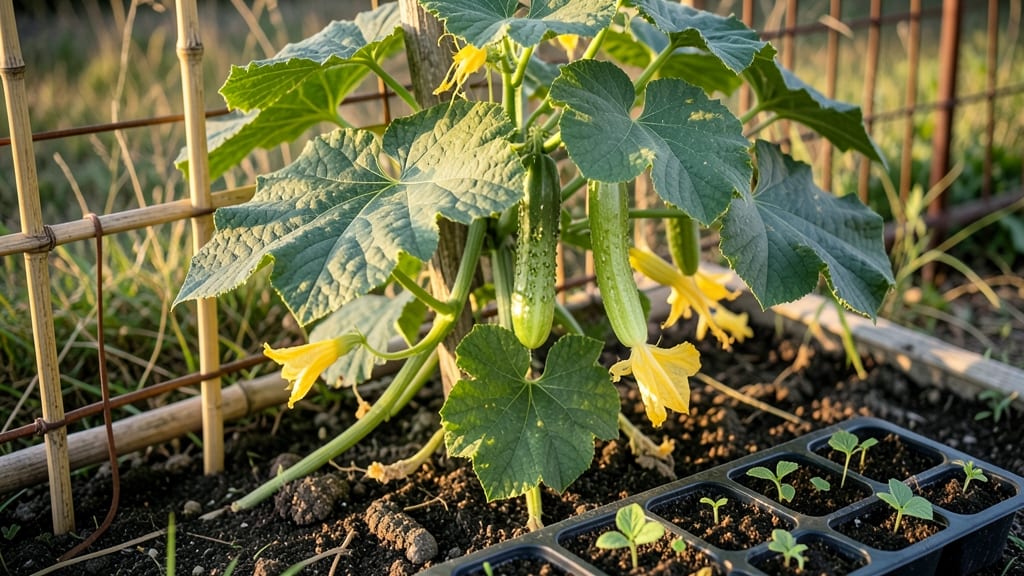
Planting lemon cucumbers in your garden is like inviting sunshine into your kitchen—bright, zesty, and impossible to ignore. 🌱 These crisp, tangy gems need full sun and sturdy trellises to shine, but once they get it right, they reward you with a harvest that tastes nothing like the bland store-bought varieties.
My first attempt last summer taught me that proper spacing and soil prep make all the difference between a few sad vines and a jungle of productive plants.
The trick starts with well-draining soil mixed with compost and a 5-gallon container or raised bed for each plant. Lemon cucumbers sprawl, so give them 3-4 feet of space or train them vertically to save room.
I swear by a strong trellis—the vines grow 6-8 feet tall, and without support, they’ll flop into a tangled mess. Plant seeds ½ inch deep after the last frost when soil reaches 60°F, and keep them moist until sprouts appear in 7-10 days.
By midsummer, you’ll be snipping bright green, lemon-scented fruits that stay crisp even when fully ripe. The flavor? A perfect mix of sweet and tart, with a texture that’s crunchy enough for salads but tender enough for slicing. The best part?
These vines produce heavily all season, so long as you keep them watered, fertilized, and pest-free. Powdery mildew is the main villain—prevent it with good airflow and a light spray of neem oil if you spot white fuzz.
Whether you’re growing in pots on a balcony or rows in the ground, lemon cucumbers are the most rewarding variety for small spaces. The key is patience and support—skip the trellis, and you’ll lose half your harvest to sprawl.
But get it right, and you’ll have fresh, homegrown zing from July until frost. Now, let’s get those seeds in the ground!
📚 In This Guide
- What you need
- Instructions
- Tips and common mistakes
- Wrapping up and next steps
What you need
- ● Lemon cucumber seeds – 3–5 seeds per container (or 1 seed every 12–18 inches in-ground). Choose heirloom varieties like Lemon Cucumber (Cucumis sativus) for that tangy twist!
- ○ Containers (optional but ideal for small spaces) – 5-gallon pots or larger (at least 12–18 inches deep) with drainage holes. Pro tip: Use fabric pots to prevent root circling! 💡
- ● Potting mix – Lightweight, well-draining blend (e.g., 60% potting soil + 40% perlite/compost). Avoid garden soil—it compacts too easily!
- ● Compost or organic fertilizer – 1–2 cups per container (or 5–10 lbs per 100 sq ft for in-ground planting). Look for balanced (10-10-10) or high-nitrogen (20-20-20) options.
- ● Trellis or stakes – 4–6 ft tall (bamboo, metal, or netting). Lemon cucumbers are vining champions—they’ll climb like pros! 🌿
- ● Mulch – Straw or shredded leaves (2–3 inches thick) to retain moisture and suppress weeds.
- ● Slow-release fertilizer tablets (for containers)
- ● Drip irrigation kit (to keep vines consistently hydrated)
- ● Pruning shears (for managing growth and harvesting)
- ● Row covers (to protect seedlings from pests or cool nights)
- ● pH test kit (ideal soil pH: 6.0–6.8)
Step-by-step instructions for planting lemon cucumbers
Here’s how to coax those zesty, sun-drenched vines into producing crisp, lemon-scented harvests.
🌱 Step 1: Choose the Perfect Spot and Prep the Soil
Lemon cucumbers demand full sun—at least 6-8 hours daily—so scout your yard for the warmest, most sheltered location. I avoid shady corners; these vines need heat to develop their signature tangy flavor. Amend the soil with 2-3 inches of compost mixed into the top 12 inches of dirt to loosen texture and boost drainage.
Test the soil pH—lemon cucumbers thrive in 6.0-6.8 range. If your soil tests acidic, sprinkle 1 cup of garden lime per 10 square feet and till it in a week before planting. The goal is soil that feels like a damp sponge: crumbly when squeezed but not sticky. Avoid heavy clay—it invites rot and stunts root growth.
🪴 Step 2: Plant Seeds or Transplants at the Right Depth
If starting from seed, sow ½ inch deep—any deeper delays germination as seedlings struggle to reach light. Space seeds 1 inch apart in rows 3 feet apart to give vines room to sprawl. For transplants, dig holes twice as wide as the root ball and 1 inch deeper than the container’s depth. This encourages roots to dive downward instead of circling.
Gently tease apart crowded roots before placing the plant in the hole. Fill around the base with soil, pressing lightly to eliminate air pockets. Water deeply until moisture seeps 6 inches down—this signals roots they’re in a stable environment. Mulch with 2 inches of straw to retain moisture and suppress weeds, but keep mulch 3 inches away from stems to prevent rot.
☀️ Step 3: Train Vines and Provide Support Early
Lemon cucumbers need vertical support from day one to prevent sprawl and improve air circulation. Install 5-foot-tall trellises or cattle panels at planting time. As vines reach 6 inches tall, gently weave them through the slats or tie stems to the structure with soft plant ties. Never use wire—it cuts into tender stems.
Here’s the thing—leaving vines to sprawl wastes energy. Plants put all their resources into reaching the ground instead of producing fruit. Prune side shoots (suckers) that form in the leaf axils when they’re 2 inches long, using clean bypass pruners. Focus on one main vine per plant; this directs energy to fruit production rather than bushy growth.
💧 Step 4: Water Deeply and Consistently
Lemon cucumbers are thirsty but hate soggy roots. Water 1-2 inches per week, delivering moisture deeply at the base rather than shallowly across the canopy. I use a soaker hose to avoid wetting leaves, which reduces fungal risks like powdery mildew. Water in the early morning so foliage dries by afternoon—this prevents overnight moisture buildup.
Watch for wilting in the heat—a sure sign roots need more water. If you see leaves curling or stems feeling limp, water immediately and check soil 2 inches down. It should feel like a wrung-out sponge. Overhead watering stresses plants, so avoid sprinklers unless you’re managing weeds. Drip irrigation is ideal for container setups or small gardens.
✂️ Step 5: Harvest and Prune for Continuous Production
Lemon cucumbers are ready to pick when they’re 3-4 inches long and still firm to the touch. Use pruning shears to snip stems ½ inch above the fruit, leaving the stem intact to encourage more growth. Check vines every 2-3 days—overripe cucumbers turn bitter and attract pests. The more you harvest, the more the plant produces.
As the season progresses, remove yellowed leaves and dead vines to improve airflow. I also pinch off flowers if the plant is struggling—saving energy for root and vine growth now means bigger harvests later. By late summer, vines may slow down; this is normal. I let a few cucumbers mature fully for seeds, then pull the plants when frost threatens.
Tips & tricks for perfect lemon cucumber planting
These sun-loving vines reward patience with crisp, zesty harvests—here’s how to maximize your yield from day one.
Sunlight Strategy: The 6-8 hours of full sun requirement is non-negotiable for developing that signature lemon flavor. I’ve learned the hard way that even partial shade reduces tanginess—place your plants where they’ll get morning sun and afternoon warmth without afternoon shade creep. If your yard has limited sun, consider container planting near a south-facing wall where reflected heat extends daylight exposure.
Soil Science: That 6.0-6.8 pH range isn’t just a suggestion—it’s where lemon cucumbers thrive. I always test my soil before planting, and if it’s outside this range, I adjust with lime or sulfur accordingly. For the 2-3 inches of compost, I recommend using well-aged compost rather than fresh manure, which can burn tender roots. Think of it as creating a sponge-like environment where roots can breathe while holding moisture.
Support System: Installing those 5-foot trellises early prevents sprawl and improves air circulation—critical for preventing fungal diseases. I’ve found that cattle panels work beautifully for larger gardens, while tomato cages suffice for containers. The key is getting vines trained upward by the 6-inch mark, which directs energy toward fruit production instead of ground-hugging growth. Don’t forget to use soft plant ties—they won’t damage stems like wire.
Harvest Timing: Those 3-4 inch cucumbers are ready when they’re firm to the touch and still have that bright green color. I check my vines every 2-3 days because once they turn bitter, the plant’s energy shifts to seed production. Pro tip: Use pruning shears to cut stems ½ inch above the fruit—this leaves the stem intact and encourages more growth. The more consistently you harvest, the more your plant will produce throughout the season.
Pro Tips for Planting Lemon Cucumbers
- These sun-loving vines reward patience with crisp, zesty harvests—here’s how to maximize your yield from day one.
- Sunlight Strategy: The 6-8 hours of full sun requirement is non-negotiable for developing that signature lemon flavor.
- Soil Science: That 6.0-6.8 pH range isn’t just a suggestion—it’s where lemon cucumbers thrive.
Frequently asked questions
Got questions about growing lemon cucumbers? You’re not alone—these zesty vines are full of surprises! Here are answers to the most common queries to help you cultivate a thriving harvest.
When is the best time to plant lemon cucumbers?
Lemon cucumbers thrive in warm soil (60°F+) and should be planted 2-3 weeks after your last frost date. In cooler climates, start seeds indoors 4-6 weeks before transplanting. For container gardens, wait until nighttime temps stay above 55°F to avoid stunted growth.
How much sun do lemon cucumbers really need?
These sun-lovers need 6-8 hours of direct sunlight daily. In containers, place them in the sunniest spot (south- or west-facing). If your space is shady, opt for a large, reflective container or supplement with grow lights. Yellowing leaves? It’s a sign they’re craving more rays!
Can I grow lemon cucumbers in containers, and what size pot should I use?
Lemon cucumbers are perfect for containers. Use a pot at least 12-18 inches deep and wide (bigger = more vines!). Add drainage holes and a trellis or cage to support their sprawling growth. Pro tip: Rotate containers occasionally for even sun exposure.
What should I do if my lemon cucumbers develop yellow leaves or powdery mildew?
Yellow leaves often mean overwatering or poor drainage. Let the top inch of soil dry out between waterings. For powdery mildew (a white, dusty fungus), improve airflow, spray leaves with a baking soda solution (1 tsp baking soda + 1 quart water + a drop of dish soap), or use neem oil. Avoid wetting foliage when watering.
Are lemon cucumbers different from regular cucumbers, and can I substitute them in recipes?
Yes! Lemon cucumbers are smaller, sweeter, and tangy (like a cross between a cucumber and a lemon). They’re great for fresh snacking, salads, or pickling. While they can replace regular cucumbers in recipes, their flavor is more complex—perfect for adding a zesty twist to dishes like gazpacho or salsa!
Can lemon cucumbers survive frost, or do I need to protect them?
Lemon cucumbers are tender annuals and cannot tolerate frost. If frost is forecasted, cover plants with a frost blanket or row cover. For container growers, move pots to a protected indoor space (like a garage or sunroom) until temps rise. Harvest before cold snaps to avoid damage!
Wrapping up and next steps
Growing lemon cucumbers is a rewarding journey that brings fresh, tangy flavors straight to your plate—whether you’re a seasoned gardener or just starting out! 🌱 With the right soil, sunlight, and a little patience, you’ll soon enjoy a bountiful harvest of these zesty vines. Now’s the perfect time to take action: grab your gloves, pick a sunny spot, and let these vibrant plants transform your garden (or balcony!) into a mini citrus paradise.
Ready to dive in? Start by gathering your supplies and follow the steps above—your first lemon cucumber could be just weeks away! 🌿