Pruning
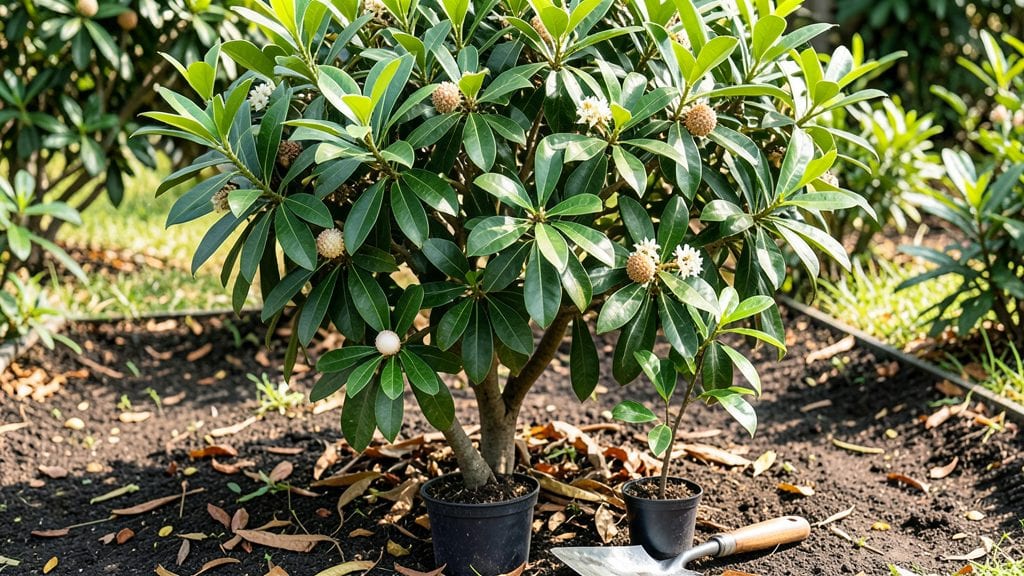
Planting a lychee tree means bringing sweet, aromatic fruit to your backyard—if you live in the right climate. 🌿 I’ve watched these tropical trees transform from bare-root saplings into lush, fragrant giants bearing clusters of delicate fruit, and the secret starts with soil that drains like a sandy beach but holds moisture like a well-watered sponge.
The key is mimicking their native habitat: full sun, well-draining soil, and protection from cold snaps.
You’ll need a hole twice as wide as the root ball, a mix of native soil and compost, and patience—lychee trees take 3-5 years to fruit but reward you with exotic, juicy payoffs once they do. Containers work for dwarf varieties, but they’ll need winter protection.
After planting, keep the soil consistently moist for the first year, then taper off as roots establish. Mulch heavily to retain moisture and block weeds, and watch for signs of stress like yellowing leaves—often a sign of overwatering or poor drainage.
With the right care, your tree will grow taller than your fence within a decade.
For subtropical zones, choose cold-hardy varieties like ‘Kwai Mi’ or ‘Brewster,’ and plan to move potted trees indoors during frost.
The first few years are about nurturing strong roots; the fruit comes later—but trust me, the wait is worth it for that first taste of perfectly ripe lychee straight off your own tree.
📚 In This Guide
- What you need
- Instructions
- Tips and common mistakes
- Wrapping up and next steps
What you need
- ● Lychee sapling or seed: 1 grafted lychee sapling (preferred for faster fruiting) or 1-2 lychee seeds (if starting from scratch).
- ● Pro tip: Grafted saplings (available at nurseries) yield fruit in 3-5 years, while seed-grown trees take 10+ years!
- ● Well-draining soil: 50% sandy loam, 30% compost, and 20% perlite or coarse sand (for aeration).
- ● Test soil pH: Aim for 5.5–6.5 (lychees love slightly acidic soil!).
- ● Pot or planting site: For containers: 15–20 gallon pot with drainage holes.
- ● For ground planting: Full sun (6+ hours/day) and space (15–20 ft apart for mature trees).
- ● Fertilizer: Balanced 10-10-10 fertilizer (for young trees) or citrus-specific fertilizer (for mature trees).
- ○ Optional: Slow-release granules for convenience.
- ● Mulch: 2–3 inches of organic mulch (e.g., pine bark or straw) to retain moisture.
- ● Watering can or hose: With a gentle spray nozzle for deep watering.
- ● Pruning tools: 1 pair of sterilized pruning shears (for shaping and harvesting).
- ● 1 bypass pruner (for thicker branches).
- ● Warm climate: Lychees thrive in USDA Zones 10–12 (or greenhouses in cooler areas).
- ● Humidity: 60–80% humidity (mist leaves occasionally in dry climates).
- ● Frost protection: If temperatures drop below 32°F (0°C), cover young trees with frost cloth.
- ● Pollination: Lychees are self-pollinating, but planting 2 trees improves fruit yield.
- ● Soil moisture meter (to avoid over/under-watering).
- ● Tree support stake (for young saplings in windy areas).
- ● Pest control: Neem oil or insecticidal soap (for aphids/mealybugs).
- ● Drip irrigation system (for consistent watering in hot climates).
Step-by-Step instructions for planting a lychee tree
Here's how to give your lychee tree the perfect start in warm, sunny conditions.
🌱 Step 1: Choose the Right Location and Prepare the Soil
Lychees thrive in full sun with 6+ hours of direct sunlight daily. Pick a spot sheltered from strong winds—these trees are tropical and delicate. I always test the soil first by digging a 6-inch deep hole. Lychees prefer well-draining, slightly acidic soil with a pH between 5.0 and 6.5. If your soil is heavy clay, mix in 2-3 inches of compost to improve drainage and fertility.
Here's the thing—lychees hate soggy roots. If your yard floods after rain, plant on a slight mound or in a raised bed. The roots should never sit in standing water. Amend the soil with organic matter like composted leaves or aged manure to create a loose, airy growing medium. A simple soil test kit from your local garden center will tell you if you need to adjust pH with sulfur or lime.
🪴 Step 2: Plant the Lychee Tree at the Correct Depth
Dig a hole twice as wide as the root ball but only as deep as the container the tree came in. Gently remove the tree from its pot and loosen any circling roots with your fingers. You'll see the root ball wrapped in a mesh or burlap—leave that on unless it's rotting. Place the tree in the hole so the top of the root ball sits just below soil level.
Don't bury the trunk too deep—this causes rot. I always check by comparing the root ball's top to the surrounding soil line. Backfill with native soil mixed with compost, tamping lightly as you go. Water deeply to settle everything, then add a 2-inch layer of mulch around the base, keeping it 6 inches away from the trunk. Mulch helps retain moisture and regulate soil temperature, which lychees love.
☀️ Step 3: Water and Provide Immediate Aftercare
Water the newly planted tree deeply every 2-3 days until new growth appears. You'll know it's enough when water drains 6 inches deep into the soil. Lychees need consistent moisture, especially in their first year, but they hate soggy conditions. I use a moisture meter to check—when it reads dry at 2 inches down, that's your signal to water again.
Fertilize lightly with a balanced, slow-release fertilizer (like 10-10-10) at planting time, then again in 6 weeks. Avoid heavy nitrogen—it encourages leafy growth at the expense of fruit. Prune only to remove any damaged branches or those growing inward. Lychees are sensitive, so I wait until the tree establishes itself before doing any major shaping.
⏰ Step 4: Monitor Growth and Adjust for Climate Needs
Lychees need warmth year-round—they won't tolerate temperatures below 30°F. If you're in a cooler climate, plant in a large container so you can move it indoors during winter. Watch for new leaves in 4-6 weeks—that's your sign the tree is settling in. If growth stalls, check for pests like scale insects or spider mites, which love young lychee trees.
Here's where it gets fun—lychees flower and fruit best with a dry season. In their native habitat, they experience a distinct dry-wet cycle. If you live in a consistently humid area, mimic this by withholding water for 4-6 weeks once a year to encourage flowering. Just don't let the soil dry out completely—keep it slightly moist but not soggy.
Tips & tricks for planting a thriving lychee tree
Let me save you from the common mistakes I made when first planting my lychee tree—these tricks will help you create the perfect tropical environment right in your yard.
Soil Preparation Secret: Don't just dig a hole and plant—test your soil first! Lychees need that perfect acidic range (5.0-6.5 pH), and most garden soil tests run higher. I always buy a simple pH test kit and adjust with sulfur if needed. The 6-inch deep hole you dig in Step 1 is your chance to create ideal conditions—mix that compost thoroughly with native soil for best results.
Planting Depth is Critical: In Step 2, when you're checking that root ball sits just below soil level, here's what nobody tells you: The top of the root ball should be about 1 inch below finished soil level. I learned this the hard way—burying too deep causes rot, while planting too high stresses the tree. Use a small stake to mark the correct depth before planting.
Watering Wisdom: Those 2-3 day watering intervals in Step 3 are non-negotiable, but here's the trick: Water deeply until you see moisture drain 6 inches down. I use a long screwdriver to check—if it comes out dry, water again. The key is consistent moisture without waterlogging. A moisture meter makes this easy, but even a simple stick works in a pinch.
Winter Protection Strategy: The 30°F minimum temperature is your absolute limit. If you're in a cooler climate, don't just plant in a container—choose one with wheels so you can move it indoors during winter. I keep mine in a garage with grow lights during cold months. This simple move can mean the difference between a thriving tree and a lost investment.
Pro Tips for Planting Lychee Tree
- Let me save you from the common mistakes I made when first planting my lychee tree—these tricks will help you create the perfect tropical environment right in your yard.
- Soil Preparation Secret: Don't just dig a hole and plant—test your soil first!
- Planting Depth is Critical: In Step 2, when you're checking that root ball sits just below soil level, here's what nobody tells you: The top of the root ball should be about 1 inch below finished soil level.
Frequently asked questions
Got questions about growing your own lychee tree? You’re not alone—this tropical fruit can be tricky, but we’ve got answers! Here are some of the most common questions (and solutions) to help you succeed.
How long does it take for a lychee tree to bear fruit?
A lychee tree typically takes 3–5 years to produce fruit from seed, but grafted trees (common in nurseries) can bear fruit in just 1–2 years. Patience is key—focus on proper care (sun, water, and soil) to speed up the process!
Can lychee trees survive cold weather?
Lychees are tropical and cannot tolerate frost. If you live in a cooler climate, plant in a protected microclimate (like near a wall or in a container you can move indoors). In freezing temps, mulch heavily or cover the tree with frost cloth.
How often should I water a lychee tree?
Young trees need weekly watering (1–2 inches per week), while mature trees prefer deep but infrequent watering (every 10–14 days). Overwatering causes root rot—always check soil moisture before watering!
What’s the best soil mix for lychee trees?
Lychees thrive in well-draining, slightly acidic soil (pH 5.5–6.5). Mix 60% sandy loam with 30% compost and 10% perlite for optimal growth. Avoid heavy clay, which traps moisture and suffocates roots.
What pests should I watch for?
Common pests include lychee fruit borers, aphids, and scale insects. Use neem oil or insecticidal soap for mild infestations. For borers, prune affected branches and apply borax-based treatments early in the season.
Can I grow a lychee tree from a store-bought fruit?
Yes, but success rates are low! Remove the seed, dry it for 2–3 days, then plant in moist soil. Germination can take 2–3 months. For faster results, buy a grafted sapling from a nursery—it’s more reliable and fruit-bearing sooner.
When’s the best time to plant a lychee tree?
Plant in early spring (after last frost) or late summer to avoid extreme heat. This gives roots time to establish before winter. If planting in containers, do it year-round in warm climates!
Wrapping up and next steps
Planting a lychee tree is a rewarding journey that brings tropical beauty and delicious fruit to your backyard—if you embrace the right conditions and care.
With patience, the right soil, and a sunny spot, you’ll soon enjoy the sweet, fragrant rewards of your labor. Now’s the time to roll up your sleeves! Start by gathering your supplies, then dig in (literally) and give your lychee tree the love it deserves.
🌱 Next step: Mark your calendar for planting season (spring or early summer) and begin prepping your soil. Before you know it, you’ll be harvesting lychees straight from your own tree! 🍈✨