
Picking
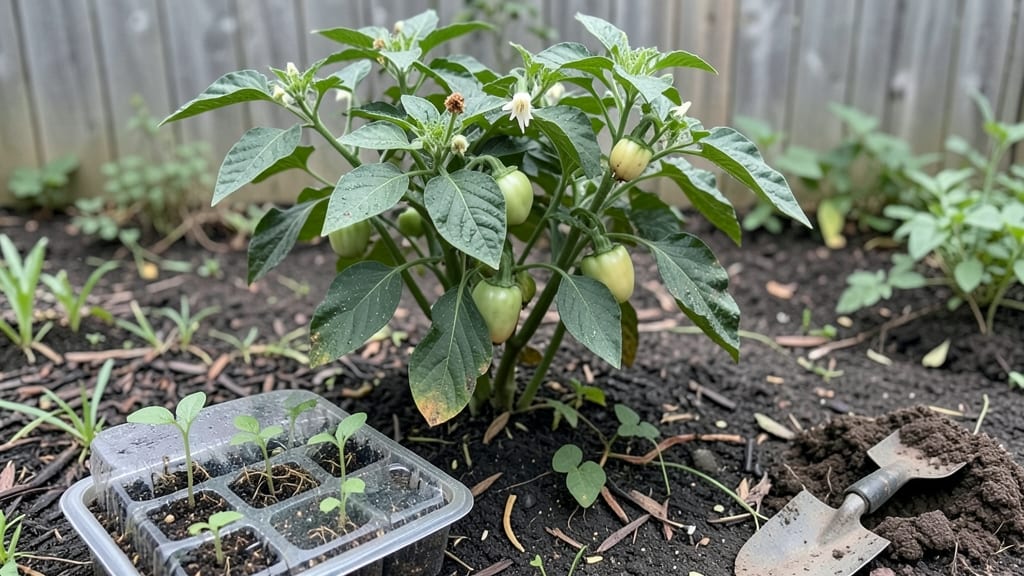
Planting peppers starts with warm soil and a sunny spot—because these spicy plants demand both to thrive. 🌿 I’ve learned the hard way that rushing them too early leads to stunted growth, so timing is everything.
The key isn’t just dropping seeds in the ground; it’s about matching their needs to your climate, whether you’re starting indoors or sowing directly after frost.
You’ll need well-draining soil mixed with compost, containers or a raised bed, and patience—peppers take their time to germinate. Spacing them 12–18 inches apart prevents competition, and planting basil nearby keeps pests at bay while boosting flavor.
The first 30 days are critical: consistent moisture, protection from wind, and a watchful eye for transplant shock.
By day 30, you’ll see sturdy seedlings with true leaves, ready to burst into growth. The foliage stays lush and vibrant when you mulch to retain moisture, and the first peppers form within weeks.
This isn’t just about growing plants—it’s about building a garden that rewards you with heat, color, and harvests that last all season.
Works for bell peppers, jalapeños, or habaneros—just adjust spacing and care based on variety. Whether you’re a first-timer or refining your technique, these steps turn a patch of soil into a spice garden faster than you’d expect.
📚 In This Guide
- What you need
- Instructions
- Tips and common mistakes
- Wrapping up and next steps
What you need
- ● Peppers seeds or seedlings: 10–20 plants (choose varieties like jalapeño, habanero, bell, or cayenne based on heat/spice preferences).
- ● Well-draining potting mix: 3–5 gallons (look for a blend labeled for vegetables or peppers with perlite or compost).
- ● Containers or garden bed: Containers: 5–10 gallon pots (with drainage holes) per plant, or
- ● Garden bed: 12–18" deep, 18–24" apart spacing (peppers need room to thrive!).
- ● Organic fertilizer: Balanced (10-10-10) or pepper-specific formula (follow label for application rates).
- ● Mulch: Straw or wood chips (2–3 inches) to retain moisture and suppress weeds.
- ● Gloves: Heavy-duty gardening gloves (peppers can be spicy to handle!).
- ● Trowel or hand shovel: For transplanting seedlings or digging small holes.
- ● Watering can or hose with gentle nozzle: Peppers hate soggy roots—aim for deep but infrequent watering.
- ○ Pruning shears: Optional but helpful for trimming leggy plants or removing suckers.
- ○ pH testing kit: Optional (peppers prefer 6.0–6.8 pH; adjust soil if needed).
- ● Sunlight: 6–8+ hours of direct sun daily (no shade-loving peppers here!).
- ● Warmth: Soil temp above 60°F (15°C) (wait until after last frost if planting outdoors).
- ● Patience: 30 days to harvest? More like 60–90 days for most varieties—plan ahead!
Step-by-Step instructions for planting a thriving pepper garden
Here’s how to get bold, productive pepper plants in just 30 days—no guesswork, just proven results.
🌱 Step 1: Choose and Prep Your Planting Site
Peppers demand full sun—at least 6-8 hours daily—so pick a spot that gets unfiltered light. I always test my garden bed by placing a white plate in the sun for a full day; if it stays cool to the touch, the area gets too little light. Amend the soil with 2-3 inches of compost (from your materials list) and mix it into the top 6 inches of soil.
Peppers hate soggy roots, so if your soil drains poorly, add 1 inch of coarse sand or perlite to improve texture. Work the amendments in gently—you’ll see the soil loosen up and feel lighter, which peppers love. Avoid fresh manure; it burns tender roots and can introduce diseases. Instead, use finished compost for steady nutrition.
🌿 Step 2: Start Seeds Indoors or Transplant Strong Starts
For a 30-day jumpstart, I begin seeds indoors 8-10 weeks before the last frost (or buy sturdy transplants). Fill 2-inch deep seed trays with sterile seed-starting mix and plant 1-2 seeds per cell, pressing them ¼ inch deep. Cover lightly with mix and mist until the surface is damp but not wet.
Keep trays in a warm spot (70-80°F) until sprouts appear in 7-14 days. Once seedlings have 2-3 true leaves, transplant them into 3-inch pots to give roots room to grow. If using transplants, harden them off for 5-7 days before moving outside—this means placing them outdoors in shade for 1-2 hours daily, gradually increasing exposure.
☀️ Step 3: Plant Peppers at the Right Time and Depth
Wait until nighttime temperatures stay above 55°F—peppers wilt dramatically in cooler weather. Dig holes twice as wide as the root ball but only as deep as the pot’s base. Gently remove plants from pots and place them in holes, then fill around the roots with soil, pressing lightly to eliminate air pockets. Space plants 12-18 inches apart in rows 2-3 feet apart for airflow.
Water deeply right after planting to settle the soil and encourage root spread. You’ll know it’s done right when the soil surface looks slightly compacted but not crusty. Mulch with 2 inches of straw or shredded leaves to retain moisture and suppress weeds. Avoid mulching too close to stems—keep it 2 inches away to prevent rot.
💧 Step 4: Water and Feed for Maximum Yield
Peppers need consistent moisture—water 1-2 inches per week, more in extreme heat. I water at the base in the early morning to reduce evaporation and fungal risks. Let the top inch of soil dry out between waterings; peppers hate soggy feet but also suffer if stressed by drought. Use a drip irrigation system if possible to deliver water slowly at the roots.
Feed plants with a balanced fertilizer (10-10-10) every 4-6 weeks once flowers appear. You’ll see new leaves and stronger stems within a week—that’s your sign the plants are thriving. Avoid high-nitrogen fertilizers; they promote leafy growth at the expense of peppers. Instead, switch to a low-nitrogen, high-phosphorus formula when buds form to encourage fruiting.
✂️ Step 5: Prune and Support for Bigger Harvests
Pinch off the first few flowers that appear on young plants to redirect energy into root and stem growth. This might seem counterintuitive, but it ensures stronger plants that produce more peppers later. Once plants are 12-18 inches tall, remove any suckers (side shoots in the leaf axils) to focus energy on the main stem and branches.
Use cages or stakes to support tall varieties like bell peppers. Tie stems loosely with soft plant ties every 6-8 inches to prevent snapping. You’ll see peppers ripen faster and stay cleaner when plants aren’t flopping over. Harvest when peppers reach full color and firmness—this encourages more production. Use pruning shears to cut stems ¼ inch above the pepper to avoid damaging the plant.
Tips & tricks for perfect pepper planting success
These simple strategies will help you avoid common pitfalls and maximize your pepper garden's potential in just 30 days.
The Sunlight Secret: While peppers need at least 6-8 hours of direct sunlight, I've found that morning sun (6 AM to noon) is most critical. Position your garden so plants get those golden hours without afternoon shade blocking the light. If you're testing sunlight with a white plate, check it at multiple times of day—what seems sunny at noon might be shaded in the morning.
Soil Prep Game-Changer: When amending your soil with 2-3 inches of compost, mix it into the top 6 inches—not just the surface. This creates a nutrient-rich zone where roots can easily access what they need. For heavy clay soil, add that 1 inch of coarse sand or perlite during Step 1, then let it sit for 24 hours before planting. This gives the soil time to settle and improves drainage dramatically.
Seed Starting Savvy: The 70-80°F warmth for seed trays is non-negotiable—pepper seeds won't germinate well below 70°F. I use a seedling heat mat for the first week, then move trays to a sunny windowsill. When you're hardening off transplants, gradually increase their outdoor time by 30 minutes each day. This slow acclimation prevents shock that can stunt growth.
Planting Precision: Those nighttime temperatures above 55°F are crucial for pepper health. I always check nightly lows for 3 consecutive days before planting. For container gardening, use pots with drainage holes and fill the bottom 2 inches with gravel to improve drainage. When spacing plants 12-18 inches apart, leave extra room for larger varieties like banana peppers—they can spread wider than expected.
Pro Tips for Planting With Peppers
- These simple strategies will help you avoid common pitfalls and maximize your pepper garden's potential in just 30 days.
- The Sunlight Secret: While peppers need at least 6-8 hours of direct sunlight, I've found that morning sun (6 AM to noon) is most critical.
- Soil Prep Game-Changer: When amending your soil with 2-3 inches of compost, mix it into the top 6 inches—not just the surface.
Frequently asked questions
Got questions about growing peppers alongside other plants? Here are answers to the most common ones—so you can dive into your spice garden with confidence!
Can I plant peppers with tomatoes? Should I avoid it?
While peppers and tomatoes are both nightshades, they can coexist in the same garden! Just space them at least 18-24 inches apart to prevent disease spread (like blight). For extra safety, rotate crops yearly or plant peppers in containers nearby.
How soon after planting can I expect peppers to grow?
Peppers are slow starters! Transplants may take 6-8 weeks to show signs of fruit, while seeds can take 3-4 months to mature. Warm soil (70°F+) and consistent watering speed up the process. Patience pays off—spicy rewards come later!
What are the best companion plants for peppers?
Peppers thrive with:
- Herbs: Basil, cilantro, oregano (repel pests)
- Veggies: Spinach, lettuce, onions (share nutrients)
- Avoid: Fennel, beans (compete for nutrients) or brassicas (attract pests)
Why are my pepper plants wilting even with enough water?
Wilting can signal overwatering (root rot), underwatering, or heat stress. Check soil moisture 1-2 inches down—it should feel dry but not bone-dry. Mulch helps retain moisture, and shade cloth protects seedlings from scorching sun.
Can I grow peppers in containers? What’s the best setup?
Use pots at least 12 inches deep with drainage holes. A 5-gallon container works for 1-2 plants. Mix potting soil + compost (60/40) and place in full sun. Dwarf varieties like ‘Jalapeño M’ or ‘Shishito’ thrive in containers—perfect for balconies!
Wrapping up and next steps
Planting with peppers is a rewarding journey that brings bold flavors and vibrant colors to your garden in just 30 days! 🌱 Whether you're a seasoned gardener or a curious beginner, these sun-loving plants thrive with the right care—from selecting the perfect variety to nurturing them with love (and a little water).
Now that you’re armed with tips, troubleshooting advice, and a clear plan, it’s time to roll up your sleeves and get growing. Start by picking your favorite pepper varieties, prepping your soil, and planting with confidence.
Before you know it, you’ll be harvesting fresh peppers to spice up your favorite dishes—what’s next is up to you! 🌶️✨