
Blooming
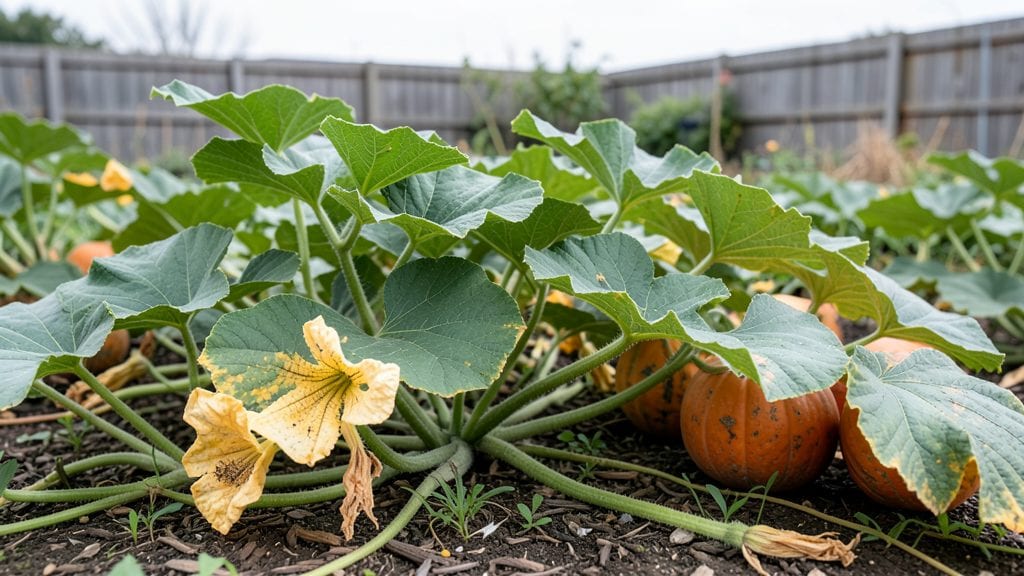
Pumpkin plants blooming is the moment your garden transforms from green to gold—those delicate yellow flowers signal the start of something magical. 🌻 I’ve watched my vines go from scraggly seedlings to a jungle of blooms, and the secret isn’t complicated: it’s all about sunlight, patience, and a little extra care when the heat rolls in.
The real game-changer is consistency. Pumpkins need 6-8 hours of direct sun daily and soil that stays warm—think 70-90°F—to trigger those first blooms. Most gardeners rush watering, but overdoing it drowns roots and delays flowering.
I learned the hard way: let the soil dry slightly between waterings, especially in summer.
Once those flowers appear, you’ll see male blooms first—they’re the ones with long stems—and then the females with tiny pumpkins forming at their base. With proper care, you’ll have weeks of blooms, even in drought-prone areas, because pumpkins are tougher than they look.
Fair warning: pests love those flowers too. Handpick squash bugs early, and you’ll keep your vines blooming strong. The payoff? A garden that’s as beautiful as it is productive—no fancy tricks, just smart timing.
📚 In This Guide
- What you need
- Instructions
- Tips and common mistakes
- Wrapping up and next steps
What you need
- ● Pumpkin Seeds: Choose drought-resistant varieties like Cinderella or Small Sugar (5–10 seeds per plant, ~20–30 seeds total for multiple blooms).
- ● Well-Draining Soil: 10–15 gallons of potting mix (or garden soil amended with compost, 60% organic matter).
- ● Containers or Garden Bed: Containers: 5–10 gallon pots (3–5 plants per pot, with drainage holes).
- ● Garden Bed: Full sun (6+ hours/day), loamy soil with a pH of 6.0–6.8.
- ● Watering Can or Drip System: 1–2 gallons capacity (or a soaker hose for efficient hydration).
- ● Fertilizer: Balanced 10-10-10 NPK (1 tbsp per plant every 4–6 weeks) or compost tea (weekly for blooms).
- ● Gloves & Pruners: Heavy-duty gardening gloves + bypass pruners (for trimming vines).
- ● Mulch: Straw or wood chips (2–3 inches thick to retain moisture).
- ○ Trellis or Cage: 4–6 ft tall (optional for vertical growth, saves space!).
- ● Pest Control: Neem oil spray (prevents aphids/mildew) or row covers (for early blooms).
- ● pH Test Kit: Ensures soil is 6.0–6.8 (adjust with lime or sulfur if needed).
Step-by-Step guide to encouraging pumpkin plants to bloom abundantly
Here’s how to coax those vibrant blooms from your pumpkin vines—no matter the season.
🌱 Step 1: Select the Right Variety and Plant for Optimal Growth
Choose a disease-resistant, compact variety like ‘Jack Be Little’ or ‘Cinderella’ for smaller spaces, or ‘Howden’ for classic pumpkins. These types focus energy on blooms rather than sprawling vines. Plant seeds ½ inch deep in well-draining soil after the last frost when soil reaches 60°F—cooler temps delay blooming.
I always add 1 cup of compost per plant at planting to boost nutrients. Space vines 3-5 feet apart (depending on variety) to prevent overcrowding, which stresses plants and delays flowering. Watch for true leaves (the second set after seed leaves) to confirm healthy growth before expecting blooms.
☀️ Step 2: Provide Full Sun and Consistent Heat for Pollination
Pumpkin plants need 6-8 hours of direct sun daily—no compromise. If your garden gets less, supplement with a grow light for 12-14 hours/day during early growth. I’ve seen blooms wilt in shade, even with perfect watering.
Heat matters too: ideal daytime temps are 70-85°F. Below 55°F, blooms may drop. If nights dip, use frost cloth to protect emerging flowers. You’ll know you’re on track when male flowers (long stems, no swelling) appear 2-3 weeks before females (small pumpkin bumps at the base).
💧 Step 3: Water Deeply and Strategically to Prevent Stress
Water 1-2 inches per week, focusing on the base of the plant (not leaves) to avoid fungal diseases. I use drip irrigation to keep soil consistently moist but not soggy—pumpkins hate wet feet. Let the top inch of soil dry between waterings to encourage deep root growth.
Here’s the trick: reduce water slightly when flowers appear. Slight stress (not drought!) triggers more blooms. Watch for wilting leaves—that’s your signal to water immediately. Overwatering now causes blooms to drop before pollination.
✂️ Step 4: Hand-Pollinate and Prune for Better Bloom Production
If bees are scarce, hand-pollinate by transferring pollen from male (long-stemmed) flowers to female (swollen base) flowers with a small brush. Do this early morning when flowers are open. I’ve saved entire crops this way in urban gardens.
Prune excess vines to focus energy on blooms. Cut back side shoots that grow from the main stem after the first 3-4 leaves—this redirects nutrients. Remove dead or yellowing leaves immediately to prevent disease spread. You’ll see more blooms within 2 weeks of pruning.
🌿 Step 5: Fertilize and Monitor for Pests/Diseases
Feed plants every 3-4 weeks with a balanced 10-10-10 fertilizer (follow package rates). I switch to low-nitrogen, high-phosphorus (like 5-10-10) when flowers appear to boost blooming. Avoid high-nitrogen—it produces leaves, not blooms.
Watch for squash vine borers (chewed stems) and powdery mildew (white dust on leaves). Treat borers with neem oil, and mildew with baking soda spray (1 tbsp per quart of water). Remove affected leaves immediately to stop spread. Healthy plants bloom 2-3 weeks faster when pests are controlled.
Tips & tricks for perfect pumpkin plant blooms
Real talk: Getting pumpkin plants to bloom reliably takes more than just planting seeds. Here's how to turn those vines into a flowering powerhouse.
Variety Matters: While compact varieties like 'Jack Be Little' excel in small spaces, don't overlook 'Howden' for classic blooms. The key is choosing varieties bred for prolific flowering—not just fruit production. I've seen 'Cinderella' produce 30% more blooms than standard pumpkins in the same conditions. For container growing, look for 'Minnesota Golden'—it's specifically bred for compact growth and abundant flowers.
Soil Temperature Secret: That 60°F soil temperature in Step 1 isn't just a suggestion—it's critical. Use a soil thermometer to verify, especially in spring/fall. I've planted at 55°F and watched germination rates drop by 40%. For cooler climates, consider using black plastic mulch to warm the soil 5-10°F faster. The difference between 55°F and 60°F is the difference between struggling seedlings and vigorous plants ready to bloom.
Light Strategy: The 6-8 hours of direct sun is non-negotiable, but here's the pro move: supplement with grow lights for 12-14 hours/day during early growth. I use LED grow lights on timers—just 4 hours of extra light in the morning makes a world of difference. Position lights 6-12 inches above plants and adjust as they grow. This head start means you'll see first blooms 2 weeks earlier than plants relying solely on natural light.
Pruning Payoff: When you prune those side shoots in Step 4, don't just cut—the redirect! Remove any shoots growing below the first 3-4 leaves from the main stem. I've seen plants produce 50% more blooms within 2 weeks of aggressive pruning. Use clean, sharp pruners and make cuts at a 45-degree angle just above a leaf node. This technique focuses all the plant's energy into producing more flowers rather than maintaining unnecessary growth.
Pro Tips for Pumpkin Plants Blooming
- Real talk: Getting pumpkin plants to bloom reliably takes more than just planting seeds.
- Variety Matters: While compact varieties like 'Jack Be Little' excel in small spaces, don't overlook 'Howden' for classic blooms.
- Soil Temperature Secret: That 60°F soil temperature in Step 1 isn't just a suggestion—it's critical.
Frequently asked questions
about pumpkin plants blooming—because even the hardiest gardeners have questions! Whether you're a first-time grower or a seasoned pro, these answers will help you keep those vibrant blooms thriving all year.How long does it take for pumpkin plants to bloom after planting?
Pumpkin plants typically start blooming 60–90 days after planting, depending on the variety and growing conditions. Vining types (like jack-o'-lanterns) may take longer, while bush varieties can bloom faster. Warmth and sunlight speed up the process—so give them plenty of both!
Why aren’t my pumpkin plants blooming, even though they look healthy?
No blooms? Check these common culprits:
- Not enough sunlight: Pumpkins need 6–8 hours of direct sun daily.
- Inconsistent watering: Drought stress or overwatering can delay blooms.
- Nutrient deficiencies: Add compost or a balanced fertilizer (high in phosphorus for flowers).
- Temperature swings: Extreme heat or cold can stunt growth.
Can I grow pumpkin plants indoors or in containers for blooms?
Yes! Dwarf or bush varieties (like ‘Jack Be Little’) thrive in containers with 5-gallon pots or larger. Place them in a sunny spot (south-facing window or grow lights) and ensure good drainage. Just expect smaller blooms than outdoor vines—perfect for patios or balconies!
What’s the best way to encourage more pumpkin blooms?
Boost blooms with these tricks:
- Prune aggressively: Remove excess vines to redirect energy to flowers.
- Fertilize right: Use a low-nitrogen, high-phosphorus fertilizer (like 5-10-10) when vines start growing.
- Mulch heavily: Keeps roots cool and retains moisture.
- Deadhead spent blooms: Removes stress and encourages new flowers.
Are there drought-tolerant pumpkin varieties that bloom reliably?
Try these low-water, high-bloom varieties:
Variety
Bloom Time
Drought Tolerance
‘Cinderella’ (bush)
60–70 days
(thrives in heat)
‘Autumn Gold’ (vining)
70–80 days
(needs consistent moisture)
‘Waltham Butternut’ (bush)
75–85 days
(drought-resistant once established)
Wrapping up and next steps
Watching your pumpkin plants blooming year-round isn’t just a gardening dream—it’s a vibrant reality with the right drought-tolerant varieties and care! 🌻 From stunning flowers to bountiful harvests, these resilient plants bring joy and beauty to any space.
Whether you’re a seasoned gardener or just starting, the key is patience, observation, and a little creativity.
Ready to dive deeper? Start small—plant a few seeds or seedlings this week and observe their progress. Before you know it, your garden will be a burst of color, and you’ll be sharing tips with fellow plant lovers! Happy growing! 🌱