Planting
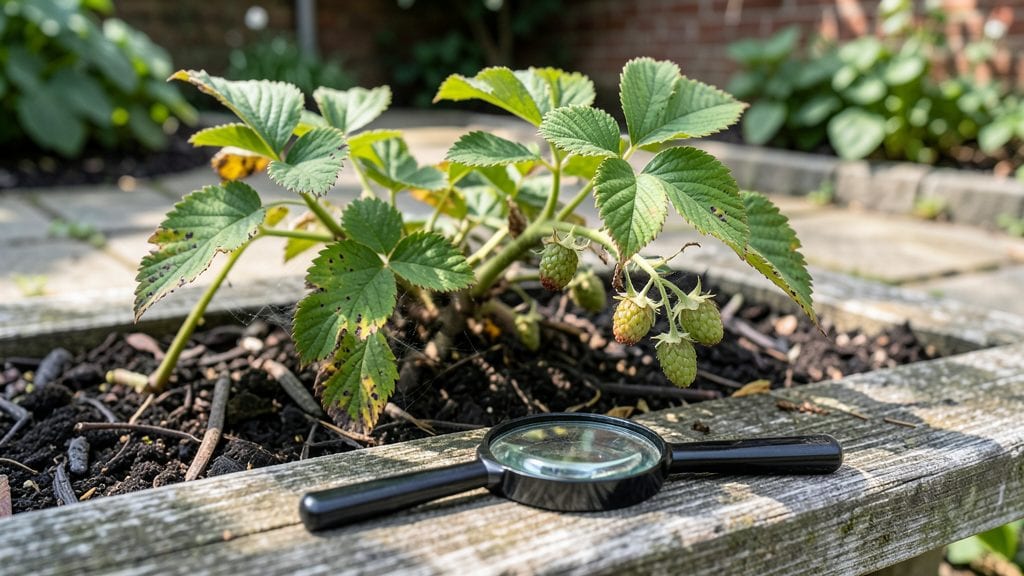
Raspberry plant problems usually start with yellow leaves or stunted canes—both signs your plants are silently calling for help. 🌿 I’ve spent years watching raspberries go from lush to limp, and I know the first step to saving them isn’t guessing what’s wrong.
It’s matching symptoms to solutions, whether it’s fungal spots, hungry pests, or soil that’s too hungry to feed your berries.
The good news? Most raspberry issues have quick fixes once you know the root cause. Overwatered soil? Drainage fixes in a weekend. Spider mites? A spray of neem oil and you’re back in business. The key is acting fast—before the problem spreads from leaves to canes to next year’s harvest.
I’ll walk you through the 10 most common issues, from leaf curl to poor fruiting, and show you exactly how to turn things around.
By the end, you’ll spot trouble early and stop it before it ruins your season. No more mystery wilting or disappointing berries—just healthy plants that produce sweet, plump fruit from summer through fall.
The best part? Most fixes use stuff you already have in the garage or garden shed. Let’s get those canes thriving again.
Works for all raspberry varieties—summer-bearing, fall-bearing, or everbearing—and adapts to containers or in-ground beds. Whether you’re dealing with a single plant or a whole patch, these solutions cut through the confusion. Ready to diagnose and fix?
Root Causes of Raspberry Struggles
Raspberry plants are resilient, but even they face challenges that can stifle growth, reduce yields, or leave them vulnerable to pests and disease. Understanding why these issues arise is the first step to prevention and recovery.
Below, we break down the science behind the most common raspberry plant problems—so you can address the real culprit and restore your berry patch to peak health.
Raspberries thrive in well-drained soil, but excess moisture is a silent killer. When roots sit in soggy conditions, they suffocate, leading to:
- Root rot: Fungal pathogens like Phytophthora attack waterlogged roots, cutting off nutrient uptake. Why? Oxygen-starved roots release sugars that fungi feast on.
- Yellowing leaves: Chlorosis (iron deficiency) mimics overwatering because excess water leaches nutrients from the soil.
- Stunted growth: Roots can’t absorb water or nutrients efficiently, triggering metabolic shutdown.
Actionable fix: Test your soil’s drainage by digging a 12-inch hole, filling it with water, and timing how long it takes to drain. If it’s slower than 6 hours, amend with compost or sand to improve aeration.
While overwatering drowns roots, chronic drought can be just as damaging. Raspberries have shallow root systems that dry out quickly, leading to:
- Wilting leaves: Cells lose turgor pressure as water is pulled from foliage to preserve root function.
- Premature fruit drop: Berries abort development when the plant prioritizes survival over reproduction.
- Cracked soil and root exposure: Severe dryness pulls roots to the surface, where they bake in sunlight.
Science note: Raspberries enter drought-induced dormancy, but prolonged stress weakens their immune response to pests.
Actionable fix: Water deeply 1–2 inches per week, focusing on the root zone. Use mulch (straw or wood chips) to retain moisture and regulate soil temperature.
Raspberries are heavy feeders, especially during fruiting season. Deficiencies often stem from:
- Nitrogen (N) deficiency: Causes pale green or yellow leaves (starting with older foliage). Why? Nitrogen is critical for chlorophyll production, and raspberries deplete soil N faster than most plants.
- Potassium (K) deficiency: Leads to weak stems, poor fruit set, and brown leaf edges. Why? Potassium regulates water balance and disease resistance—critical for stress-prone raspberries.
- Magnesium (Mg) deficiency: Creates yellow patches between leaf veins (interveinal chlorosis). Why? Magnesium is the center of the chlorophyll molecule, and raspberries often can’t access it in acidic or compacted soils.
Actionable fix: Conduct a soil test (pH + NPK analysis) and amend with:
- Balanced fertilizer (10-10-10) in early spring.
- Epsom salt (magnesium sulfate) for chlorosis.
- Wood ash or lime to raise pH if below 5.5–6.5 (raspberries hate acidity).
Raspberries are a buffet for insects, but outbreaks usually happen due to:
- Weakened plants: Stress from drought, poor soil, or disease makes raspberries more attractive to pests like spider mites, aphids, and Japanese beetles.
- Lack of natural predators: Monoculture plantings (all raspberries in one spot) disrupt ecosystems, allowing pests to multiply unchecked.
- Over-ripe fruit: Soft, overripe berries invite fruit flies and birds to feast—and spread disease.
Science note: Aphids excrete honeydew, a sugary substance that fosters sooty mold, further stressing the plant.
Actionable fix:
- Introduce beneficial insects (ladybugs, lacewings) or neem oil for organic control.
- Remove fallen fruit and debris to break pest life cycles.
- Plant companion crops like garlic or chives to repel pests naturally.
Fungal and bacterial diseases thrive when raspberries are crowded, stressed, or injured. Common triggers include:
- Poor air circulation: Dense canes create humid microclimates, perfect for Botrytis (gray mold) and Phomopsis (cane blight).
- Wet foliage: Overhead watering or morning dew on leaves extends moisture periods, ideal for Didymella (fruit rot).
- Old canes: Two-year-old canes are more susceptible to Raspberry bushy dwarf virus, spread by aphids.
Actionable fix:
- Prune aggressively to improve airflow—remove dead, crossing, or weak canes in late winter.
- Avoid watering at dusk to allow foliage to dry overnight.
- Apply copper fungicide preventatively in spring for bacterial diseases.
Most raspberry problems boil down to one or two root causes: stress (water, nutrients, or physical damage) and poor growing conditions. Once you identify the why, the how to fix becomes clear.
Next, we’ll dive into diagnosing symptoms so you can match the problem to the solution—before it’s too late!
Fixing Raspberry Plant Troubles
Now that you’ve identified the issue plaguing your raspberry plants, let’s roll up our sleeves and get them back on track! 🌱🔧 Below are practical, step-by-step solutions for each common problem, along with prevention tips to keep your berries thriving long-term.
Fix: If the yellowing is even (not just tips) and new leaves are pale, your plants are likely nutrient-starved. Here’s how to revive them:
- 🔥 Test Your Soil – Grab a soil test kit (or send a sample to your local extension office) to check pH and nutrient levels. Raspberries thrive in slightly acidic soil (pH 5.5–6.5).
- 🍳 Fertilize Right – - For nitrogen deficiency (lower leaves yellow): Apply a balanced fertilizer (10-10-10) or compost in early spring. - For magnesium deficiency (interveinal yellowing): Sprinkle Epsom salt (1 tbsp per gallon of water) every 2 weeks until leaves green up. - For iron deficiency (young leaves yellow): Use an iron chelate or apply sulfur to lower pH if it’s too alkaline.
- 💧 Adjust Watering – If soil is soggy, reduce watering and improve drainage by adding organic matter (compost or perlite) or planting on a slight mound.
💡 Prevention Tips: ✔ Mulch with straw or wood chips to retain moisture and nutrients. ✔ Avoid over-fertilizing—too much nitrogen = weak growth, more pests. ✔ Rotate crops every 3–4 years to prevent nutrient depletion.
Fix: Pests can devour leaves overnight or stunt berry growth. Act fast with these organic and chemical-free methods:
- 👨🍳 Blast Them Off – - Spider mites (tiny yellow dots): Spray leaves with a strong stream of water daily for 3 days to dislodge them. - Aphids (clustered green bugs): Knock them off with water or neem oil spray (1 tbsp neem oil + 1 tsp mild soap per quart of water).
- 🔪 Handpick or Trap – - Japanese beetles (skeletonized leaves): Pick them off in the morning and drop in soapy water. - Raspberry cane borers: Prune infested canes at the base and dispose of them (don’t compost!).
- 🌡️ Encourage Natural Predators – Ladybugs, lacewings, and birds love eating pests. Plant dill, fennel, or marigolds nearby to attract them.
💡 Prevention Tips: ✔ Prune regularly to improve airflow (pests love crowded plants). ✔ Use row covers early in the season to block beetles and moths. ✔ Plant pest-repelling herbs like mint, thyme, or garlic around the patch.
Fix: If your raspberries are flowering but not fruiting, it’s usually due to lack of pollinators, over-pruning, or weak canes.
- 🐝 Boost Pollination – - Hand-pollinate by gently shaking canes when flowers are open (best in morning with no wind). - Plant bee-friendly flowers (lavender, sunflowers) nearby. - Avoid pesticides during bloom—even "organic" sprays can harm bees.
- ⏰ Prune Correctly – - Summer-bearing varieties: Remove last year’s canes (they’re done fruiting) and keep this year’s new growth. - Fall-bearing varieties: Keep last year’s canes for fall harvest and prune old canes after fruiting.
- 💪 Feed for Fruit Set – - Apply a low-nitrogen, high-phosphorus fertilizer (like 5-10-10) when flowers appear to encourage fruiting.
💡 Prevention Tips: ✔ Plant raspberries in full sun (6+ hours/day)—shady spots = fewer berries. ✔ Water deeply during bloom (drought stress = dropped flowers). ✔ Thin canes to 6–8 per plant for better air circulation and fruit production.
Fix: If canes wilt suddenly, turn brown, or ooze sap, it’s likely root rot (from overwatering) or cane borers.
- 💧 Fix Root Rot – - Stop watering immediately and let soil dry out. - Improve drainage by amending soil with sand or gravel. - Remove and replace severely rotted canes (sterilize pruners with rubbing alcohol).
- 🔪 Treat Cane Borers – - Cut open infested canes to check for white larvae inside. - Prune and burn affected canes before borers spread. - Apply diatomaceous earth around the base to deter larvae.
💡 Prevention Tips: ✔ Water at the base (not overhead) to prevent fungal growth. ✔ Rotate planting locations every few years to avoid soil-borne diseases. ✔ Inspect canes monthly for early signs of borers (sawdust-like frass).
Fix: If canes look mushy, blackened, or brittle after winter, they’ve suffered freeze damage.
- 🌡️ Prune Dead Tissue – - Cut back blackened or mushy canes to healthy green tissue (sterilize tools between cuts). - Do not prune until spring if unsure—new growth may still emerge.
- 🌱 Stimulate New Growth – - Apply a balanced fertilizer (10-10-10) in early spring to encourage regrowth. - Mulch heavily (6–8 inches of straw) to insulate roots next winter.
💡 Prevention Tips: ✔ Plant raspberries in a sheltered spot (near a fence or building). ✔ Use row covers in late fall for extra protection. ✔ Choose cold-hardy varieties (like ‘Boyne’ or ‘Nova’) if you live in Zone 5 or colder.
- 📅 Prune in late winter/early spring (before new growth starts).
- 🍓 Harvest promptly—ripe raspberries sprout new berries on the same cane!
- 🌱 Renew soil every 2–3 years with compost or well-rotted manure.
With these fixes, your raspberry patch should bounce back stronger than ever—and next season, you’ll be feasting on juicy, plump berries! 🍓✨
Frequently asked questions about raspberry plant problems
Why are my raspberry leaves turning yellow?
Yellowing raspberry leaves usually signal nutrient deficiencies or overwatering. Check if the yellowing starts with older leaves (nitrogen deficiency) or appears between veins (magnesium deficiency). For overwatering, let the soil dry slightly between waterings and improve drainage with compost or sand.
How do I know if my raspberry canes have root rot?
Root rot causes wilting leaves, blackened stems at the base, and a foul smell from the roots. Gently pull back mulch—if the soil stays soggy for days after watering, you’ve got poor drainage. Stop watering immediately and improve soil aeration with organic matter.
What should I do if my raspberries aren’t fruiting?
Check for flowering but no fruit? It’s likely due to poor pollination or over-pruning. Hand-shake canes gently during bloom to help pollination, or plant bee-friendly flowers nearby. For pruning, summer-bearing varieties need last year’s canes removed, while fall-bearing types keep them for fall harvest.
Are my raspberry plants dying from pests or disease?
Look for tiny webs (spider mites), skeletonized leaves (Japanese beetles), or black spots (fungal diseases). For pests, spray neem oil or blast them off with water. For diseases, prune infected canes and apply copper fungicide. Remove fallen fruit/debris to prevent reinfection.
Can I save my raspberry plants after a harsh winter?
If canes look blackened or mushy, they’ve likely suffered freeze damage. Prune back to healthy green tissue in early spring and fertilize lightly to stimulate regrowth. Mulch heavily (6–8 inches) next winter to protect roots. Cold-hardy varieties like ‘Boyne’ recover better than tender types.