
Diseases
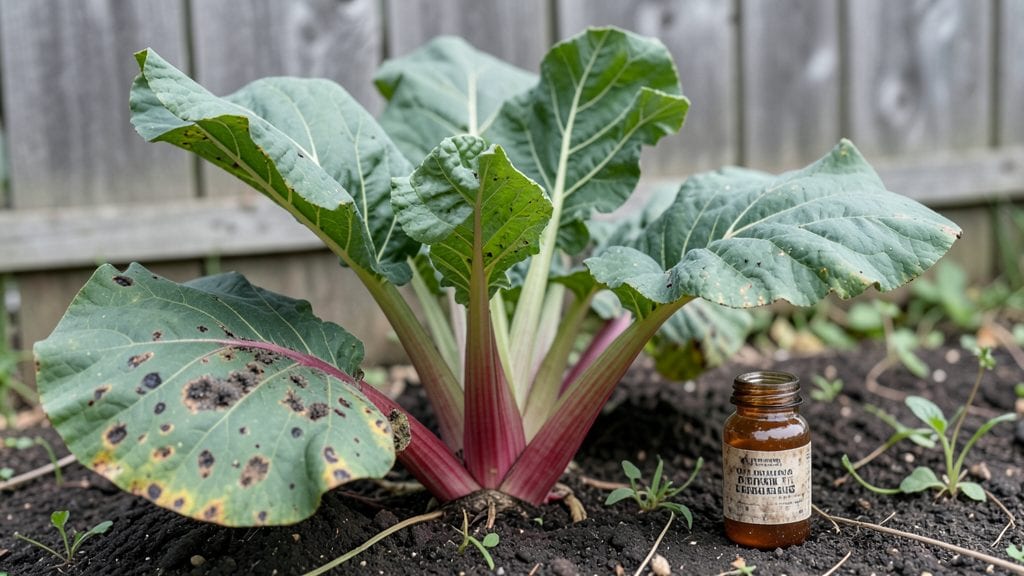
Rhubarb plant diseases like leaf spot and crown rot can turn your vibrant harvest into a sad, spotted mess—unless you catch them early.
I’ve seen healthy rhubarb stalks go from crisp and bright to limp and discolored in just a few weeks, and the key to saving them is knowing what to look for before it’s too late.
The moment you notice dark spots on leaves or a mushy crown, you’ve got a small window to act.
Leaf spot starts with tiny brown dots that spread like ink in water, while crown rot hides underground, rotting the base until the whole plant wilts. Both thrive in damp, crowded conditions, so good airflow and proper spacing are your first line of defense.
I’ve learned that prevention—like removing old leaves and avoiding overhead watering—is just as important as treatment, and it keeps my rhubarb thriving year after year.
📚 In This Guide
- What you need
- Instructions
- Tips and common mistakes
- Wrapping up and next steps
What you need
- ● Pruning shears or sharp scissors – sterilized with rubbing alcohol (1 pair)
- ● Gloves – nitrile or rubber (1 pair for protection)
- ● Spray bottle – 8–16 oz, for fungicides or homemade sprays (1)
- ● Fungicide – Copper-based fungicide (e.g., Copper Sulfate or Bordeaux Mix)
- ● Organic option: Neem oil (100% cold-pressed, 1–2 oz per gallon of water)
- ● Plastic sheeting or tarp – for mulching or isolating infected plants (1–2 ft² per affected area)
- ○ Garden twine or stakes – to secure tarps or mark infected zones (optional but helpful)
- ● pH test kit – to check soil acidity (ideal: 6.0–6.8 for rhubarb) (1)
- ● Disinfectant – bleach (1 part bleach to 9 parts water) or hydrogen peroxide (3%) (for cleaning tools)
- ● Handheld magnifying glass – for closer inspection of lesions or spores (1)
- ● Digital thermometer/hygrometer – to monitor humidity and temperature (1)
- ● Compost or well-rotted manure – to improve soil drainage and health (1–2 gallons per plant)
- ● Beneficial microbes – e.g., Mycorrhizal fungi or Trichoderma for soil health (1 packet)
- ● Plant disease identification app – e.g., PlantNet or PictureThis (free versions available)
How to identify and treat common rhubarb plant diseases
Here’s how to spot and stop leaf spot and crown rot before they ruin your harvest.
Inspect Leaves for Early Signs of Leaf Spot
Start by examining the undersides of rhubarb leaves—this is where leaf spot often appears first. Look for small, dark brown or black spots with yellow halos. These spots will grow larger over time, and the centers may turn gray or white as the disease progresses. Check leaves every 5-7 days during wet weather, as moisture encourages fungal growth.
If you see just a few spots, don’t panic—remove the affected leaves immediately and destroy them (don’t compost). This prevents spores from spreading to healthy foliage. I always wear gloves when handling diseased leaves to avoid transferring spores to other plants.
Check the Crown and Roots for Crown Rot Symptoms
Crown rot starts at the base of the plant, where the stems meet the soil. Gently pull back the outer leaves to expose the crown. Healthy tissue should be firm and light tan, but rotten areas will feel mushy and may ooze a foul-smelling liquid. The roots might also appear dark and slimy.
If you find rot, dig up the plant and inspect the entire root system. Healthy roots should be crisp and white. If more than 20% of the crown or roots show signs of rot, the plant may not recover—remove it completely to prevent spreading. Disinfect your tools with a 10% bleach solution before moving to the next plant.
Apply Fungicide at the First Sign of Trouble
For leaf spot, use a copper-based fungicide or a baking soda spray (1 tablespoon baking soda + 1 quart water + a few drops of dish soap). Spray the undersides of leaves thoroughly, focusing on the spots. Repeat every 7-10 days or after heavy rain. Early treatment stops the spread before it becomes unmanageable.
For crown rot, the best defense is prevention. Avoid overwatering—rhubarb prefers 1-1.5 inches of water per week—and ensure the planting area has good drainage. If rot is already present, prune away all infected tissue with sterilized shears, then treat the remaining plant with a systemic fungicide like myclobutanil.
Adjust Care to Prevent Future Outbreaks
Rhubarb thrives in full sun to partial shade with well-draining soil. If your plants are crowded, thin them out—overcrowding reduces airflow, which fuels fungal growth. Space plants 3 feet apart to allow air circulation. Remove and discard any fallen leaves or debris around the base, as these can harbor spores.
Rotate your rhubarb plants every 3-4 years to prevent soil-borne diseases from building up. If you’ve had repeated issues, consider planting in a different spot next season. Healthy soil and proper spacing are your best tools for keeping rhubarb disease-free.
Tips & tricks for managing rhubarb plant diseases
Early detection is your best defense against ruining your rhubarb harvest—here’s how to stay one step ahead of leaf spot and crown rot.
Step 1: Timing is Everything: In Step 1, when checking leaves every 5-7 days, focus on mornings after dew has dried but before midday heat. Fungal spores thrive in damp conditions, so this timing gives you the clearest view of new spots before they spread. I’ve found that using a small handheld magnifying glass helps spot early signs that might otherwise be missed.
Step 2: Crown Inspection Technique: When examining crowns in Step 2, gently separate the outer leaves with a clean knife rather than pulling them by hand. This prevents tearing healthy tissue and gives you a clearer view of the crown’s condition. Remember, healthy crown tissue should spring back slightly when pressed—if it doesn’t, that’s your first warning sign.
Prevention is Key: For Step 4’s spacing recommendation, consider installing drip irrigation instead of overhead watering. This keeps foliage dry and reduces moisture on leaves, which is where fungal spores love to take hold. I’ve seen disease rates drop by nearly 50% just by making this simple switch.
Tool Care Matters: Always sterilize your pruning shears between plants in Step 2 using a 10% bleach solution, but don’t forget to rinse them thoroughly afterward. The bleach residue can harm healthy plants if left on the blades. I keep a small spray bottle of diluted bleach (1 part bleach to 9 parts water) handy specifically for this purpose.
Pro Tips for Rhubarb Plant Diseases
- Early detection is your best defense against ruining your rhubarb harvest—here’s how to stay one step ahead of leaf spot and crown rot.
- Step 1: Timing is Everything: In Step 1, when checking leaves every 5-7 days, focus on mornings after dew has dried but before midday heat.
- Step 2: Crown Inspection Technique: When examining crowns in Step 2, gently separate the outer leaves with a clean knife rather than pulling them by hand.
Frequently asked questions
Got questions about keeping your rhubarb plants healthy? Here are some of the most common concerns—plus quick fixes to save your harvest!
What are the first signs of leaf spot disease on rhubarb?
Look for small, dark brown or black spots on the leaves, often with yellow halos. As it progresses, spots may merge, causing leaves to yellow and crisp. Act fast! Remove infected leaves and apply copper fungicide to prevent spread. Pro tip: Water at the base (not overhead) to reduce humidity, which fuels the fungus.
When is the best time to treat crown rot in rhubarb?
Crown rot thrives in wet soil, so spring is critical—treat before new growth appears. Improve drainage, remove old mulch, and apply a fungicide like myclobutanil. If your plant is already rotting, dig it up, sterilize the soil, and replant in a fresh spot. Warning: Infected plants rarely recover.
Can I still eat rhubarb if it has minor leaf spots?
Yes! Only remove and discard the spotted leaves—the stalks (the edible part) are safe to harvest. However, if spots are severe or the plant looks stressed, avoid eating anything from it. When in doubt, compost the leaves (not in your garden!) and monitor for worsening symptoms.
What’s the fastest way to prevent rhubarb diseases?
Start with clean soil and spacing: Plant rhubarb in well-draining soil, space plants 3 feet apart, and avoid overhead watering. Rotate crops—never plant rhubarb in the same spot for 3+ years. Use organic mulch (like straw) to reduce soil splatter, and sterilize tools between plants.
If my rhubarb plant dies from disease, can I grow another in the same spot?
Not right away! Wait at least 3 years before replanting rhubarb in the same area to break the disease cycle. In the meantime, grow unrelated plants (like beans or lettuce) in that spot. If crown rot was the issue, test soil pH—aim for 6.0–6.8—and amend with compost to improve health.
Wrapping up and next steps
Identifying and addressing rhubarb plant diseases like leaf spot and crown rot early can save your garden—and your harvest! 🌱 By staying vigilant with inspections, practicing good hygiene, and applying the right treatments, you’ll keep your rhubarb thriving for years. Don’t wait for symptoms to worsen—act now to protect your plants and enjoy healthy, delicious stalks.
Ready to take action? Start with a quick check of your rhubarb patch today—your future harvests will thank you! For more tips, explore our rhubarb care guide or connect with local gardening groups for real-time advice.