
Flowers
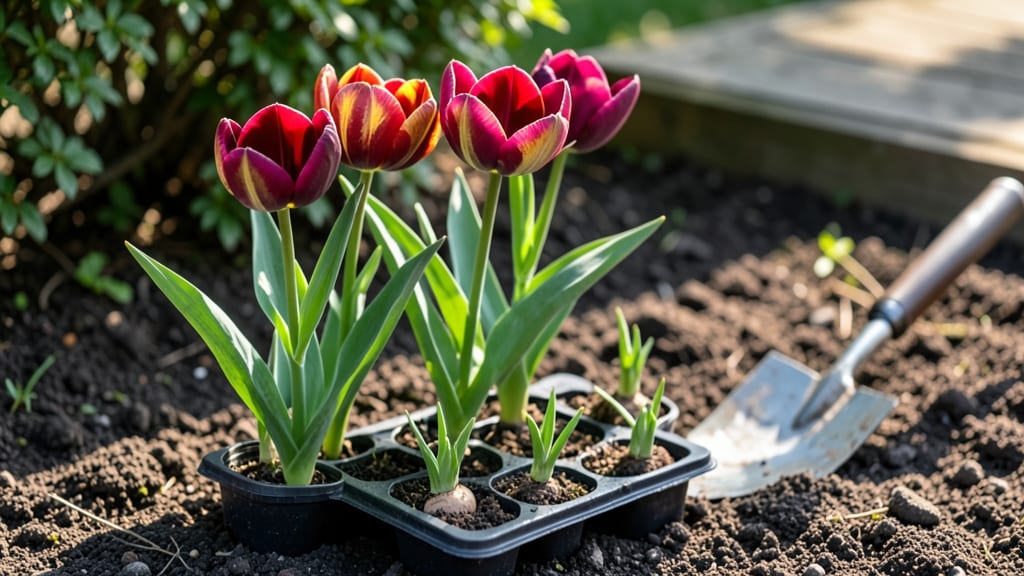
Seasonal flower planting transforms your garden into a nonstop parade of color without drowning your water bill. 🌸 I learned the hard way that planting at the wrong time means wilting blooms by August—until I mapped out a seasonal schedule tailored to my dry climate.
The key isn’t just picking pretty flowers; it’s matching varieties to their ideal planting windows and giving them the right start.
Spring bulbs like daffodils and tulips need to go in the ground by February in warmer zones, while summer annuals like zinnias and marigolds thrive when planted after the last frost.
Fall perennials, such as sedum and coneflowers, establish roots early for bold winter color, and drought-resistant picks like lavender and Russian sage keep blooming even when summer skips the rain.
The secret is simple: prep soil 2-3 weeks before planting, water deeply at first, and always choose plants labeled for your hardiness zone.
By following this schedule, you’ll enjoy vibrant blooms from March through November with minimal fuss. The garden stays lush without extra watering, and you avoid the heartbreak of plants that fade before their time.
Plus, succession planting means no gaps—just one wave of color fading as the next begins. Ready to see your yard stay stunning all year?
This approach works for containers, borders, or full gardens—just adjust spacing and sun exposure. The only real mistake is waiting until spring to start planning. Let’s make next year the season your garden never stops shining.
📚 In This Guide
- What you need
- Instructions
- Tips and common mistakes
- Wrapping up and next steps
What you need
- ● Seeds or seedlings: Drought-resistant varieties like Lavender, Succulents (e.g., Sedum), Salvia, Yarrow, or Black-Eyed Susan (choose 3–5 types for diversity).
- ● Seasonal picks: Tulips (spring), Marigolds (summer), Chrysanthemums (fall), and Pansies (winter).
- ● Potting soil: 5–10 lbs of well-draining, organic potting mix (or amend garden soil with compost).
- ● Containers or garden beds: Containers: 5–10 pots (5–10 inches in diameter) with drainage holes.
- ● Garden beds: 1–2 sq ft per plant (or raised beds for better drainage).
- ● Mulch: 1–2 inches of organic mulch (e.g., straw or wood chips) to retain moisture.
- ● Required: Garden trowel or small shovel.
- ● Watering can or hose with a gentle spray nozzle.
- ● Pruning shears (for trimming dead blooms).
- ● Gloves (to protect your hands).
- ○ Optional (but helpful!): Soil moisture meter (to check drought conditions).
- ● Plant labels (for tracking seasonal varieties).
- ● Organic fertilizer (e.g., fish emulsion or compost tea).
- ● Drip irrigation system (for hands-off watering).
- ● Know your USDA Hardiness Zone (check here for guidance on seasonal planting times).
- ● Sunlight assessment: Most drought-resistant flowers need 6+ hours of sun/day (adjust for shade-tolerant varieties like Impatiens).
- ● Water source: Ensure access to water (even drought-resistant plants need 1–2 inches/week during establishment).
How to plan a year-round flower garden with drought-tolerant varieties
Here's the simple approach I use to keep blooms vibrant with minimal watering.
🌱 Step 1: Choose Flowers by Season and Sun Exposure
Start by dividing your garden into zones based on sunlight: full sun (6+ hours), partial shade (3-6 hours), and full shade (under 3 hours). For year-round color, I mix drought-resistant annuals like lantana and salvia with perennials such as black-eyed Susan and coneflower. These thrive with 1 inch of water per week once established.
Write down your seasonal blooms: plant pansies and snapdragons in early spring, swap for zinnias and marigolds in summer, and add mums and kale for fall. Each group needs 6-12 inches of spacing to prevent competition for water.
🪴 Step 2: Prepare Soil and Plant in Layers
Loosen the top 6 inches of soil with a garden fork to improve drainage—drought-resistant plants hate soggy roots. Mix in 2 inches of compost to retain moisture without encouraging thirsty weeds. For containers, use cactus/succulent mix blended with 30% perlite to keep roots aerated.
Plant taller varieties like salvia at the back, mid-height coreopsis in the middle, and trailing sweet potato vine along edges. Space each plant 12-18 inches apart to allow airflow, which reduces fungal diseases that thrive in damp conditions.
☀️ Step 3: Water Deeply but Infrequently
Water newly planted flowers deeply once a week for the first month to encourage deep root growth. Use a soaker hose or drip irrigation to deliver water at the soil level—this prevents evaporation and keeps leaves dry, reducing fungal risks. Aim for 1-2 gallons per plant each watering.
Once established, most drought-tolerant flowers need water only when the soil feels bone-dry 2 inches below the surface. Check in the morning before watering—this prevents overwatering, which is the #1 killer of drought-resistant plants. Mulch with 2 inches of gravel or shredded bark to lock in moisture.
✂️ Step 4: Deadhead and Maintain Seasonal Transitions
Pinch off spent blooms weekly to encourage continuous flowering. For perennials like coneflower, cut back 1/3 of the stems after the first flush of blooms to promote a second round. This keeps plants focused on growth, not seed production.
Every 4-6 weeks, fertilize with a balanced, slow-release granular fertilizer (10-10-10) to support drought tolerance. In late summer, reduce watering by 50% to harden off plants for fall. Swap out annuals like zinnias for pansies or violas in September to extend color into winter.
💧 Step 5: Winterize and Plan Ahead
After the first frost, cut back annuals to the ground and remove any diseased foliage. For perennials, apply 3 inches of mulch to insulate roots. Evergreen shrubs like lavender and rosemary need no extra protection—they thrive in winter's dry air.
While flowers sleep, sketch your next year's layout. Group plants by water needs: succulents and lavender together, zinnias and marigolds in another section. This saves time and water when spring arrives.
Tips & tricks for perfect seasonal flower planting
Here's what nobody tells you about keeping your drought-tolerant garden thriving all year long.
Sunlight Strategy: Pay attention to how sunlight changes throughout the day. If your garden gets morning sun but afternoon shade, place sun-lovers like lantana on the east side and shade-tolerant pansies on the west. I learned this the hard way after my salvia wilted—it needed more afternoon sun than I realized.
Soil Prep Secret: When mixing your cactus/succulent mix with 30% perlite, don't skimp on the perlite—it's what prevents soggy roots. For containers, I add an extra 10% coarse sand to improve drainage even more. This is especially important in clay-heavy soils where water pools.
Watering Wisdom: The 1-2 gallons per plant recommendation works best with deep watering. Instead of light daily sprinkles, use your finger to check soil moisture 2 inches down—if it's dry, give that plant its full gallon. This encourages roots to grow deeper where they can find natural moisture during droughts.
Seasonal Swap Hack: Don't let your garden look bare between seasons! In late summer when you're reducing water by 50%, plant violas or kale in empty spots—they handle dry conditions better than most annuals and add instant color. I've kept my garden looking full year-round by doing this simple swap.
Pro Tips for Seasonal Flower Planting
- Here's what nobody tells you about keeping your drought-tolerant garden thriving all year long.
- Sunlight Strategy: Pay attention to how sunlight changes throughout the day.
- Soil Prep Secret: When mixing your cactus/succulent mix with 30% perlite, don't skimp on the perlite—it's what prevents soggy roots.
Frequently asked questions
Got questions about seasonal flower planting? You’re not alone! Here are some of the most common concerns—and their straightforward answers—to help you grow a thriving, drought-resistant garden all year long.
When is the best time to plant seasonal flowers for year-round blooms?
The ideal timing depends on your climate, but a general rule is to plant cool-season flowers (like pansies or snapdragons) in early spring or fall, while warm-season varieties (such as zinnias or marigolds) thrive when soil temperatures hit 60°F+ in late spring. Succession planting—adding new batches every 2-3 weeks—keeps color going nonstop!
How do I keep drought-resistant flowers alive without overwatering?
Start by choosing native or hybrid drought-tolerant blooms (like lavender, blanket flower, or Russian sage). Water deeply 1-2 times per week (or less in humid climates) and focus on the root zone—not the leaves. Mulch with 2-3 inches of organic matter (like straw or wood chips) to lock in moisture. Pro tip: Water in the early morning to reduce evaporation!
What are the easiest drought-resistant flowers for beginners?
If you’re new to seasonal planting, start with these low-maintenance stars:
- Lavender – Fragrant, pest-resistant, and thrives in poor soil.
- Zinnias – Bright, long-lasting blooms; deadhead for continuous flowers.
- Portulaca (Moss Rose) – Succulent-like, handles heat and drought like a champ.
- Black-Eyed Susan – Tough, cheerful, and attracts pollinators.
Bonus: Most of these self-seed, so you’ll get free plants next year!
Why are my drought-resistant flowers wilting or dying despite proper care?
Even tough blooms can struggle! Check for these common issues:
- Overwatering – Yellow leaves or mushy stems? Let the soil dry out more between waterings.
- Poor drainage – Roots rotting? Amend clay soil with sand or perlite.
- Pests – Aphids or spider mites love stressed plants. Spray with neem oil or introduce ladybugs.
- Too much shade – Some drought-resistant flowers (like sunflowers) need 6+ hours of sun.
Troubleshoot tip: If leaves turn crispy, it’s often underwatering; if they’re yellow and limp, it’s usually overwatering.
Can I grow seasonal flowers in containers or small spaces?
Opt for compact varieties like dwarf zinnias or petunia ‘Wave’, and use well-draining potting mix with added perlite. Containers dry out faster, so check soil moisture daily in hot weather. Pro tip: Use self-watering pots or wicking beds to automate care—perfect for balconies or patios!
Wrapping up and next steps
Seasonal flower planting isn’t just about beauty—it’s about sustainability, resilience, and joy. By choosing drought-resistant varieties, you’re not only saving water but also creating a vibrant, low-maintenance garden that thrives year-round.
Whether you’re a beginner or a seasoned gardener, every bloom you nurture adds color, life, and connection to nature.
Ready to bloom with confidence? Start small—pick one drought-resistant variety this season and watch your garden transform! 🌸 For inspiration, sketch a simple planting plan or explore local nurseries for climate-suited picks. Your future garden (and pollinators!) will thank you.