
Flowers
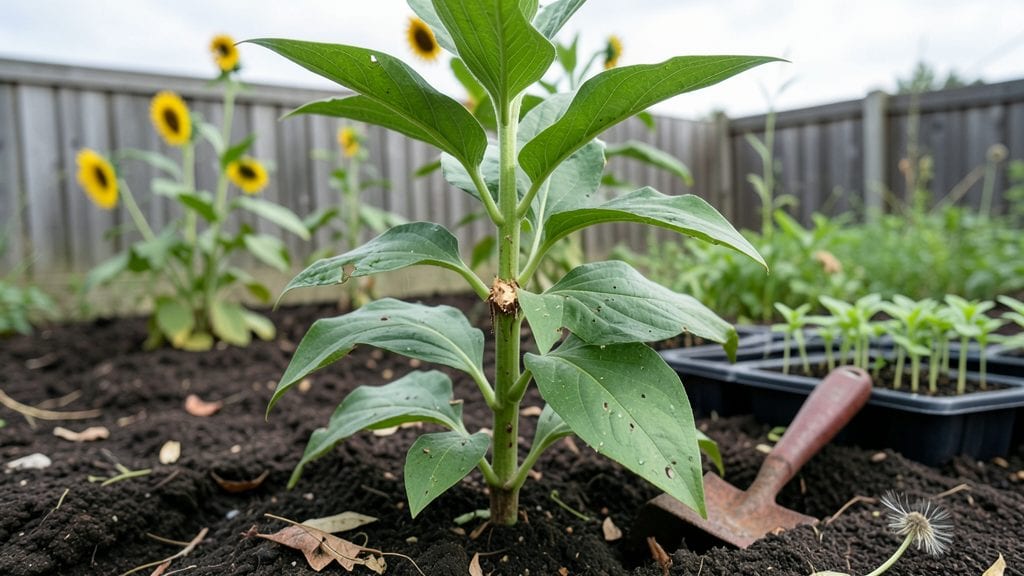
Succession planting flowers transforms a single-season garden into a year-round color show—no more bare patches or summer slumps. I learned this trick after watching my spring bulbs fade before summer blooms even began, leaving my garden looking like a half-finished painting.
The solution? A strategic rotation of flowers that bloom in waves, each variety carefully timed to take over as the last one fades.
This approach requires three key elements: a bloom-time chart of your favorite flowers, a sunlight and soil assessment of your garden beds, and a shopping list of varieties that pair well together.
Start with early bloomers like pansies or sweet alyssum, then layer in mid-season favorites like zinnias and cosmos, and finish with late-season stars like asters or chrysanthemums. The secret lies in overlapping bloom cycles—when one flower starts to wilt, another should be just opening.
By the end of the season, you’ll have a garden that looks vibrant from April through frost, with every corner bursting with color. The best part? You’ll spend less time deadheading and more time admiring a landscape that never skips a beat.
This isn’t just gardening—it’s creating a living, breathing masterpiece that evolves with the seasons.
Whether you’re working with a small city balcony or a sprawling backyard, the principles stay the same. The only difference is the scale—just adjust your plant counts and spacing to fit your space. Let’s turn your garden into a nonstop floral parade, one season at a time.
📚 In This Guide
- What you need
- Instructions
- Tips and common mistakes
- Wrapping up and next steps
What you need
- ● Flower seeds: Choose a mix of fast- and slow-growing varieties (e.g., cosmos, zinnias, marigolds, sunflowers). Aim for 3–5 different types to ensure continuous blooms.
- ● Seed-starting soil: Lightweight, well-draining mix (e.g., Pro Mix or coconut coir-based soil), 1–2 cubic feet per batch.
- ● Garden soil or compost: High-quality, nutrient-rich soil (amend with 2–3 inches of compost for optimal growth).
- ● Organic fertilizer: Balanced (e.g., 10-10-10 or fish emulsion) to boost flowering. Use 1 tbsp per plant every 4–6 weeks.
- ● Hand trowel or transplanting spade (for gentle soil work).
- ● Watering can or hose with a gentle spray nozzle (avoid blasting seeds!).
- ● Gloves (to protect hands from thorns or soil).
- ● Plant markers or labels (write down planting dates and varieties).
- ○ Row cover or shade cloth (optional, for seedlings in hot climates).
- ● Pruners or scissors (for deadheading spent blooms).
- ● Sunlight assessment: Note your garden’s full sun (6+ hrs/day), part sun (3–6 hrs), or shade (under 3 hrs) spots.
- ● Frost dates: Check your last frost date (spring) and first frost date (fall) for your zone (USDA Plant Hardiness Zone Map).
- ● Succession planting schedule: Plan 3–4 staggered plantings (e.g., every 2–3 weeks) for continuous blooms.
- ● Water source nearby: Ensure easy access for consistent moisture (especially for seedlings!).
How to plan a year-round succession planting schedule for flowers
A strategic planting calendar keeps your garden vibrant without gaps or overcrowding.
Map Your Climate and Hardiness Zones
First, identify your USDA hardiness zone to determine frost dates and seasonal windows. I always check the USDA Plant Hardiness Zone Map online—this tells me when to start cool-season flowers like pansies and when to hold off on tender annuals like zinnias. Note your average last frost date in spring and first frost in fall, then work backward and forward from those markers.
For example, in Zone 7, I plant cool-season flowers like snapdragons in early September for fall color, knowing they’ll survive light frosts. In Zone 9, where winters are mild, I might stagger plantings of petunias every 3 weeks from February through April. This ensures continuous blooms without gaps. If you’re unsure, local nursery staff can provide zone-specific guidance.
Group Flowers by Seasonal Preferences
Divide your flower selections into four categories: early spring, late spring/summer, summer/fall, and winter-hardy varieties. Early spring bloomers like primrose or sweet alyssum thrive in cool soil and tolerate light frosts, while late spring/summer flowers like cosmos or marigolds need warmer temperatures to germinate. I keep a simple chart with each flower’s ideal planting window and days to maturity.
For instance, I plant sweet peas in late winter for early spring blooms, then follow with sunflowers in early summer. By late July, I switch to cosmos and zinnias, which handle heat better. Overlapping bloom times—like planting impatiens alongside petunias—ensures no bare spots. Check seed packets for "days to bloom" to time replacements precisely.
Stagger Plantings by Succession Intervals
Calculate your succession intervals based on each flower’s maturity rate. For example, if zinnias take 45 days to bloom from seed, and you want them to flower every 2 weeks, plant a new batch every 3 weeks (45 days minus the 2-week bloom window). I use a garden planner app to set reminders for each planting date, but a simple spreadsheet works too.
For faster results, mix seeds and transplants. Plant heat-loving flowers like portulaca from seed in late spring, but buy established geraniums for instant color. This hybrid approach fills gaps while you wait for slower germinators. Always space new plantings 6-12 inches apart (depending on variety) to avoid overcrowding as they mature.
Plan for Cut-and-Come-Again Varieties
Incorporate self-seeding or prolific bloomers like cosmos, bachelor’s buttons, or nasturtiums to reduce gaps. These flowers reseed themselves, creating natural succession. I let cosmos self-sow in one corner of the garden—by mid-summer, they’re blooming continuously without my intervention. For other varieties, deadhead spent blooms to encourage new flowers, which extends their display by 2-4 weeks.
For example, I deadhead zinnias every 3 days to prompt fresh blooms, while I leave snapdragons alone—they naturally produce new spikes from the base. This cuts down on replanting needs while keeping the garden lively. Pair these with shorter-lived annuals like marigolds, which I replant every 4 weeks for a steady supply of color.
Adjust for Light and Soil Conditions
Observe how sunlight shifts across your garden throughout the day. Morning sun suits cool-season flowers like pansies, while afternoon shade works for impatiens. I test soil moisture in each bed—succession planting requires consistent hydration, especially for fast-growing varieties like alyssum. Amend soil with compost before planting to ensure nutrients are available as new growth emerges.
If your garden has partial shade, focus on shade-tolerant flowers like impatiens or begonias for succession. In full sun, prioritize heat-lovers like lantana or salvia. I rotate beds annually to prevent soil depletion, moving heavy feeders like petunias to fresh spots each season. This keeps the soil fertile and reduces the need for frequent amendments.
Tips & tricks for perfect succession planting flowers
Creating a year-round floral display requires more than just planting—it’s about timing, observation, and strategic planning. These insights will help you avoid common pitfalls and maximize your garden’s potential.
Climate-Specific Planting: Don’t rely solely on general planting charts. Local weather patterns can vary significantly from your hardiness zone’s averages. For instance, in Zone 7, I’ve found that planting snapdragons in mid-September (rather than early) gives them enough time to establish roots before the first hard frost. Always check your local weather service for the past 5 years’ frost dates—this will give you a more accurate picture than zone averages alone. Consider microclimates in your garden too; a south-facing bed warms up faster than a north-facing one, which can affect when you plant heat-loving flowers like zinnias.
Succession Intervals Made Simple: The 3-week interval for zinnias mentioned in Step 3 works beautifully, but don’t assume all flowers follow this exact pattern. For example, marigolds typically bloom in about 45 days, but they produce so many flowers that I plant them every 6 weeks instead of every 3 weeks. Create a simple chart listing each flower’s days to bloom and your desired bloom frequency—this becomes your personal succession planting calculator. I’ve found that using colored sticky notes for different flower families helps me visualize the timeline at a glance.
Deadheading Discipline: The 3-day deadheading schedule for zinnias is crucial, but some flowers need even more frequent attention. For instance, geraniums often produce new blooms every 2-3 days, so I deadhead them daily during peak bloom season. Here’s my trick: Set a phone reminder for every 3 days labeled with the flower type—this prevents missed deadheading sessions. For flowers like snapdragons that don’t need deadheading, mark them with a different color reminder so you don’t accidentally prune them. This system keeps your garden looking its best with minimal effort.
Soil Preparation Shortcut: While amending soil with compost is essential, don’t overlook the benefits of mulching. After planting, apply 2-3 inches of organic mulch to retain moisture and suppress weeds—this is particularly important for succession plantings where you’ll be working the soil frequently. I use shredded leaves in fall and straw in summer, which also adds organic matter as it breaks down. This practice reduces the need for frequent watering and gives your flowers a consistent growing environment, which is especially important for fast-growing varieties like alyssum that you’ll be planting multiple times throughout the season.
Pro Tips for Succession Planting Flowers
- Creating a year-round floral display requires more than just planting—it’s about timing, observation, and strategic planning.
- Climate-Specific Planting: Don’t rely solely on general planting charts.
- Succession Intervals Made Simple: The 3-week interval for zinnias mentioned in Step 3 works beautifully, but don’t assume all flowers follow this exact pattern.
Frequently asked questions
What does “succession planting” mean for flowers?
Succession planting is all about strategically replacing flowers as they fade or finish blooming, so your garden stays vibrant. Instead of one big splash of color, you layer short-, medium-, and long-season blooms to create a seamless “flow” of petals. Think of it like a floral relay race—each variety takes its turn shining!
When is the best time to start succession planting flowers?
Timing depends on your climate, but the golden rule is to plant new flowers every 3–6 weeks after the last batch blooms. For example:
- Cool seasons (zones 3–7): Start in early spring (March–April) and repeat through late summer (August–September).
- Warm seasons (zones 8–11): Begin in late winter (January–February) and stagger plantings until early fall.
Can I use annuals, perennials, or both for succession planting?
Both! Annuals (like zinnias, marigolds, or petunias) are ideal for quick color bursts and easy replacement. Perennials (e.g., coneflowers, black-eyed Susans) return yearly but may need deadheading or light pruning to extend their bloom time. Pro tip: Pair short-lived annuals with long-blooming perennials to minimize gaps.
What if my flowers wilt or die before their time?
Don’t panic! Common culprits include pests, disease, or poor soil. First, check for:
- Pests: Handpick chewers (like Japanese beetles) or spray neem oil.
- Heat stress: Mulch heavily and water deeply at the base in the morning.
- Over/under-watering: Most flowers hate soggy roots—aim for 1 inch of water weekly.
How do I choose flowers that “play well” together?
Pick blooms with complementary heights, colors, and bloom times. For example:
Early Season
Mid-Season
Late Season
Pansies, snapdragons
Zinnias, sunflowers
Cosmos, asters, chrysanthemums
Wrapping up and next steps
Succession planting flowers isn’t just a gardening trick—it’s your secret weapon for a vibrant, ever-changing garden that blooms all year long. 🌸 By staggering plantings and choosing the right varieties, you’ll enjoy nonstop color, fewer gaps, and a thriving landscape—without the overwhelm.
Whether you’re a seasoned gardener or just starting out, this method makes flower care feel effortless and rewarding.
Ready to transform your garden? Start small—pick one flower type or season to test the technique, then expand your plan as you gain confidence. Grab your calendar, sketch out your layout, and let nature do the rest. Your future self (and your bees!) will thank you. 🌿✨