
Pruning
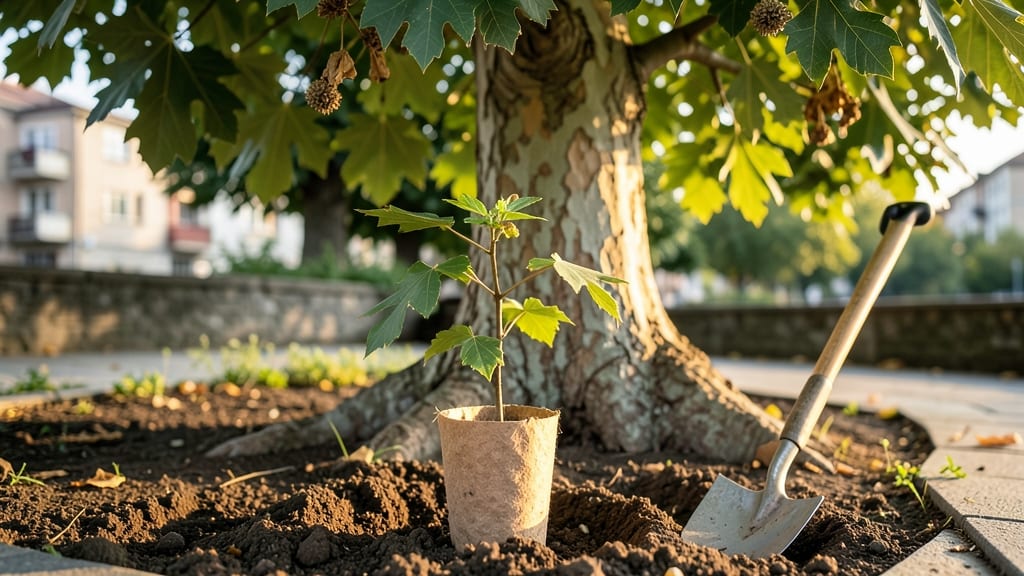
Planting trees in London means choosing varieties that handle wet winters and compacted soil—like hornbeam or field maple—while timing your work right to beat the frost. I’ve planted dozens in the city, and the difference between a thriving tree and a struggling one often comes down to these two factors.
The right species won’t just survive; they’ll become the backbone of your urban green space, providing shade and habitat for years.
London’s clay-heavy soil drains poorly, so amending with compost or planting in raised beds gives roots room to breathe. Start with a hole twice as wide as the root ball and mix in organic matter to loosen the earth.
Council schemes often provide free trees and support—check your borough’s website before buying. Even in small spaces, a well-chosen tree like a columnar oak or dwarf apple can transform a pavement or courtyard.
After planting, water deeply for the first two weeks to settle the soil, then mulch to retain moisture and block weeds. Prune only to remove dead branches—never to shape—until the tree establishes itself.
Within a year, you’ll see new growth, and by the third season, your tree will be sturdy enough to handle London’s unpredictable weather. The payoff isn’t just aesthetic; it’s a legacy for your neighborhood.
For urban gardeners, the biggest challenge is space, but creative solutions like espalier or pollarding work beautifully. London’s native species also attract wildlife, turning your tree into a mini ecosystem. Start small, think long-term, and you’ll have a tree that outlasts even the city’s red brick buildings.
📚 In This Guide
- What you need
- Instructions
- Tips and common mistakes
- Wrapping up and next steps
What you need
- ● Tree sapling: Choose a cold-hardy variety like Hornbeam (Carpinus betulus), Field Maple (Acer campestre), or Rowan (Sorbus aucuparia). Buy from a local nursery (1-3 plants, depending on space).
- ● Shovel: A round-point digging spade (24-30 inches long) for breaking ground.
- ○ Garden fork: For loosening compacted soil (optional but helpful).
- ● Wheelbarrow or bucket: To mix soil amendments (10-20 gallons capacity).
- ● Compost or organic matter: Peat-free compost (2-3 bags) or well-rotted manure to enrich the soil.
- ● Tree stake & ties: Biodegradable stakes (2-3 per tree) and soft fabric ties to support young trees.
- ● Mulch: Wood chips or bark mulch (2-3 cubic feet) to retain moisture and suppress weeds.
- ● Watering can or hose: With a gentle spray nozzle (5+ gallons capacity).
- ● Gloves & knee pads: For comfort during planting.
- ● Location check: Verify if your spot is public land (requires permission from blank">TfL or blank">City of London) or private property (confirm with landowner).
- ○ Soil test (optional): Use a DIY soil pH kit (£5-£10) to check acidity—London’s clay soil often needs amendments.
- ● Weather window: Aim for spring (March-May) or autumn (September-November) to avoid frost or drought.
- ● ✨ Drainage: If planting in a low-lying area, add a 10-15 cm layer of gravel at the bottom of the hole to prevent waterlogging.
- ● 🌡️ Cold protection: Wrap the base of young trees with tree guard in winter to shield from urban heat loss.
- ● 🎯 Native plants: Prioritize UK-native species—they thrive with minimal care and support local ecosystems!
Instructions for planting cold-resistant trees in London
London’s climate demands trees that thrive through winter and adapt to urban conditions. Here’s how to plant them properly for long-term success.
Choose the Right Location and Prepare the Hole
Select a spot with at least 6 feet of clearance around the tree’s mature width—this prevents root competition and allows airflow. London’s clay soil drains poorly, so test your site by digging a 12-inch deep hole. If water pools after 30 minutes, amend the soil with 2 inches of compost mixed into the native soil to improve drainage.
Dig the planting hole twice as wide as the root ball but no deeper. The top of the root ball should sit 2-3 inches above ground level—this prevents waterlogging and stem rot. If your tree arrives in a container, gently loosen the roots around the edges to encourage outward growth rather than circling.
Position the Tree and Backfill Carefully
Place the tree in the hole so its root flare (where roots meet the trunk) is visible above the soil line. London’s windy conditions mean young trees need extra support—install a stake only if necessary, using a wide, flexible strap (not wire) to avoid girdling the trunk. Angle the stake slightly away from the tree to allow trunk movement as it grows.
Backfill the hole in thirds, tamping down each layer lightly with your foot. This removes air pockets while keeping roots in contact with soil. Water deeply after each layer to settle the soil and eliminate gaps. Avoid compacting the soil too firmly—roots need loose, oxygen-rich soil to establish.
Mulch and Water for Establishment
Spread 3 inches of organic mulch (wood chips or bark) in a 3-foot diameter circle around the base, keeping it 6 inches away from the trunk. Mulch retains moisture and regulates soil temperature, which is critical in London’s damp winters. Replenish mulch annually as it breaks down, but never let it pile against the trunk—this invites rot.
Water the tree deeply once a week for the first 12 months, providing 10-15 gallons per watering. London’s clay holds moisture, but young roots still need consistent hydration. Check soil moisture by inserting your finger 2 inches deep—if it’s dry, water again. In winter, reduce watering but keep the root zone moist to prevent desiccation from cold winds.
Protect and Monitor Through the First Year
London’s urban environment stresses trees with pollution, foot traffic, and fluctuating temperatures. Wrap the trunk with tree guard (not plastic wrap) to shield it from physical damage and sunscald. Remove the guard after 2-3 years once the bark hardens. Prune only to remove dead or crossing branches—never top or shear young trees, as this weakens their structure.
Monitor for signs of stress, such as yellowing leaves (often from overwatering) or wilting despite moist soil (a sign of root damage). Cold-resistant varieties like London plane, horse chestnut, or silver birch handle the climate well, but even hardy trees need time to adjust. After the first year, your tree should show new growth at the tips of branches—this confirms successful establishment.
Tips & tricks for planting cold-resistant trees in London
A few key techniques will help your trees thrive in London's challenging climate. These insights come from years of working with urban forests and learning what makes the difference between a struggling sapling and a thriving mature tree.
Soil Testing Tip: The 30-minute water test in Step 1 is crucial for London's heavy clay soil. If water pools after this time, you'll know your drainage needs improvement. I always recommend testing soil from multiple spots in your yard—some areas might drain better than others. For extra insurance, consider adding a layer of coarse sand or gravel at the bottom of the planting hole before adding your amended soil.
Root Ball Preparation: When loosening container-bound roots in Step 1, focus on the outer edges rather than the center. I've seen many trees fail because their roots grew in tight circles around the container. Use your fingers to gently separate the roots outward—this encourages them to spread naturally in the soil. If you notice any roots growing into the container, trim them carefully with clean shears before planting.
Staking Strategy: London's windy conditions often make staking necessary, but many people make it worse by using the wrong method. In Step 2, the flexible strap is key—it allows the trunk to sway slightly, which actually strengthens the tree. I've seen too many trees girdled by wire stakes that cut into the bark as they grow. If you must stake, check the strap every few months to ensure it's not tightening as the trunk expands.
Watering Wisdom: The once-weekly watering in Step 3 might seem excessive, but London's clay soil can be deceptive. I recommend using a rain gauge or tuna can to measure exactly 10-15 gallons—eyeballing it often leads to underwatering. In winter, I reduce to every two weeks but always check that soil moisture at 2 inches deep. A simple soil moisture meter makes this much easier than guessing.
Pro Tips for Tree Planting London
- A few key techniques will help your trees thrive in London's challenging climate.
- Soil Testing Tip: The 30-minute water test in Step 1 is crucial for London's heavy clay soil.
- Root Ball Preparation: When loosening container-bound roots in Step 1, focus on the outer edges rather than the center.
Frequently asked questions
Got questions about planting trees in London’s chilly climate? You’re not alone!
Here are answers to the most common concerns—from timing to troubleshooting—so you can plant with confidence and watch your trees thrive year-round.
What are the best cold-resistant tree varieties for London?
London’s damp, frosty winters call for hardy species like Japanese Maple (for ornamental appeal), Hornbeam (tough and versatile), or Rowan (native and disease-resistant). For evergreens, Holly and Yew are excellent choices. Always check local nurseries for UK-grown stock—they’re already adapted to the climate!
When is the best time to plant trees in London?
The ideal window is late autumn to early spring (November–March), when the ground isn’t frozen. Avoid planting in summer heatwaves—roots struggle to establish in dry soil. For container-grown trees, you can plant year-round, but autumn is still best for root growth before winter.
Do I need to protect young trees from London’s frost?
Yes! Wrap the trunk with tree guard or burlap to prevent frost cracks, and mulch the base with organic matter (like bark chips) to insulate roots. Avoid piling mulch against the trunk—keep it 2–3 inches away to prevent rot. Water before the first frost to hydrate roots for winter.
What if my tree isn’t thriving after planting?
Check for poor drainage (soggy soil = root rot), compaction (loosen soil gently), or pests (like vine weevils). Yellow leaves? It might need more iron (use a chelated fertilizer). If branches look wilted, prune damaged areas in late winter and monitor for signs of stress.
Can I plant trees in urban London with limited space?
Opt for smaller varieties like Dwarf Korean Lilac or Columnar Apple Trees (under 10 ft tall). Use container planting for patios or raised beds, and choose pollution-tolerant species like Silver Birch to combat city smog. Just ensure 6+ feet of space for roots to spread.
Wrapping up and next steps
Planting cold-resistant trees in London isn’t just possible—it’s a rewarding way to boost biodiversity, improve air quality, and create a greener city year-round. 🌳 Whether you’re a seasoned gardener or just starting, the right species and techniques make all the difference.
Now that you’re equipped with the knowledge, take action: pick a tree, mark your calendar, and get those roots in the ground before winter sets in!
Ready to make a difference? Start small—even one tree can inspire change and set the stage for a healthier, more vibrant London. 🌱