
Pruning
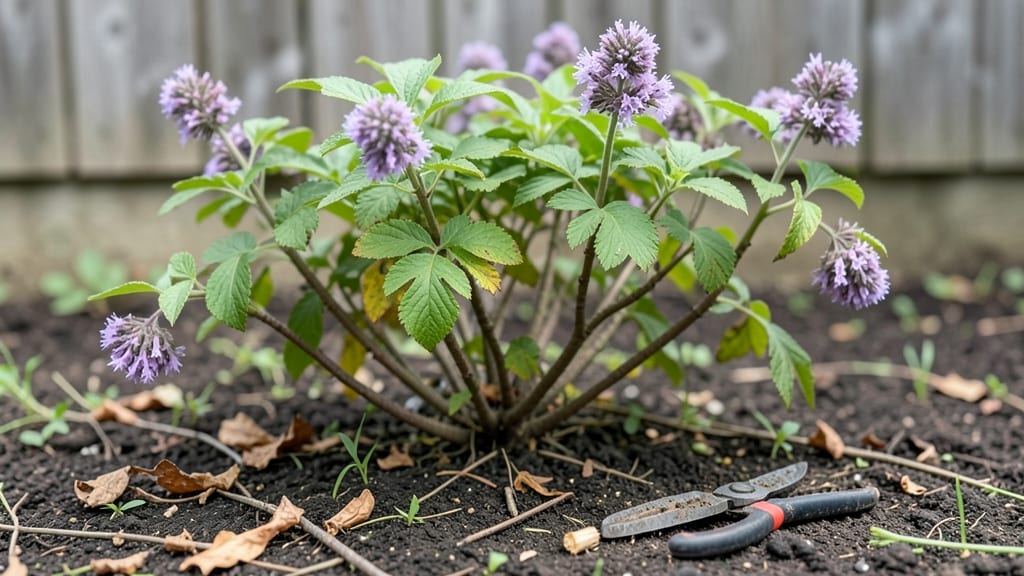
Pruning vitex plants in late winter transforms them from scraggly bushes into neat, blooming powerhouses by summer. I’ve pruned mine for years, and the difference is shocking—thicker foliage, more flowers, and fewer pests. The key is timing and technique, not brute force.
You’ll need sharp pruning shears, gloves, and a clear day to work. Focus on removing dead or crossing branches first, then cut back last year’s growth by about one-third to encourage new shoots.
The goal is to shape the plant into a rounded form, which lets sunlight reach all sides for even blooming.
After pruning, your vitex will reward you with vibrant purple blooms from early summer through fall. The fresh cuts also signal the plant to focus energy on growth rather than maintenance. Just avoid heavy pruning in fall—it stresses the plant before winter.
Common mistakes include cutting too late (after buds swell) or shearing instead of selective pruning. With practice, you’ll get the hang of it—and your neighbors will be jealous of those year-round blooms. Ready to give it a try?
📚 In This Guide
- What you need
- Instructions
- Tips and common mistakes
- Wrapping up and next steps
What you need
- ● Pruning shears: Bypass pruners (sharp, clean, and bypass-style for clean cuts) – 1 pair (for small to medium stems up to ½ inch thick).
- ● Loppers: Bypass loppers (for thicker branches, ¾ to 1½ inches thick) – 1 pair.
- ○ Hand pruners: Anvil-style (for smaller trimming tasks) – 1 pair (optional but handy).
- ● Garden gloves: Heavy-duty, cut-resistant (to protect from thorns and sap) – 1 pair.
- ● Disinfectant: 70% isopropyl alcohol or rubbing alcohol (to sterilize tools between cuts) – small bottle.
- ○ Pruning sealant: Optional but recommended (for larger cuts to prevent disease) – small tube.
- ● Trash bags or bucket: (for collecting pruned branches) – 1-2.
- ● Extension pole: (for hard-to-reach branches) – 1.
- ● Hose or spray bottle: (to clean tools and rinse sap) – 1.
- ● Marking twine or flags: (to tag branches for future reference) – small roll.
- ● Safety glasses: (if working near overhead branches) – 1 pair.
- ● Check the season (early spring or late winter is ideal for vitex pruning).
- ● Gather a clear day (avoid pruning in wet or windy conditions).
- ● Have a plan (sketch or note key branches to trim for shape and airflow).
Step-by-Step instructions for pruning vitex plants
Here's the method I've used for years to keep my vitex bushes lush, blooming, and healthy.
Assess and Prepare for Pruning
Start by examining your vitex plant for dead, diseased, or crossing branches. I always prune in late winter or early spring, just before new growth begins—this gives the plant time to recover before summer heat arrives. Grab your sharp pruning shears and gloves to protect your hands from thorns.
Remove any branches that are completely dead or showing signs of disease, like blackened stems or odd growths. These branches won't recover and can spread problems to healthy parts of the plant. Cut these back to the main stem or where the branch meets the trunk at a 45-degree angle to encourage proper healing.
Thin Out the Center and Shape the Bush
Vitex grows densely, so thinning the center is key to airflow and sunlight penetration. Look for branches growing inward or rubbing against others—these need to go. Cut these back to a strong outward-facing branch or the main stem, making sure to leave at least 3-4 buds on each remaining branch.
Shape the bush by trimming back any overly long or leggy branches. I like to keep mine rounded and compact, so I trim branches that grow too far outward. Never cut back more than one-third of the plant in a single season—this can stress the vitex and reduce blooms.
Encourage New Growth and Blooms
To promote fuller growth and more flowers, cut back the oldest wood by about one-third of its length. This stimulates new shoots from the base and mid-stem, which will produce more blooms. Focus on the outer branches first, as these often grow the longest and can become woody.
Watch for new growth emerging within 2-4 weeks after pruning. This is your signal that the plant is responding well. If you see weak or sparse new growth, you may have pruned too aggressively—adjust next time by cutting back less. Vitex blooms on new wood, so pruning now ensures a burst of color in late summer or fall.
Clean Up and Maintain Year-Round
After pruning, gather all the clippings and dispose of them properly. If you notice any signs of disease on the cut branches, do not compost them—burn or trash them instead to prevent spreading problems. Sweep up any fallen leaves or debris around the base of the plant to keep it tidy.
Water your vitex deeply after pruning to help it recover. Keep the soil evenly moist but not soggy for the first 2-3 weeks, then return to your regular watering schedule. Fertilize lightly with a balanced, slow-release fertilizer in early spring to support new growth.
Monitor and Adjust for Future Seasons
Throughout the growing season, keep an eye on your vitex for any branches that grow too long or become unruly. A quick trim with your shears in mid-summer can keep the plant looking neat and encourage more blooms. Avoid heavy pruning at this time—just light maintenance cuts to shape and redirect growth.
In late fall or winter, do a light cleanup to remove any dead or weak branches that may have appeared. This keeps the plant healthy and prepares it for another season of growth. Over time, you'll learn your vitex's natural shape and how much it needs each year—mine thrives with moderate pruning every 1-2 years.
Tips & tricks for perfect vitex plant pruning
Pruning vitex properly can transform a wild, unruly bush into a thriving, blooming centerpiece. Here’s how to avoid common mistakes and get the best results every time.
The Timing Factor: Late winter or early spring is the ideal window for pruning vitex, right before new growth appears. This timing gives your plant plenty of time to recover before summer heat arrives. I’ve learned the hard way that pruning too early can leave your vitex vulnerable to cold snaps, while pruning too late may cut off potential blooms for the season. If you miss this window, a light cleanup in late fall or winter will still help, but you’ll sacrifice some of the summer blooms.
Cutting Technique Matters: When you’re removing branches, always make clean cuts at a 45-degree angle just above a leaf node or bud. This angle helps water run off the cut and prevents it from sitting on the wound, which can lead to rot. In Step 1, when you’re dealing with dead or diseased branches, cut all the way back to the main stem—don’t leave any stubs. For healthy branches in Step 2, leave at least 3-4 buds on each remaining branch to encourage new growth. I’ve seen beginners leave too many buds, which can lead to overcrowding and fewer blooms.
Pruning Strategy for Blooms: Vitex blooms on new wood, so the key to more flowers is encouraging fresh growth. In Step 3, focus on cutting back the oldest wood by about one-third of its length, especially on the outer branches. This stimulates new shoots from the base and mid-stem. I’ve noticed that if I prune too lightly, my vitex gets leggy and sparse, but if I go too heavy, it can stress the plant and reduce blooms. The goal is to find that sweet spot where you’re promoting new growth without overdoing it.
Post-Pruning Care: After you’ve finished pruning, don’t just walk away—your vitex needs some TLC to recover. Water deeply right after pruning to help the plant bounce back, and keep the soil evenly moist (but not soggy) for the first 2-3 weeks. In Step 4, I always fertilize lightly with a balanced, slow-release fertilizer in early spring to give the new growth a boost. This extra care makes all the difference in how quickly your vitex recovers and how well it blooms later in the season.
Pro Tips for Vitex Plant Pruning
- Pruning vitex properly can transform a wild, unruly bush into a thriving, blooming centerpiece.
- The Timing Factor: Late winter or early spring is the ideal window for pruning vitex, right before new growth appears.
- Cutting Technique Matters: When you’re removing branches, always make clean cuts at a 45-degree angle just above a leaf node or bud.
Frequently asked questions
Got questions about pruning your Vitex plant? You’re not alone! Here are some of the most common concerns—plus clear, actionable answers to keep your plant thriving.
When is the best time to prune Vitex for maximum blooms?
The ideal window is late winter or early spring (just before new growth starts), but you can also do a light trim after flowering to shape the plant. Avoid heavy pruning in fall—it stunts winter hardiness. Pro tip: If you’re in a warm climate, a second light trim in late summer can encourage a second flush of flowers!
How much can I cut back my Vitex without harming it?
Vitex is tough—you can safely remove up to ⅓ of the plant’s height in one go, especially if it’s overgrown. For mature plants, aim to prune back to 12–18 inches from the ground to encourage bushier growth. Over-pruning (beyond ⅓) may delay blooming but won’t kill the plant. Warning: Never cut into old wood—focus on new shoots!
What if my Vitex doesn’t bloom after pruning?
If your Vitex skips blooms, it’s often due to over-pruning in fall or not enough sunlight. Try these fixes:
- Move it to full sun (6+ hours/day).
- Avoid heavy pruning until spring.
- Fertilize lightly with phosphorus-rich food (like 5-10-5) in early spring.
Do I need special tools to prune Vitex?
Not necessarily! Basic tools like bypass pruners (for small stems) and loppers (for thicker branches) work well. For large, woody growth, a pruning saw is handy. Disinfect tools with rubbing alcohol between cuts to prevent disease. Bonus: Wear gloves—Vitex leaves can be sharp!
Can I propagate Vitex from pruned cuttings?
Take 4–6 inch cuttings from healthy, non-flowering stems in spring or early summer. Dip in rooting hormone, plant in moist potting mix, and keep humid (use a plastic bag or propagator). Roots should form in 4–8 weeks. Pro tip: Vitex rooting is easier in warmth—place cuttings near a sunny window or under grow lights.
Wrapping up and next steps
Pruning your vitex plant isn’t just about keeping it tidy—it’s the secret to vibrant, long-lasting blooms and a healthier shrub! 🌸 By mastering seasonal trims, you’ll encourage lush growth, prevent overcrowding, and even shape it to fit your space.
Whether you’re a pruning pro or just starting, every snip brings you closer to a stunning, thriving vitex.
Ready to see the results? Grab your shears and schedule your next pruning session—your vitex will thank you with a showstopping display of purple blooms all season long! 🌿