Watering
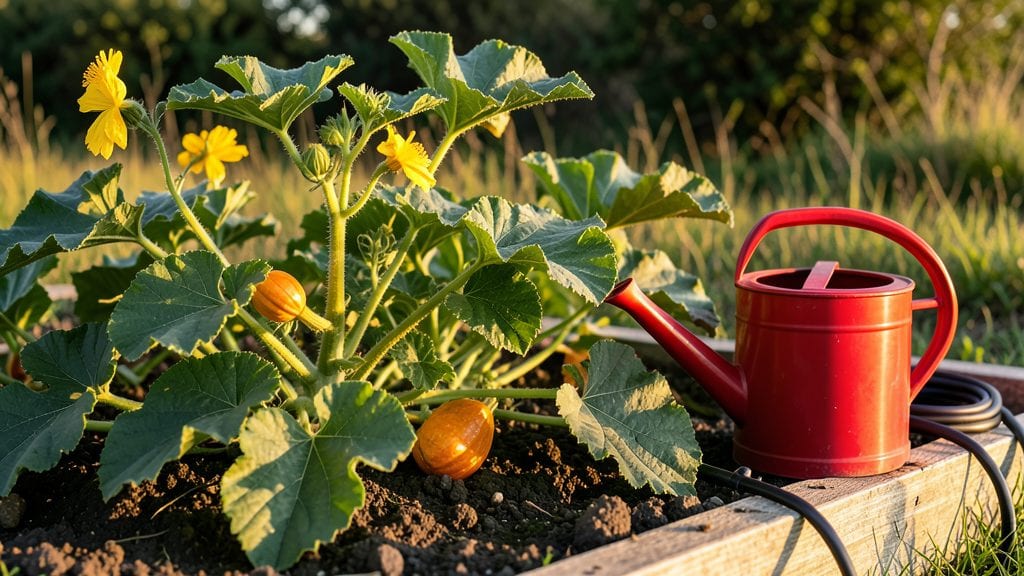
Watering pumpkin plants is the secret to growing plump, disease-free 🎃 fruits that win at the county fair—yet most gardeners either drown their vines or leave them parched.
Pumpkins thrive with the right watering routine—but get it wrong, and you’ll watch your vines wilt or your fruits rot. Discover the exact schedule and techniques to grow plump, healthy pumpkins every season.
From seedlings to harvest, your watering approach changes dramatically. Too much early on? You’ll stunt roots. Too little during flowering? Your blossoms won’t set fruit. I’ll break down the best times, how deep to water, and when to pull back as fall approaches.
Whether you’re using a hose, drip system, or just your trusty watering can, these tips will help you avoid the most common mistakes—and keep your pumpkins thriving from March all the way to October.
Optimal watering schedule for pumpkin plants by growth stage
Pumpkins need consistent moisture to grow those iconic hefty fruits, but their water needs change dramatically from seedling to harvest. Too little water stunts growth, while too much causes rot. The key is deep, infrequent watering that keeps roots happy without drowning them.
Young seedlings have delicate roots that dry out quickly, while mature vines with sprawling canopies need 1-2 inches of water weekly—especially during fruit development. Heatwaves? Double-check soil moisture daily. Drought stress can cause blossom-end rot or cracked pumpkins.
Here’s my stage-by-stage watering guide, including soil moisture targets and drought recovery tips to keep your pumpkins thriving from sprout to harvest.
For seedlings, I use a spray bottle to mist soil lightly—this mimics natural rainfall and prevents seed rot.
Once true leaves appear, switch to a watering can with a rose attachment to deliver water slowly at the base. Morning watering is best to let foliage dry before nightfall, reducing fungal risks like powdery mildew.
During vine establishment (weeks 3-6), pumpkins need 3-4 inches of moisture in the topsoil. Test with your finger: if the first 2 inches feel dry, it’s time to water. Mulch heavily with straw to retain moisture and suppress weeds. Pro tip: Water deeply but infrequently to encourage deep root growth.
When flowers appear (weeks 6-8), consistency is everything. Even a single day of drought can cause blossoms to drop before pollination. I set a reminder to check soil moisture daily during heatwaves. Drip irrigation is ideal here—it delivers water directly to roots without wetting leaves, which helps prevent diseases.
At the fruiting stage (weeks 8-12), pumpkins need 1-2 inches of water weekly, but adjust for heat. If temps hit 90°F+, increase to every 2-3 days.
Focus water on the root zone—avoid splashing water on leaves or fruits to prevent bacterial soft rot. Use a soaker hose for even distribution.
As harvest nears (weeks 12+), reduce watering to once weekly to let the soil dry slightly. This helps harden the rind and improve storage life. If your pumpkins are cracking, they need more water; if they’re soft or mushy, cut back immediately.
Always harvest on a dry day to prevent rot during storage.
Recovering from drought? Don’t overwater suddenly—this can cause root rot. Instead, water deeply but gradually over 2-3 days, then monitor soil moisture closely. For wilting vines, trim damaged leaves and water at the base. With patience, pumpkins bounce back surprisingly well!
Signs of overwatering vs. underwatering pumpkin plants (and how to fix it)
Pumpkins need consistent moisture, but too much or too little water can spell disaster. Overwatering drowns roots, while underwatering stunts growth—both can ruin your harvest. Learning to spot these signs early saves your plants and your pumpkins. I’ve grown pumpkins for years, and I’ve seen both mistakes firsthand.
Start by checking the soil moisture with your finger. Healthy pumpkin roots thrive in well-draining soil that stays moist but not soggy. If you’re unsure, grab a handful of soil—it should crumble easily when dry but hold its shape when lightly squeezed. This is the ideal moisture level for pumpkins.
Overwatering vs. Underwatering: Quick Fixes
Overwatering
- Yellow leaves (especially lower leaves)
- Mushy stems or blackened roots
- Fungal growth (powdery mildew, blight)
- Slow growth despite frequent watering
Underwatering
- Wilting leaves (even in morning)
- Dry, crispy edges on leaves
- Stunted vine growth or no flowers
- Small, hard pumpkins (if any form)
If your pumpkin leaves start turning yellow and feel mushy, you’re likely overwatering. This creates the perfect environment for root rot and fungal diseases. The first step is to stop watering immediately.
Let the top 2-3 inches of soil dry out before watering again. Adding organic compost improves soil structure and prevents compaction, which helps roots breathe.
On the flip side, underwatered pumpkins show wilting leaves that don’t perk up, even after watering. The soil around the roots may pull away from the pot or ground, revealing dry, cracked earth.
In extreme cases, the vines stop growing entirely. To fix this, water deeply—aim for 1-2 inches of water per session—and repeat every 2-3 days during hot weather.
Don’t forget about mulching! A 2-3 inch layer of straw or shredded leaves keeps soil moisture consistent and reduces evaporation. I’ve seen mulched pumpkin patches stay hydrated for days longer than unmulched ones. Plus, it suppresses weeds, which compete for water and nutrients.
Pay attention to the fruit development too. Overwatered pumpkins may develop soft spots or rot, while underwatered ones stay small and hard. If you notice blossom end rot (a dark, sunken spot on the pumpkin’s bottom), it’s often a sign of inconsistent watering.
Adjust your routine to keep soil evenly moist, especially during flowering and fruiting stages.
When in doubt, observe your pumpkins daily. Healthy vines should look vigorous and green, with leaves that stand upright. If you see any of these signs early, act fast—your pumpkin harvest depends on it! 🎃