
Pests
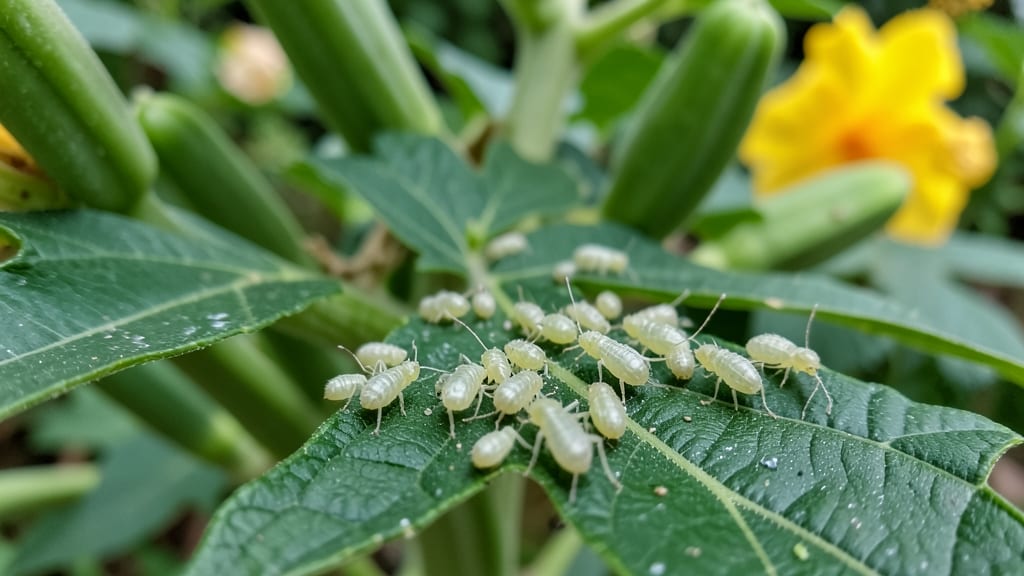
Aphids on okra plants can turn your harvest into a sticky mess in no time. 🌱 I’ve watched these tiny green invaders drain sap from my okra, leaving leaves curled and pods stunted—until I discovered a 24-hour natural spray that works every time.
The key is acting fast before they multiply and spread to other plants.
Most gardeners reach for chemical sprays, but I’ve found that a mix of neem oil, water, and a drop of dish soap disrupts aphids’ life cycle without harming your okra.
You’ll need just 1 tablespoon of neem oil, 1 teaspoon of soap, and 1 quart of water—simple, effective, and ready in minutes. Spray the undersides of leaves where aphids hide, and reapply every 3-4 days until they’re gone.
Within 24 hours, you’ll see aphids dropping off or dying, and new growth will look fresher by the next morning. The best part? This spray also deters future pests, so your okra stays healthy and productive.
Just be sure to spray in the evening to avoid harming beneficial insects like ladybugs.
For severe infestations, repeat the spray twice daily for two days, and consider introducing ladybugs or lacewings as natural predators. The secret to keeping okra thriving is early action—don’t wait until the plants are wilted and stressed. Once you master this method, aphids won’t stand a chance.
Root Causes Of Okra Aphid Infestations
Aphids don’t just randomly appear on your okra plants—they’re drawn by specific conditions that make your garden a five-star buffet. Understanding these triggers is the first step to stopping them before they multiply.
Let’s break down the science behind why aphids target okra and how environmental factors play into their invasion.
Aphids thrive where plants are stressed or struggling to defend themselves. Okra, like many crops, produces natural compounds to deter pests—but when these defenses are compromised, aphids move in like uninvited guests.
- Nutrient Deficiencies: Aphids are particularly attracted to plants lacking essential nutrients like nitrogen or phosphorus. These deficiencies weaken the plant’s cell walls, making it easier for aphids to pierce and feed on sap. Test your soil—low nitrogen (indicated by pale yellow leaves) is a red flag.
- Over-Fertilization: While you might think extra fertilizer helps, too much nitrogen (especially synthetic forms) can make okra plants soft and sugary—aphids’ favorite snack. Balance is key: Use organic fertilizers like compost or fish emulsion for a slower, more controlled nutrient release.
- Water Stress: Both overwatering and drought stress weaken okra. Overwatered plants develop mushy stems (easy targets for aphids), while underwatered plants produce sticky honeydew as a stress response—aphids love this sticky trap.
💡 Pro Tip: Healthy okra plants with firm stems and vibrant green leaves are far less appealing to aphids. Rotate crops and mulch to maintain steady moisture and nutrient levels.
Aphids don’t just feed on okra—they’re drawn by the plant’s chemical cues. Okra emits volatile organic compounds (VOCs) when stressed or flowering, which act like a dinner bell for aphids and other pests.
- New Growth: Aphids prefer tender, new leaves because they’re packed with easily accessible sap. If your okra is producing rapid new shoots (common in warm weather), aphids will flock to the youngest growth first.
- Flowering Stages: When okra blooms, it releases sugary nectar and pheromones that attract not only pollinators but also aphids. Prune spent flowers regularly to reduce this aphid magnet.
- Honeydew Feedback Loop:
Aphids excrete honeydew, a sticky sugar-rich waste that:
- Attracts more aphids (they follow scent trails).
- Encourages sooty mold growth (black fungus), further stressing the plant.
- Lures ants, which protect aphids in exchange for honeydew (a classic pest partnership).
🔥 Actionable Fix: If you spot aphids on flowers, snip them off immediately and drop them into soapy water. This breaks the honeydew cycle before it spreads.
Aphids are cold-blooded insects, meaning they’re highly sensitive to temperature and humidity. Your okra garden might be accidentally creating the perfect aphid paradise.
| Factor | Aphid-Loving Range | Okra’s Preference |
|---|---|---|
| Temperature | 60–75°F (15–24°C) | 80–95°F (27–35°C) for optimal growth |
| Humidity | 60–80% (high moisture) | 40–60% (drier conditions reduce fungal risks) |
| Shelter | Dense foliage, nearby weeds | Open, airy spacing (but aphids hide in clutter!) |
In warmer climates, aphids may still infest okra, but they multiply faster in cooler, humid conditions. 🌡️ Monitor your microclimate: Use shade cloth in peak sun hours or improve airflow with pruning to deter aphids.
Aphids rarely work alone—they’re part of a hidden ecosystem that includes ants, whiteflies, and even other aphid species. These alliances make infestations harder to control.
- Ants as Bodyguards: Ants farm aphids, protecting them from predators (like ladybugs) in exchange for honeydew. If you see ants crawling on your okra, aphids are likely nearby—or already feasting.
- Secondary Pests: Aphids damage plants enough to attract whiteflies, thrips, or spider mites, which further weaken the okra. Break the chain: Address aphids early to prevent a full-blown pest invasion.
- Windborne Migration: Aphids can hitch rides on wind currents or even other insects (like bees) to new plants. If neighboring gardens have aphids, your okra is at risk.
✨ Strategic Move: Set up yellow sticky traps near your okra to catch migrating aphids before they land. Place traps 1–2 feet above the plant for best results.
Quick Fixes for Aphid-Infested Okra
Aphids may feel like a tiny, relentless army, but with the right strategies, you can reclaim your okra plants in no time. Below are targeted solutions based on the most common causes—from overcrowded gardens to weak plant defenses—and how to tackle them effectively.
Each method is designed to be practical, fast, and eco-friendly, so you can get back to harvesting crisp, pest-free okra.
Aphids thrive in dense, shaded foliage where they can hide and multiply undetected. If your okra plants are packed too closely, prune aggressively and thin out the stems.
How to Fix It:
- 🌿 Trim Back Heavily Infested Leaves
- Use sterilized pruning shears to snip off leaves with clusters of aphids. Dispose of them in a sealed bag (not your compost!) to prevent spread.
- Focus on the undersides of leaves—aphids love the shade there.
- 📏 Space Out Your Okra
- Okra needs 18–24 inches of space between plants. If your garden is too tight, transplant some to a new spot.
- Pro Tip: 💡 Stake or cage your okra plants to improve airflow and make inspections easier.
- 🌞 Increase Sunlight Exposure
- Aphids prefer shady spots. If possible, move your okra to a sunnier location or thin nearby plants (like tomatoes or peppers) to let more light in.
Healthy plants resist aphids naturally. If your okra is struggling due to poor soil, lack of nutrients, or stress, boost its immunity with these steps.
How to Fix It:
- 💧 Water at the Base, Not the Leaves - Aphids are attracted to damp foliage.
Water your okra early in the morning at soil level to keep leaves dry. - Pro Tip: 🌡️ Use a watering can with a narrow spout to avoid splashing leaves.
- 🌱 Feed with Nutrient-Rich Compost
- Aphids target stressed plants. Amend your soil with:
- Well-aged compost (rich in nitrogen for leafy growth)
- Fish emulsion or seaweed extract (boosts natural pest resistance)
- Avoid over-fertilizing—too much nitrogen makes plants soft and aphid-magnets!
- Aphids target stressed plants. Amend your soil with:
- 🍃 Introduce Beneficial Insects
- Ladybugs, lacewings, and parasitic wasps (like Aphidius colemani) devour aphids. Buy them online or attract them naturally with:
- Dill, fennel, or yarrow planted nearby (they love these flowers).
- Aphid-infested leaves left in a shaded spot—beneficial insects will find them.
- Ladybugs, lacewings, and parasitic wasps (like Aphidius colemani) devour aphids. Buy them online or attract them naturally with:
If aphids have already taken hold, natural sprays can knock them back in 24 hours without harming your okra or the environment.
How to Fix It:
- 🔪 Homemade Soap Spray (Best for Heavy Infestations)
- Ingredients:
- 1 tbsp mild liquid soap (like Castile soap)
- 1 quart water
- 1 tsp vegetable oil (helps it stick)
- How to Use:
- Mix in a spray bottle and apply directly to aphids (especially undersides of leaves).
- Reapply every 3–4 days until gone.
- ⚠️ Warning: Test on a small leaf first—some plants are sensitive to soap.
- Ingredients:
- 🌿 Neem Oil Spray (Prevents Regrowth)
- Ingredients:
- 1 tbsp neem oil
- 1 tsp honey or dish soap (as an emulsifier)
- 1 quart water
- How to Use:
- Shake well and spray all plant surfaces (aphids, eggs, and larvae).
- Best time: Early morning or late evening (avoid direct sunlight).
- Pro Tip: ✨ Neem oil also deters future aphid attacks—use it as a preventive spray every 2 weeks.
- Ingredients:
- 🍋 Garlic & Chili Pepper Spray (Aphids Hate It!) - Ingredients: - 2 cloves garlic, blended - 1 tbsp chili powder (or chopped peppers) - 1 quart water - 1 tsp soapy water - How to Use: - Strain, spray, and reapply every 2–3 days.
Aphids avoid the strong scent.
Once you’ve banished aphids, stop them from returning with these low-maintenance habits:
- 🌱 Interplant with Aphid Repellents
- Grow marigolds, basil, or onions near your okra—their strong scents confuse aphids.
- 🕷️ Encourage Ground Predators
- Spiders, ground beetles, and birds eat aphids. Avoid pesticides that kill them!
- 🔍 Inspect Regularly
- Check new leaves and flower buds weekly. Catching aphids early = less work later.
- 🌿 Rotate Crops
- If aphids are a yearly issue, avoid planting okra in the same spot—they may have laid eggs in the soil.
Final Thought: Aphids may be pesky, but with quick action and smart prevention, your okra can bounce back stronger than ever. Try one method today, and watch those little pests disappear in days! 🚀
Frequently asked questions
Why do aphids specifically target okra plants?
Aphids love okra because its tender new growth and flowering stages produce sugary sap they crave. Stress factors like nutrient deficiencies or overwatering make okra even more attractive to them. They also thrive in okra's dense foliage where they can hide from predators.
How quickly will my okra recover after treating aphids?
With immediate action, you'll see aphids dropping off within 24 hours of applying neem oil or soap spray. New growth should appear within 3-5 days as the plant recovers. For severe cases, repeat treatments every 3-4 days until the infestation is fully gone.
Can I use chemical pesticides on okra aphids?
While chemical pesticides work, they can harm beneficial insects and leave residues on edible okra pods. For food safety, always opt for natural remedies first. If chemicals are necessary, choose organic-approved options like pyrethrin and apply only when pods are fully mature.
What's the best time of day to spray for aphids?
Spray in the early morning or late evening when temperatures are cooler and beneficial insects are less active. Avoid spraying during peak sun hours (10am-4pm) as this can harm your okra plants and reduce the effectiveness of natural sprays.
Will aphids come back after I treat them?
Yes, but you can prevent recurrence by maintaining plant health and using preventive measures. Apply neem oil spray every 2 weeks, plant companion crops like marigolds, and encourage natural predators. Regular inspections catch new infestations before they spread.