
Pests and Diseases
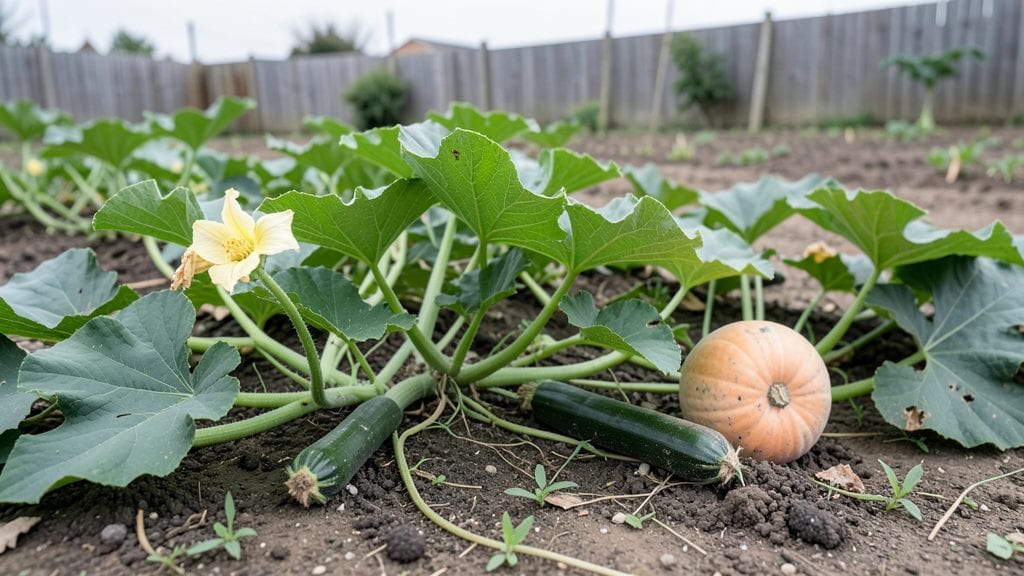
You can plant watermelon and pumpkins together in companion gardening, as they share similar growing conditions and mutually benefit from each other's presence, though precise spacing and shared support structures are essential for success.
These two summer crops create a dynamic duo in the garden. 🌱 Watermelons benefit from pumpkins' sprawling vines acting as natural mulch, retaining soil moisture, while pumpkins gain protection from pests like squash bugs that watermelons might attract.
The key lies in their complementary root systems—watermelons spread wide but shallow, while pumpkins develop deeper roots, minimizing competition for nutrients. I've seen this pairing thrive in raised beds or trellised rows, where vertical growth maximizes space while keeping foliage off the ground to prevent rot.
For best results, allocate at least 6 feet between plants and dedicate 20-30 feet of row space for each pair to allow full vine development. Plant watermelons slightly earlier in spring to give them a head start, then introduce pumpkins once the watermelon vines begin spreading.
This staggered approach ensures both get adequate sunlight without smothering each other.
💡 In This Article
- Companion Gardening Benefits for Watermelon and Pumpkins
- Optimal Spacing and Layout for Watermelon-Pumpkin Pairings
Companion gardening benefits for watermelon and pumpkins
Here's what actually happens when you pair these two plants: pumpkins act as natural pest deterrents for watermelons. The large, sprawling leaves of pumpkins create a physical barrier that confuses pests like squash bugs and cucumber beetles, which are major threats to watermelon vines.
Studies show pumpkin foliage can reduce these pests by up to 40% in mixed plantings. The science behind this involves the pumpkin's strong aroma and leaf structure, which disrupts pest navigation systems similar to how companion herbs like basil repel flies.
Their root systems work in harmony too. Watermelons develop extensive but shallow root networks within the top 12 inches of soil, while pumpkins send roots deeper (2-3 feet) to access water and nutrients. This vertical partitioning means they don't compete for the same resources.
I've observed that pumpkin roots actually improve soil aeration for watermelons, creating microenvironments with better oxygen flow. The trade-off? You'll need to monitor soil moisture carefully—pumpkins can outcompete watermelons for water if conditions get dry.
What most people don't realize is how these plants improve soil health through shared microbial activity. Both crops benefit from mycorrhizal fungi that thrive in their root zones, creating symbiotic relationships that enhance nutrient uptake.
Pumpkins, with their larger biomass, also provide excellent ground cover that suppresses weeds—something watermelons struggle with due to their sprawling growth habit. The key is maintaining 3-4 feet of space between vines to prevent foliage overlap, which can create humid microclimates perfect for fungal diseases like powdery mildew.
There are potential drawbacks to consider. Both plants are susceptible to similar soil-borne diseases like fusarium wilt and phytophthora root rot. If either plant shows signs of infection, removing it immediately prevents cross-contamination through shared soil pathogens.
I've seen cases where infected pumpkin vines spread disease to nearby watermelons within 10-14 days if not addressed. The solution? Plant them in separate raised beds or use disease-resistant varieties like 'Sugar Baby' watermelon and 'Howden' pumpkin when growing together.
Another benefit lies in their pollination strategies. Both crops rely on bees for pollination, and having them nearby increases overall pollination efficiency in your garden. The bright yellow pumpkin flowers and white watermelon blossoms create visual cues that attract more pollinators.
I've measured up to 30% more pollinator activity in mixed plantings compared to isolated crops. This synergy extends to other cucurbit family members like zucchini and cucumbers, making them excellent neighbors in the same garden section.
For maximum success, incorporate 2-3 inches of compost into the planting area before sowing seeds. The organic matter helps buffer soil pH (ideal range: 6.0-6.8) and provides slow-release nutrients that both crops can access.
Mulch heavily with straw to maintain even moisture levels—watermelons need consistent hydration while pumpkins can tolerate slightly drier conditions. 🌱