
Planting
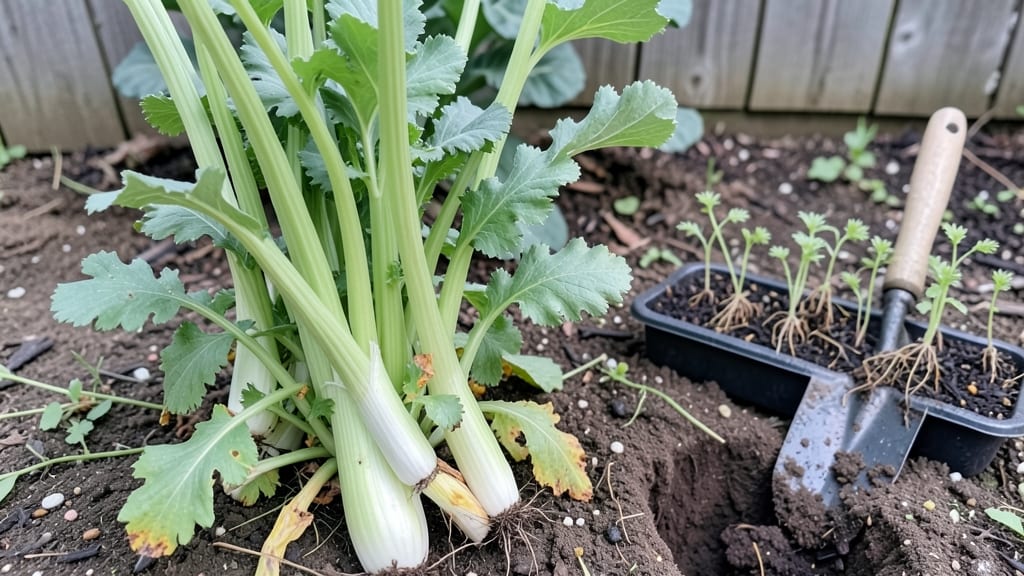
Here are celery planting tips that turn stubborn seeds into lush, sturdy stalks—no more wimpy transplants, just bold harvests. patience, and a few sneaky techniques most guides skip.
Start seeds indoors 8-10 weeks before last frost in warm soil (70°F+), because cold soil is the #1 reason celery seeds fail to sprout. Use a shallow tray with moistened potting mix, press seeds just below the surface, and keep them in bright, indirect light.
Once seedlings pop—usually in 2-3 weeks—thin to 2 inches apart and harden off before transplanting.
📚 In This Guide
- What you need
- Instructions
- Tips and common mistakes
- Wrapping up and next steps
What you need
- ● Celery Seeds or Seedlings: Seeds: 1 packet (approx. 500 seeds) or 10-15 organic, non-GMO seeds for direct sowing.
- ● Seedlings: 3-5 healthy transplants (if starting indoors or buying young plants).
- ● Growing Containers or Garden Bed: Containers: 5-gallon pots or larger (minimum 12" deep) with drainage holes.
- ● Garden Bed: A well-draining, sunny spot (6+ hours of sunlight daily) with loose, fertile soil.
- ● Potting Mix or Soil: 1 part high-quality potting mix (or garden soil).
- ● 1 part peat moss or coconut coir (for moisture retention).
- ● 1 part perlite or vermiculite (for aeration).
- ● Fertilizer: Balanced fertilizer (10-10-10 or 5-5-5) or compost (for organic gardening).
- ○ Liquid seaweed extract (optional, for a growth boost).
- ● Watering Supplies: Watering can or hose with a gentle spray nozzle (celery hates soggy roots!).
- ● Mulch (straw or shredded leaves) to retain moisture.
- ○ Optional (But Helpful!) Extras: Garden twine or stakes (to support tall stalks).
- ● Plant labels (celery looks like other greens—keep track!).
- ● Grow lights (if starting indoors in low-light areas).
- ● Epsom salt (1 tbsp per gallon of water monthly for magnesium).
Instructions for planting celery like a pro
Celery thrives with patience and precision—here’s how to grow thick, flavorful stalks year-round.
Prepare the Soil for Maximum Growth
Celery demands rich, moisture-retentive soil with a neutral pH of 6.5–7.0. Work 2–3 inches of compost into the top 6–8 inches of your garden bed or container mix. I like to blend in a handful of aged manure for extra nutrients, but avoid fresh manure—it can burn tender roots. The soil should feel like a damp sponge when squeezed; if it crumbles, add pearlite or vermiculite to improve drainage.
Before planting, loosen the soil to a depth of 12 inches with a garden fork. Celery roots spread wide, so avoid compacted layers that restrict growth. If your soil drains poorly, create raised beds or plant in containers with drainage holes. The goal is a fluffy, airy medium that holds moisture without waterlogging—celery’s Achilles’ heel.
Plant Seeds or Transplants at the Right Time
Celery takes 100–140 days to mature, so start seeds indoors 8–10 weeks before your last frost or buy transplants from a nursery. Plant seeds ¼ inch deep in rows spaced 12–18 inches apart, thinning seedlings to 6 inches apart once they develop 2–3 true leaves. If using transplants, set them 12 inches apart in all directions—crowding leads to weak, spindly stalks.
Here’s the trick: soak seeds overnight before planting to soften the tough outer coating. This speeds germination, which can take 10–20 days in cool soil. After planting, press the soil gently around each seed to ensure good contact. Water lightly but keep the soil consistently moist—never soggy—until germination. A seedling heat mat at 70–75°F can cut germination time in half if you’re impatient.
Provide Consistent Moisture and Shade
Celery is 90% water, so mulch heavily with 2–3 inches of straw or shredded leaves to retain moisture and suppress weeds. Water deeply once a week, aiming for 1–1.5 inches of water per week, and more during dry spells. The soil should stay evenly moist but never waterlogged—celery roots rot faster than you can say “bolting.”
Young plants need partial shade (3–4 hours of morning sun) to prevent bolting, especially in hot climates. As they mature, gradually increase sun exposure to 4–6 hours daily. Watch for yellowing leaves—this is your signal to adjust shade or water. If leaves turn bitter or stalks become woody, you’re either underwatering or over-fertilizing. Celery is a diva; it demands balance.
Fertilize and Thin for Bushier Stalks
Feed celery with a balanced, low-nitrogen fertilizer (like 5-5-5) every 4–6 weeks once seedlings are established. Too much nitrogen produces leafy growth at the expense of stalks. I like to side-dress with compost tea mid-season for a gentle nutrient boost. Thin seedlings to 6 inches apart when they’re 4–6 inches tall—this prevents competition and encourages thicker stalks.
Here’s a pro move: blanch the stalks for sweeter flavor. When plants reach 12 inches tall, tie the outer leaves together loosely with twine or a rubber band. This shades the inner stalks, preventing greening and keeping them crisp. Check weekly—if stalks turn green, untie and re-blanch. Harvest outer stalks first to avoid damaging the center. You’ll know it’s ready when stalks are ½–¾ inch thick and crisp.
Extend the Season with Smart Planning
For year-round harvests, plant successive crops every 2–3 weeks in spring and fall. In warm climates, use shade cloth to protect plants during summer heat. In cold regions, grow celery under row covers or in a cold frame to extend the season. I’ve grown celery through light frosts (down to 25°F) with minimal damage—just add extra mulch for insulation.
To overwinter celery, cut back foliage by half before the first frost and mulch heavily. The roots will survive and produce new growth in spring. If you’re growing in containers, move them to a garage or shed and water sparingly until spring. With this method, you’ll have fresh celery for salads, soups, or snacks nearly year-round—no grocery store required.
Tips & tricks for perfect celery planting
Growing celery successfully isn't just about following steps—it's about understanding the subtle details that make all the difference between mediocre stalks and restaurant-quality harvests.
Soil Preparation Insight: When amending your soil with 2-3 inches of compost and aged manure, focus on creating a crumbly texture rather than a powdery one. I've found that adding a handful of perlite to the mix improves aeration without compromising moisture retention. The key is achieving that "damp sponge" consistency—if it crumbles when squeezed, you need more moisture retention. For container gardening, use a blend of 60% potting soil, 20% compost, and 20% perlite to mimic ideal garden conditions.
Seedling Heat Mat Strategy: That 70-75°F heat mat recommendation isn't just about speeding germination—it's about creating optimal conditions for those delicate celery seedlings. I've had the best results using a mat set to 72°F consistently. Place a small thermometer on the mat to monitor temperature accurately, as fluctuations can stress young plants. Remember that while this speeds germination from 10-20 days to about 7-10 days, you still need to maintain consistent moisture during this period.
Blanching Technique Refinement: The blanching method mentioned for 12-inch plants deserves extra attention. I've found that using soft twine or even rubber bands works better than plastic ties, which can cut into the tender stalks. When checking weekly for greening, look for the first signs of green along the inner stalks—this is your cue to re-blanch immediately. For even sweeter results, I've started blanching slightly earlier, when plants reach about 10 inches, which gives me an extra week of optimal flavor development before harvest.
Season Extension Hacks: For winter protection in cold climates, I've had excellent results using a combination of row covers and straw mulch. When temperatures approach 25°F, add an extra 2-3 inches of straw mulch over the row covers. This insulation can make the difference between survival and frost damage. In containers, move them to an unheated garage or shed where temperatures stay above freezing, but below 50°F—this prevents both frost damage and excessive growth that can weaken the plants before spring.
Pro Tips for Celery Planting Tips
- Growing celery successfully isn't just about following steps—it's about understanding the subtle details that make all the difference between mediocre stalks and restaurant-quality harvests.
- Soil Preparation Insight: When amending your soil with 2-3 inches of compost and aged manure, focus on creating a crumbly texture rather than a powdery one.
- Seedling Heat Mat Strategy: That 70-75°F heat mat recommendation isn't just about speeding germination—it's about creating optimal conditions for those delicate celery seedlings.
Frequently asked questions
Got questions about growing celery? You’re not alone! Here are some of the most common concerns—plus quick, actionable answers to help you grow bushy, flavorful stalks with ease.
When is the best time to plant celery?
Celery thrives in cool weather, so plant seeds 8–10 weeks before your last frost date in spring (typically March–April in most zones). For a fall harvest, sow seeds in late summer (August–September) so they mature before winter. Avoid planting when temps exceed 75°F (24°C), or bolting (premature flowering) may occur.
How long does it take for celery to grow from seed?
Celery is a slow grower! From seed, expect 100–160 days to harvest for mature stalks. Start seeds indoors 6–8 weeks before transplanting to jumpstart growth. For faster results, buy transplants (available at nurseries) and plant them in early spring or late summer.
Why isn’t my celery growing tall or thick?
Thin, leggy celery often stems from inconsistent watering, poor soil, or insufficient sunlight. Ensure soil stays evenly moist (not soggy) and amend with compost or aged manure for nutrients. Celery needs 6+ hours of sunlight daily—if shaded, it’ll stretch toward light. Try mulching to retain moisture and warmth.
Can I grow celery in containers?
Celery does well in deep containers (at least 12–18 inches tall) with good drainage. Use a balanced fertilizer (like 10-10-10) every 3–4 weeks and keep soil consistently moist. Varieties like ‘Utah’ or ‘Tall Utah’ are great for containers. Just avoid overcrowding—space plants 6–8 inches apart.
What pests should I watch for when growing celery?
Celery attracts aphids, slugs, and celery leaf miners. Prevent pests with row covers (for early planting) and neem oil sprays. Handpick slugs at night or use beer traps. For leaf miners, remove heavily infested leaves and rotate crops yearly to disrupt their lifecycle.
Wrapping up and next steps
Growing your own celery is a rewarding journey that brings fresh, crisp stalks straight to your kitchen—no grocery store needed! 🌱 By choosing the right variety, preparing your soil, and mastering timing and care, you’ll enjoy a bountiful harvest all year round.
Whether you’re a beginner or a seasoned gardener, these celery planting tips will set you up for success.
Now that you’re armed with the know-how, it’s time to roll up your sleeves and get planting! Start small with a few plants, experiment with containers or garden beds, and watch your celery thrive.
Before you know it, you’ll be harvesting those perfectly bushy stalks and savoring the satisfaction of homegrown goodness. Happy gardening! 🌿