
How To
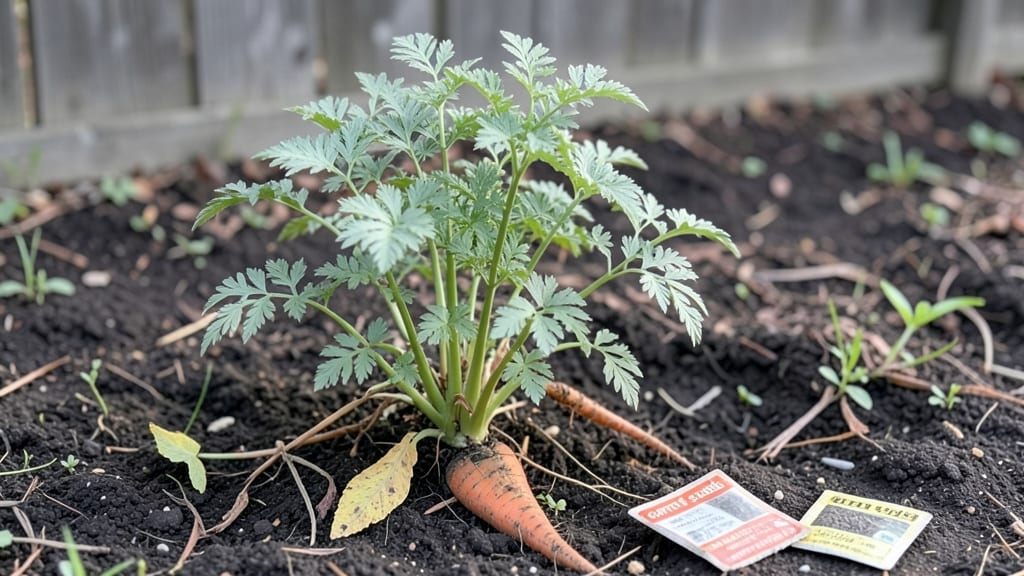
A carrot planting calendar is your secret weapon for a steady supply of crisp, sweet 🥕 roots all season—no more guessing when to sow or risking a failed crop.
Timing is everything when growing carrots—plant too early and they’ll bolt; too late and they’ll rot. This month-by-month carrot planting calendar ensures perfect harvests by aligning your schedule with soil temperatures, spacing needs, and regional growing zones.
In USDA Zone 6a, where spring arrives in March and fall lingers until October, the ideal windows are March–April for spring carrots and August–September for fall. But even here, a few degrees or a late frost can throw off your whole harvest.
Below, I break down the exact planting dates, soil prep tricks, and spacing secrets to grow carrots that are straight, sweet, and ready to pull when you need them—plus how to adjust for your local climate.
Month-by-month carrot planting schedule by climate Zone
Timing is everything when growing carrots—plant too early and they’ll bolt (go to seed), too late and they’ll rot in cold soil. My USDA Zone 6 garden thrives on a spring/fall schedule, but your climate may need adjustments.
The key? Aligning soil temperatures (ideal: 50–85°F) with your last/first frost dates.
Carrots are cool-season crops, meaning they grow best when temperatures are mild. In northern zones (3–5), focus on early spring and late summer plantings, while southern zones (8–10) can extend planting into winter. Succession planting—sowing seeds every 2–3 weeks—ensures a continuous harvest.
Here’s how to tailor your schedule by USDA Zone, including soil prep, spacing, and succession tips for each season. Pro tip: Use row covers in early spring to warm soil faster and extend fall harvests.
| Zone | Spring Planting | Fall Planting | Soil Temp Threshold | Succession Window |
|---|---|---|---|---|
| 3–4 | Mid-April to May 15 | Late July to Aug 15 | 50–70°F | Every 2 weeks (May–June) |
| 5–6 | March 15 to April 30 | August 1 to Sept 15 | 55–75°F | Every 3 weeks (April–May, Aug–Sept) |
| 7–8 | Feb 15 to March 31 | July 15 to Aug 31 | 60–80°F | Every 4 weeks (Feb–March, July–Aug) |
| 9–10 | Jan 1 to Feb 15 | June 15 to July 31 | 65–85°F | Monthly (Jan–Feb, June–July) |
For Zone 6, my go-to schedule starts in mid-March (after soil warms to 55°F) and ends by mid-September (6 weeks before frost). In Zone 9, you can plant year-round, but avoid summer heat (90°F+) to prevent bolting.
Succession planting is my secret to non-stop carrots. After your first sowing, repeat every 2–3 weeks until 6 weeks before frost. For example, in Zone 5, I’ll plant on April 15, May 1, May 15, and June 1 for a July–October harvest.
Adjust intervals based on your last frost date.
Don’t forget fall crops! In Zones 3–7, sow seeds in late summer (August) for a fall/winter harvest. Use row covers to extend the season. In Zones 8–10, you can plant through winter in mild climates, but watch for soil erosion during heavy rains.
Soil temperature is non-negotiable. Use a soil thermometer to confirm readings before planting. Carrots need consistent moisture—dry spells cause forked roots, while soggy soil leads to rot. Mulch with straw to retain moisture and prevent crusting.
Pro move: Direct-sow seeds—carrots hate transplanting. Space seeds 1–2 inches apart in rows 12–18 inches apart. Thin seedlings to 3–4 inches apart when they’re 2 inches tall. This prevents crowding and ensures straight roots.
In short-season zones (3–5), opt for fast-maturing varieties like 'Early Nantes' (60 days) or 'Paris Market' (55 days). For longer seasons (7–10), try 'Danvers' (75 days) or 'Chantenay' (70 days) for storage-friendly roots.
🌱 Remember: Your
Soil preparation & spacing secrets for carrot success
Perfect carrots start with loose, rock-free soil and the right spacing. I’ve learned the hard way—compacted soil leads to forked roots, while uneven spacing causes competition for nutrients.
The key is a deeply prepared bed with organic matter and precise seed placement. Let’s break down my proven method to grow straight, sweet carrots every time.
First, test your soil’s drainage and texture. Carrots hate soggy conditions or rocky patches—their roots will split or grow crooked. I always amend heavy clay with compost and coarse sand (50/50 mix) to improve aeration.
For sandy soil, add peat moss or aged compost to retain moisture without suffocating roots. The goal? Soil that’s crumbly like cake batter when moist.
Here’s my numbered checklist for foolproof soil prep and spacing:
- 1 Loosen soil 12 inches deep with a broadfork or tiller. Break up clods larger than a golf ball—carrots need room to grow straight.
- 2 Remove all rocks and debris. Even pebbles as small as marbles will cause forking. Sift soil through a ½-inch mesh screen if needed.
- 3 Mix in compost (2–3 inches per foot of bed depth). Use a 50/50 compost-to-soil ratio for optimal nutrient balance. Avoid fresh manure—it can cause bolt-resistant growth.
- 4 Space seeds ¼–½ inch apart in rows 12–18 inches apart. Thin to 2–3 inches between plants once sprouts have 2 true leaves. Use a straw marker to avoid overcrowding.
- 5 Water gently after planting to settle soil without displacing seeds. Use a fine mist or drip irrigation to avoid erosion. Keep soil consistently moist (not soggy) until germination.
If you’re troubleshooting stunted growth or split roots, check these common issues first. Hard, compacted soil? Add more compost and loosen again. Rocks or debris? Re-sift the bed. Overcrowding? Thin seedlings immediately—don’t wait!
I once lost an entire batch because I delayed thinning, and the roots grew gnarled and misshapen. Pro tip: Use a pop-up seedling protector to spot weak sprouts early.
For extra-long varieties (like ‘Danvers Half Long’), space rows 18 inches apart and thin to 3 inches between plants. Shorter types (e.g., ‘Paris Market’) can handle 1-inch spacing in tighter beds.
Always follow the seed packet guidelines, but adjust for your soil’s fertility—richer soil means faster growth and closer spacing.
Finally, mulch with straw or shredded leaves to keep soil moist and weed-free. I’ve seen carrots double in size when grown in consistently moist conditions. Avoid synthetic mulches—they can overheat soil and stress young roots. With these steps, you’ll grow perfectly straight, sweet carrots every season.