Container Gardens
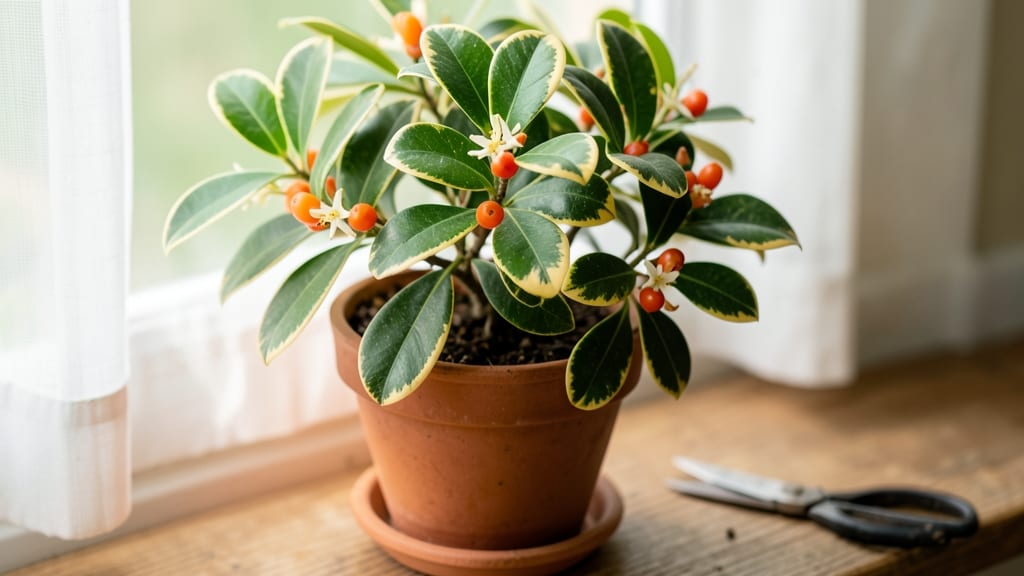
Growing a Clusia indoor plant transforms any room into a lush, sun-drenched sanctuary—without the fuss of high-maintenance tropicals. 🌿 I’ve nurtured mine for years, and its glossy leaves and occasional red flowers make it feel like a vacation in a pot.
The key isn’t complicated: bright light, occasional water, and letting it tell you when it’s thirsty.
Clusias thrive in medium to bright indirect light, tolerating a few hours of direct sun—just avoid scorching midday rays. Use well-draining potting mix (think cactus blend with perlite) to prevent soggy roots, and water only when the top 1-2 inches of soil feel dry.
Overwatering is their biggest enemy, but they’ll bounce back if you let them dry out completely between drinks.
What makes this plant magical is its resilience. Prune leggy stems in spring to encourage bushier growth, and watch for pests like spider mites—just wipe leaves with soapy water if you spot them.
Within months, you’ll have a velvety-green statement piece that outlasts most houseplants. The secret? Trust the plant’s rhythm over rigid schedules.
Perfect for beginners or busy gardeners, Clusias reward patience with year-round foliage and occasional blooms. Propagate from stem cuttings in spring for free plants, and soon you’ll have a collection that’s as easy to care for as it is stunning. Let’s get yours thriving!
📚 In This Guide
- What you need
- Instructions
- Tips and common mistakes
- Wrapping up and next steps
What you need
- ● Clusia plant: 1 healthy specimen (check for vibrant leaves and no pests)
- ● Pot: 1 container with drainage holes (12–16 inches in diameter for mature plants)
- ● Well-draining potting mix: 2–3 gallons (use a blend of peat, perlite, and orchid bark for aeration)
- ● Gravel or pebbles: Small handful (for the pot’s drainage layer)
- ● Watering can: 1 with a narrow spout (for precise hydration)
- ○ Humidity tray or pebble tray (optional): 1 (to boost moisture-loving conditions)
- ● Fertilizer (balanced liquid or slow-release): 1 bottle (diluted to half-strength)
- ● Pruning shears: 1 pair (for shaping and trimming)
- ● Spray bottle: 1 (for occasional leaf misting)
- ● A bright, indirect light spot (east or west-facing window ideal)
- ● Consistent warmth (65–80°F; avoid drafts or AC vents)
- ● Patience! Clusias thrive with minimal fuss but reward slow, steady care.
Step-by-Step instructions for growing a Clusia indoor plant
Here's the straightforward approach I've used to keep Clusias thriving for years—no green thumb required.
🪴 Step 1: Select the Right Container and Soil Mix
Clusias appreciate a well-draining environment, so choose a 6-8 inch diameter pot with drainage holes to prevent root rot. I like to use a mix of 50% peat-based potting soil and 50% perlite or orchid bark—this ensures excellent aeration while retaining enough moisture for the plant’s tropical roots. Avoid garden soil, which compacts and suffocates these delicate plants.
Fill the pot about two-thirds full with your mix, then gently press it down to remove air pockets. The surface should be firm but not packed—just enough to support the plant without restricting root growth. This is where many growers go wrong: using regular potting soil leads to soggy roots and yellowing leaves within weeks.
☀️ Step 2: Position for Ideal Light and Temperature
Clusias thrive in bright, indirect light, making them perfect for east or west-facing windows. Direct afternoon sun can scorch their glossy leaves, so if your space gets intense light, position the plant 3-4 feet back from the window. You’ll notice the leaves darken slightly if they’re getting too much sun—this is your cue to move it farther away.
Keep temperatures between 65-80°F during the day and avoid drafts, including air conditioning vents or heating ducts. Clusias are tropical and sensitive to sudden temperature shifts. If the leaves start dropping, it’s usually a sign the plant is too cold or too dry—adjust accordingly.
💧 Step 3: Water with Precision and Monitor Soil Moisture
Water your Clusia when the top inch of soil feels dry to the touch. Stick your finger in the soil—if it’s damp just below the surface, wait another day. Overwatering is the fastest way to kill a Clusia, so I always err on the side of underwatering. When you do water, soak the soil thoroughly until water runs out the drainage holes, then empty the saucer to prevent root rot.
Mist the leaves occasionally to mimic humidity levels in their native tropical habitat, but avoid letting water sit on the leaves for long periods—this can lead to fungal issues. In dry climates, I place the pot on a tray filled with pebbles and water to increase humidity around the plant without overwatering the soil.
✂️ Step 4: Prune and Encourage Bushier Growth
Prune your Clusia in early spring to shape the plant and encourage denser foliage. Use clean, sharp pruning shears to trim back leggy stems just above a leaf node. This signals the plant to branch out instead of growing tall and sparse. You’ll see new growth emerging within 2-3 weeks of pruning—this is your reward for the effort.
Remove any yellow or damaged leaves immediately to redirect the plant’s energy toward healthy growth. Never prune more than one-third of the plant at a time, as this can stress the Clusia and stunt its recovery. If you’re unsure, it’s better to prune lightly and observe the plant’s response before making further cuts.
🌿 Step 5: Fertilize and Maintain Year-Round Health
Feed your Clusia with a balanced, water-soluble fertilizer diluted to half-strength every 4-6 weeks during spring and summer. Avoid fertilizing in fall and winter, as the plant enters a slower growth phase. Over-fertilizing leads to salt buildup in the soil, which can burn the roots and cause leaf drop.
Rotate the pot a quarter turn every few weeks so the plant grows evenly toward the light. You’ll notice one side leaning toward the window? That’s your sign to adjust its position. Clusias are forgiving but do best when given consistent care—think of them as the low-maintenance tropical plants they truly are.
Tips & tricks for perfect Clusia indoor plant care
These practical insights will help you avoid common pitfalls and create the ideal environment for your Clusia to flourish indoors.
The Soil Mix Secret: After mixing your 50% peat-based potting soil with 50% perlite or orchid bark, I recommend adding a handful of activated charcoal to the mix. This helps prevent bacterial growth in the soil while maintaining that perfect balance of aeration and moisture retention. The charcoal won't affect the soil's texture but acts as a natural purifier—especially helpful if you notice any foul odors from the soil.
Light Positioning Hack: When placing your Clusia in that east or west-facing window, notice how the light shifts throughout the day. In winter months, you might need to move it slightly closer to the window as daylight hours decrease. The goal is to maintain that bright, indirect light—if you see new growth leaning dramatically toward one side, it's time to rotate the pot. This simple quarter-turn rotation every few weeks (as mentioned in Step 5) prevents that lopsided growth pattern while keeping the plant evenly exposed to light.
Temperature Troubleshooting: The 65-80°F range is ideal, but if you're in a particularly dry climate or have heating vents nearby, consider using a small space heater with a thermostat set to maintain that upper range. I've found that keeping the pot on a ceramic saucer (rather than plastic) helps moderate temperature fluctuations near the soil. Also watch for cold drafts—even a brief exposure to temperatures below 60°F can cause leaf drop, so keep your Clusia away from exterior doors and windows during winter months.
Pruning Precision: When you're ready to prune in early spring, focus on making clean cuts just above a leaf node where new growth will emerge. Use a sharp pair of pruning shears and make the cut at a slight angle to prevent water from pooling on the cut surface. After pruning, wipe down the leaves with a damp cloth to remove any dust—this helps the plant absorb more light and reduces the risk of fungal issues. The 2-3 week window for new growth is your reward for precise pruning, but don't be discouraged if it takes slightly longer in cooler months.
Pro Tips for Clusia Indoor Plant
- These practical insights will help you avoid common pitfalls and create the ideal environment for your Clusia to flou...
- The Soil Mix Secret: After mixing your 50% peat-based potting soil with 50% perlite or orchid bark, I recommend addin...
- Light Positioning Hack: When placing your Clusia in that east or west-facing window, notice how the light shifts thro...
Frequently asked questions
Got questions about your Clusia indoor plant? You’re not alone!
Here are some of the most common queries—plus quick, fuss-free answers to keep your tropical beauty thriving.
How often should I water my Clusia plant?
Water your Clusia when the top 1-2 inches of soil feel dry—usually every 1-2 weeks, depending on humidity and light. Overwatering is the #1 killer! Pro tip: Stick your finger in the soil to test moisture levels instead of guessing.
Why are the leaves turning yellow?
Yellow leaves often mean overwatering or poor drainage. Let the soil dry out completely between waterings, and ensure your pot has drainage holes. If the issue persists, check for root rot by gently inspecting the roots—mushy roots = time for a repot with fresh soil!
Can I grow Clusia in low-light conditions?
While Clusia loves bright, indirect light, it can survive in low light—but expect slower growth and fewer leaves. If your space is dim, place it near a north-facing window or supplement with a grow light. Alternative: Rotate the pot occasionally for even growth!
How do I prune my Clusia plant?
Prune in spring or early summer to shape the plant or remove leggy stems. Use clean, sharp scissors to cut just above a leaf node. Bonus: Pruned cuttings can root in water if you’re feeling adventurous!
What pests should I watch out for?
Clusia is generally pest-resistant, but mealybugs or spider mites can occasionally appear. Wipe leaves with a damp cloth or spray with neem oil if you spot sticky residue or tiny webs. Prevention tip: Mist leaves regularly to deter pests!
Wrapping up and next steps
Bringing a Clusia indoor plant into your home isn’t just about adding a splash of tropical charm—it’s about embracing a low-maintenance, resilient beauty that thrives with minimal effort. 🌿 With the right soil, light, and a sprinkle of love (and occasional pruning), you’ll enjoy lush, glossy leaves and even stunning flowers for years to come.
Ready to elevate your space? Start small—pick your pot, gather your supplies, and let your Clusia shine!
Pro tip: Snap a photo of your plant’s progress and share it with fellow plant parents for extra motivation! 📸