Pests and Diseases
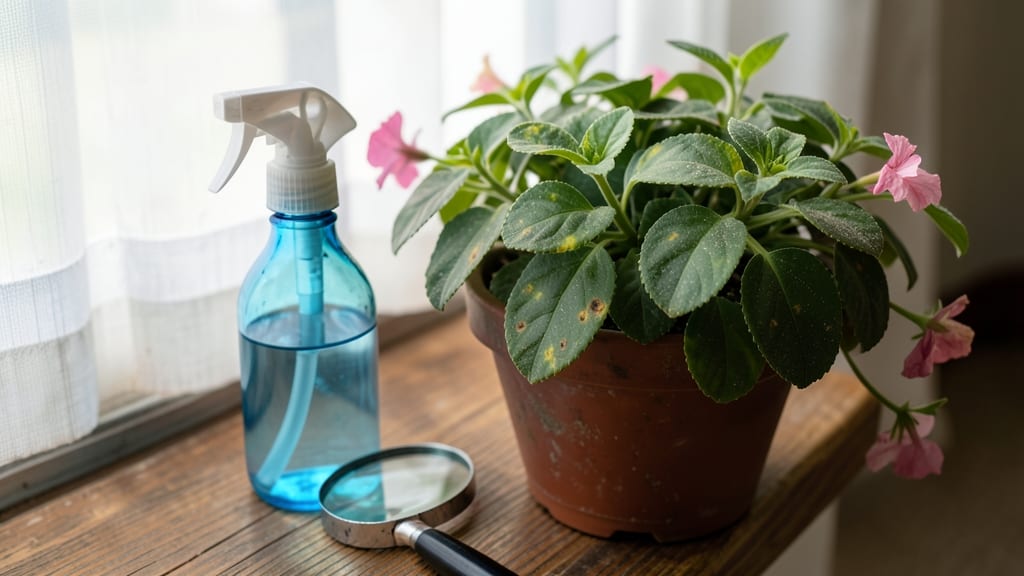
Impatiens plant disease turns vibrant blooms into sad, spotted messes faster than you can say "garden disaster." 🌿 I’ve battled leaf spots and powdery mildew on my impatiens, and the key to saving them isn’t complicated—it’s fast action and smart prevention.
Those fuzzy white patches or brown splotches don’t just fade on their own; they spread when you ignore them.
The real culprits are usually too much moisture, poor airflow, or overcrowded plants—classic mistakes that turn your shade garden into a disease buffet.
Here’s the good news: with the right spray mix (neem oil or baking soda solution) and a little pruning for better airflow, you can stop the spread in under 48 hours. The trick is acting before the disease gets cozy.
By the time you’re done, your impatiens will bounce back with bold, healthy foliage and those signature flowers you planted for. No more wilting leaves or powdery dust—just lush plants that stay put in your garden beds or hanging baskets all season. Let’s get those plants back in fighting shape.
Whether you’re dealing with downy mildew on your patio pots or bacterial spots in your shade garden, these fixes work for both. The secret? Spot the problem early, treat it right, and keep your plants happy between outbreaks. Ready to save your impatiens?
Why it happens
H2: Understanding Root Causes
Impatiens plants, with their vibrant blooms and lush foliage, can quickly become a gardener’s pride—until disease strikes. But why do these delicate beauties fall prey to leaf spots, powdery mildew, or other infections?
The answer lies in a mix of environmental stress, poor cultural practices, and microbial opportunism. Let’s break down the key triggers that turn your healthy impatiens into a battleground for pathogens.
🌡️ Poor Air Circulation & Humidity Imbalances
Impatiens thrive in moderate humidity, but when conditions shift—especially in crowded plantings or greenhouses—moisture lingers on leaves. This creates the perfect breeding ground for fungal spores, which include the culprits behind powdery mildew (Golovinomyces cichoracearum) and downy mildew (Peronospora spp.).
- Why it happens: Stagnant air traps water droplets, giving fungi a foothold. High humidity (above 70%) without airflow accelerates spore germination.
- Actionable fix: Space plants 12–18 inches apart, use oscillating fans on low settings, and avoid overhead watering (water at soil level instead).
- Pro tip: 💡 If humidity is unavoidable (e.g., rainy seasons), opt for resistant varieties like 'Super Elfin' or 'Accent.'
💦 Overhead Watering & Wet Foliage
Splashing water onto leaves doesn’t just waste H₂O—it directly deposits pathogens onto susceptible tissue. Bacterial leaf spot (Xanthomonas campestris) and fungal infections like alternaria leaf spot (Alternaria alternata) thrive when leaves stay damp for prolonged periods.
- Why it happens: Water droplets create micro-environments where bacteria multiply exponentially. Even morning dew can trigger infections if leaves don’t dry quickly.
- Actionable fix: Water impatiens early in the day (before 10 AM) to allow foliage to dry within 4–6 hours. Use a soaker hose or drip irrigation to bypass leaves entirely.
- Pro tip: 🌡️ If you must water overhead, use a fungicide spray (like neem oil or copper-based solutions) to create a protective barrier.
🌱 Nutrient Deficiencies & Stress
Impatiens are heavy feeders, and when they’re starved of essential nutrients—especially nitrogen, phosphorus, or magnesium—their defenses weaken. Weakened plants are more vulnerable to secondary infections, including viral and fungal diseases.
| Deficiency | Symptoms | Disease Risk |
|---|---|---|
| Nitrogen (N) | Yellowing lower leaves (chlorosis), stunted growth | Increased susceptibility to root rot and bacterial wilt |
| Magnesium (Mg) | Interveinal yellowing (between leaf veins) | Weakened cell walls make leaves easier targets for fungal spores |
| Potassium (K) | Brown leaf edges, weak stems | Reduced osmotic pressure in cells, making them more prone to pathogen invasion |
Why it happens: Poor soil quality, over-pruning, or improper fertilization (e.g., too much synthetic nitrogen without micronutrients) disrupts the plant’s immune response. Stress from drought or extreme temperatures compounds the problem.
Actionable fix: Test soil pH (ideal: 6.0–6.5) and amend with compost or a balanced fertilizer (e.g., 10-10-10). For quick fixes, use Epsom salt (magnesium sulfate) or kelp meal for micronutrients.
🦠 Contaminated Tools & Soil
Fungi, bacteria, and viruses don’t just appear out of thin air—they hitchhike on pruners, gloves, or infested soil. Even a single infected leaf left in the garden can reinfect healthy plants season after season.
- Why it happens: Pathogens like Phytophthora (root rot) or Pythium persist in soil for years. Tools used on diseased plants can transfer spores to new cuts or wounds.
- Actionable fix:
- Sterilize pruners with 70% isopropyl alcohol or a bleach solution (1 part bleach to 9 parts water) between uses.
- Remove all infected plant debris (don’t compost it!) and replace topsoil if root diseases are suspected.
- Rotate planting locations annually to break the disease cycle.
- Pro tip: 🔥 Solarize soil in late summer by covering it with clear plastic for 4–6 weeks to kill pathogens naturally.
🌦️ Extreme Weather & Temperature Shifts
Impatiens are tender perennials that struggle with both heat stress (above 90°F) and cold snaps (below 50°F). Sudden temperature drops or prolonged heat weaken the plant’s cuticle layer, making it easier for pathogens to penetrate.
- Why it happens:
- Heat stress: Causes stomatal closure, reducing the plant’s ability to transpire and flush out toxins.
- Cold damage: Disrupts cell membrane integrity, creating entry points for bacteria and fungi.
- Actionable fix:
- Provide afternoon shade in hot climates (use shade cloth rated for 30–50% blockage).
- Mulch with 2–3 inches of organic mulch (straw or shredded leaves) to regulate soil temperature.
- Avoid planting impatiens in low-lying areas where cold air pools overnight.
- Pro tip: ✨ Use row covers in early spring to protect seedlings from late frost, which can trigger damping-off disease.
Quick Fixes for Common Impatiens Ailments
Revive your impatiens with these targeted solutions—whether your plants are battling leaf spots, powdery mildew, or other pesky issues. Below, we map the most common causes to practical fixes and share prevention tips to keep your garden thriving.
---
Cause: Overwatering, poor air circulation, or contaminated tools/sprayers. Solution: 1. 🔥 Remove Infected Leaves Snip off yellow or brown spots with clean pruners (sterilize with rubbing alcohol first). Dispose of them in the trash—not the compost!
2. 🍳 Apply Fungicide Use a copper-based fungicide or a baking soda spray (1 tsp baking soda + 1 quart water + a drop of dish soap). Spray undersides of leaves where spores hide.
3. 🌡️ Improve Airflow Space plants 12–18 inches apart and prune nearby foliage blocking airflow. If growing in pots, ensure drainage holes are clear.
💡 Prevention Tip: Water in the morning so leaves dry quickly. Avoid overhead watering—use drip irrigation or a watering can with a narrow spout.
---
Cause: Humid conditions, crowded plants, or weak immunity from stress (like nutrient deficiency). Solution: 1. 👨🍳 Neem Oil Spray Mix 1 tsp neem oil + 1 tsp mild soap + 1 quart water. Spray every 7–10 days until mildew clears. Neem disrupts fungal spores without harming bees.
2. ⏰ Prune for Sunlight Thin out dense foliage to let sunlight hit lower leaves. Powdery mildew thrives in shade—aim for 6+ hours of sun daily.
3. 🔪 Boost Plant Health Feed with a balanced fertilizer (10-10-10) every 4–6 weeks. Healthy plants resist mildew better!
💡 Prevention Tip: 🎯 Space plants properly and avoid wetting leaves when watering. If mildew recurs, try reflective mulch (like white plastic) to reduce humidity near the soil.
--- Cause: Aphids, spider mites, or whiteflies sucking sap, which weakens plants and invites disease. Solution: 1. 🥘 Blast Off Pests Spray plants with a strong stream of water to knock off aphids/mites. Repeat daily for 3–5 days.
2. 🔪 Introduce Beneficial Insects Release ladybugs or lacewings (available at garden centers). They devour pests naturally!
3. 🌿 Homemade Soap Spray Mix 1 tbsp castile soap + 1 quart water in a spray bottle. Test on a small leaf first—some plants are sensitive.
💡 Prevention Tip: 🌡️ Inspect new plants before bringing them home. Quarantine them for a week to spot hitchhiking pests.
--- If your plants look wilting, stunted, or generally sad, try this: 1. 💧 Check the Roots Gently remove the plant from its pot. If roots are mushy or black, repot in fresh, sterile soil with perlite for drainage.
2. 🍎 Feed & Hydrate Use a half-strength fertilizer (like fish emulsion) and water deeply but infrequently. Let the top inch of soil dry between waterings.
3. 🌡️ Adjust Light Move to bright, indirect light (e.g., east-facing window or under 50% shade cloth). Too much sun scorches leaves; too little invites disease.
--- | Problem | Fix It | Prevent It | |----------------------|-------------------------------------|-----------------------------------------| | Fungal diseases | Fungicide + pruning | Water at soil level, improve airflow | | Powdery mildew | Neem oil + sunlight | Space plants, avoid overhead watering | | Pest infestations | Soap spray + beneficial insects | Inspect new plants, keep garden clean | | Weak growth | Fertilizer + proper light | Rotate pots, avoid overcrowding |
💡 Pro Tip: Rotate your impatiens’ pots every 2–3 weeks to ensure even light exposure and prevent soil-borne diseases from building up.
--- Remember: Consistency is key! Monitor your plants weekly, act fast at the first sign of trouble, and soon your impatiens will be bouncing back with vibrant blooms. 🌸
Frequently asked questions
Why do my impatiens get fuzzy white spots even when I water them carefully?
Those fuzzy white spots are almost always powdery mildew, a fungal disease that thrives in humid conditions. Even careful watering can't prevent it if airflow is poor—crowded plants or shaded foliage create the perfect breeding ground. Try spacing plants 12-18 inches apart and applying a neem oil spray every 7-10 days to stop the spread.
Can I save my impatiens if the leaves have brown spots with yellow halos?
Yes, but act fast! Those symptoms likely mean bacterial leaf spot or alternaria leaf spot. Prune infected leaves immediately with sterilized tools, then treat with a copper fungicide. Avoid overhead watering and water only in the morning to prevent further spread.
Is it safe to use baking soda spray on impatiens with fungal diseases?
A baking soda spray (1 tsp baking soda + 1 quart water + a drop of dish soap) is a gentle, effective treatment for early-stage fungal issues. Just avoid spraying when leaves are wet, and reapply every 7-10 days until symptoms disappear. It won't harm your plants if used correctly!
How do I know if my impatiens have a viral disease instead of fungal?
Viral diseases (like impatiens necrotic spot virus) usually cause mosaic patterns or stunted growth without the powdery coating or spots from fungi. If you see distorted leaves or rings on foliage, there's no cure—remove infected plants immediately to prevent spreading to healthy ones.
Will my impatiens recover if I remove all the diseased leaves?
Only if you catch it early! Removing infected leaves stops the spread, but the plant may still need 2-3 weeks to recover fully. Combine pruning with fungicide treatment and improved airflow to give your impatiens the best chance. If more than 50% of leaves are affected, consider replacing the plant.