Pruning
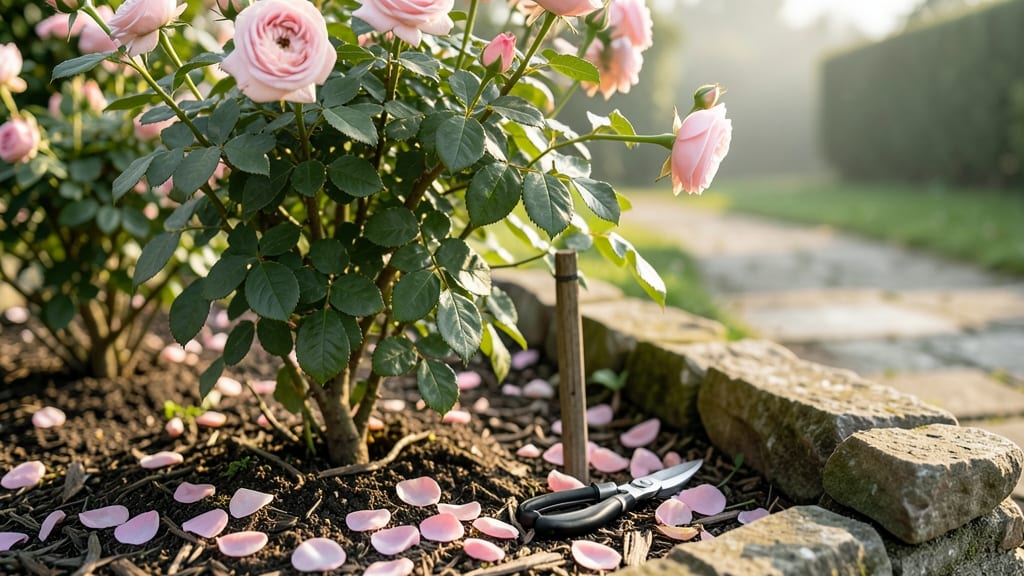
Pruning isn't just about trimming—it's a strategic way to influence how a plant grows.
When you remove specific branches or leaves, you're essentially telling the plant where to focus its energy. 🌿 For example, cutting back overgrown stems encourages new shoots to form, which can lead to bushier plants or more abundant flowering.
This process also helps plants develop stronger structural support and better resistance to environmental stressors.
What many gardeners don't realize is how timing plays a crucial role. Pruning at the right moment—like just after a plant finishes flowering—can trigger the production of larger, sweeter fruit. On the other hand, cutting at the wrong time might shock the plant and reduce its overall productivity.
The key is understanding your plant's natural growth cycle and working with it, not against it.
💡 In This Article
- How Pruning Affects Plant Physiology and Fruit Development
- Best Pruning Practices for Healthy Plant Growth
How pruning affects plant physiology and fruit development
When you make a precise cut on a plant, you're interrupting the flow of auxins, a class of plant hormones that control growth. Auxins naturally concentrate at the tips of stems and leaves, where they suppress the growth of lateral buds through a phenomenon called apical dominance.
By removing the dominant growing tip, you break this hormonal control, allowing dormant buds along the stem to wake up and grow into new branches. This is why a single strategic cut can transform a leggy, sparse plant into a bushy, productive one within weeks. 🌱
The science gets even more fascinating when we look at fruit development. In plants like apple trees or tomato vines, pruning redirects energy from vegetative growth (leaves and stems) toward reproductive growth (fruit).
Studies show that when you thin out excessive foliage, the remaining fruits receive more sunlight and nutrients, resulting in 20-30% larger and sweeter produce. For example, a heavily pruned citrus tree might yield fewer oranges, but each fruit will have a thicker peel and higher sugar content.
This happens because the plant allocates its limited resources more efficiently to fewer, higher-quality fruits.
Improved airflow is another critical benefit that directly impacts fruit quality and disease resistance. Dense foliage creates a humid microclimate where fungal spores thrive, but strategic pruning opens up the plant's canopy. This reduces humidity levels by 15-25% and allows sunlight to penetrate deeper, which boosts photosynthesis in lower branches.
For grapevines, this means fewer instances of powdery mildew, while berry bushes produce firmer, less waterlogged fruit. The visual difference is striking—pruned plants often look more "open" and vibrant, with leaves that are a richer green due to better light exposure. 🍇
Different plant types respond uniquely to pruning based on their natural growth habits. Deciduous fruit trees like peaches benefit from open-center pruning, where you create a vase-like shape to maximize sunlight exposure. In contrast, evergreen shrubs like boxwoods thrive with shear pruning to maintain their dense, compact form.
Even vines like cucumbers or kiwi plants react differently—pinching back the tips encourages lateral growth, while heavy pruning can stimulate flowering. The key is understanding whether your plant is determinate (growth stops at a certain point) or indeterminate (continuous growth), as this dictates the best pruning approach.
What most gardeners overlook is how pruning affects a plant's root system. When you remove above-ground growth, the plant redirects energy toward root development, creating a more robust foundation.
This is particularly important for young trees, where proper pruning in the first few years can determine their long-term health and productivity.
For instance, a young apple tree that's pruned to remove water sprouts (vertical shoots growing from the trunk) will develop a stronger scaffold structure capable of supporting heavier fruit loads later in life. 🌳
The timing of pruning also triggers specific physiological responses. Late winter or early spring pruning, when the plant is just waking up from dormancy, encourages vigorous new growth.
In contrast, summer pruning can stimulate flowering in some species, like roses or hydrangeas, by promoting the production of cytokinins, another hormone that influences cell division.
For fruit trees, pruning just after harvest allows the plant to focus its energy on storing nutrients in the roots for next season's growth rather than maintaining excessive foliage.