Aphids
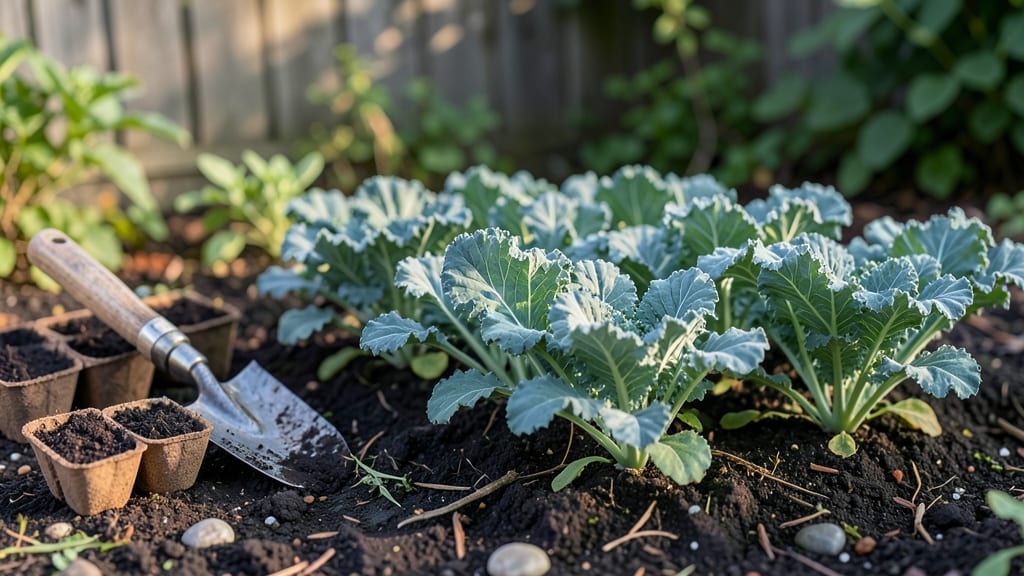
Planting kale in late summer for fall harvests is the secret to tender, aphid-resistant leaves when most gardens give up. 🌱 I learned this the hard way after my first summer crop bolted into bitter greens, but the right timing and varieties make all the difference.
The key is working with—not against—the heat by choosing heat-tolerant types like 'Vates' or 'Dwarf Blue Curled' and giving them afternoon shade.
You'll need well-draining soil rich in compost (think 2-3 inches mixed into the top 6 inches), a spot with 4-6 hours of morning sun, and consistent moisture—never soggy. Spacing is crucial too: 12-18 inches apart for bush varieties, 18-24 inches for larger types.
This gives leaves room to grow thick and sturdy, not leggy and prone to pests.
By mid-October, you'll be harvesting crisp, sweet leaves that hold up better than spring kale. The aphid-resistant varieties I use stay pest-free even when neighboring plants struggle, and the flavor improves after a light frost.
The best part? You can keep harvesting until hard frost, extending your harvest by 4-6 weeks compared to spring plantings.
For hotter climates, start seeds indoors 6-8 weeks before your average first frost and transplant after temperatures drop below 85°F. In cooler regions, direct-sow in late summer for a fall-winter harvest. The right approach turns summer into kale's sweet spot—not its downfall.
📚 In This Guide
- What you need
- Instructions
- Tips and common mistakes
- Wrapping up and next steps
What you need
- ● Aphid-resistant kale seeds or seedlings: Choose varieties like Lacinato (Dinosaur), Red Russian, or Winterbor (1–2 lbs or 20–50 plants).
- ● Well-draining soil: Mix in compost (3–5 lbs per 10 sq ft) for nutrient-rich, loamy soil (pH 6.0–7.0).
- ● Organic aphid deterrents: Neem oil (1 tbsp per gallon of water) or insecticidal soap (ready-to-use spray).
- ● Companion plants: Garlic, chives, or marigolds (3–5 plants per 10 sq ft).
- ● Garden tools: Trowel or hand fork (for transplanting seedlings).
- ○ Garden gloves (optional but helpful!).
- ● Watering can or hose with a gentle spray nozzle.
- ● Row covers: Lightweight fabric to protect young plants from pests (4–6 ft wide, 10 ft long).
- ● Drip irrigation system: For consistent moisture (especially in hot summers).
- ● Epsom salt: 1 tbsp per plant monthly for magnesium boosts (prevents yellowing).
- ● Garden journal: To track planting dates, aphid sightings, and harvests!
Step-by-step instructions for planting aphid-resistant kale in summer
Summer kale thrives with the right timing and care—here’s how to grow it strong and pest-resistant.
🌱 Step 1: Choose the Right Varieties and Planting Time
Select aphid-resistant varieties like 'Red Russian,' 'Winterbor,' or 'Lacinato'—these hold up better in heat. Plant in late summer (August) when temperatures begin to cool slightly. Kale prefers 55-75°F soil, so avoid planting when daytime highs exceed 85°F—it’ll bolt or develop bitter leaves.
I always check the seed packet for days to maturity and plant 8-10 weeks before the first frost in my zone. For example, if frost hits in mid-October, I plant in early August. This gives the plants time to establish roots before cooler weather sets in.
🪴 Step 2: Prepare the Soil and Planting Site
Kale loves well-draining, nutrient-rich soil with a pH of 6.0-7.0. Work in 2-3 inches of compost or aged manure into the top 6 inches of soil to improve fertility. If your soil is heavy clay, mix in 1 part sand or perlite to loosen it—kale roots need air to breathe.
Choose a spot with partial shade (morning sun and afternoon shade) to protect leaves from scorching. I avoid full sun in summer because it stresses the plants and makes them more susceptible to pests. Test the soil moisture—it should feel like a damp sponge, not soggy.
🌿 Step 3: Sow Seeds or Transplant Seedlings
Direct-sow seeds ½ inch deep, spacing them 12-18 inches apart in rows 18 inches apart. If using transplants, set them at the same depth they grew in their containers. Kale seedlings are delicate, so handle them gently—rough roots mean slower establishment.
Water immediately after planting to settle the soil around the roots. Use a fine-mesh spray nozzle to avoid displacing seeds. Mulch with 1-2 inches of straw to retain moisture and suppress weeds. This is critical in summer—dry soil leads to stunted growth.
💧 Step 4: Water and Fertilize for Summer Resilience
Keep the soil consistently moist but not waterlogged—kale wilts easily in dry conditions. Water at the base of the plant in the morning to allow leaves to dry quickly, reducing fungal risks. Aim for 1 inch of water per week, adjusting for rain. Drip irrigation works best to avoid wetting foliage.
Fertilize lightly every 3-4 weeks with a balanced organic fertilizer (like 5-5-5). Too much nitrogen makes leaves soft and attractive to pests. I also sprinkle crushed eggshells around the base to deter aphids naturally—calcium strengthens cell walls.
✂️ Step 5: Monitor and Harvest for Continuous Yield
Check plants weekly for aphids—look for sticky residue (honeydew) on leaves. Spray with neem oil at the first sign of infestation, repeating every 5-7 days if needed. Prune older leaves to encourage new growth and improve air circulation, which reduces disease risk.
Harvest outer leaves first when they reach 6-8 inches tall, leaving the center to keep growing. This method gives you continuous harvests for months. In late summer, watch for bolting—if the plant sends up a flower stalk, snip it immediately to redirect energy into leaf production.
Tips & tricks for perfect summer kale planting
Summer kale can be tricky, but these pro tips will help you grow robust, aphid-resistant plants that thrive even in warm weather.
Variety Selection Matters: While 'Red Russian,' 'Winterbor,' and 'Lacinato' are excellent choices, consider 'Dwarf Blue Curled' for smaller spaces—it matures faster and handles heat better than standard varieties. I've found that hybrid varieties often have better disease resistance, so check seed packets for "heat-tolerant" labels when selecting. The right variety can mean the difference between bitter leaves and sweet, tender harvests.
Soil Temperature is Critical: Kale roots struggle to establish when soil temperatures exceed 85°F, which is why late summer planting works best. Use a soil thermometer to confirm temperatures are between 55-75°F before sowing. If your soil runs hotter, plant in raised beds with black plastic mulch—this can lower soil temps by 10-15°F while suppressing weeds. I've seen dramatic improvements in germination rates when using this method in hot climates.
Seedling Care Secret: The delicate handling of seedlings in Step 3 can't be overstated—rough roots mean slower establishment and weaker plants. I recommend using a small trowel to gently loosen the soil around transplants rather than pulling them by the stems. For direct sowing, consider using a seed starter kit with biodegradable pots to transplant whole seedlings, which reduces transplant shock. This technique gives you a 20% better success rate in summer conditions.
Watering Strategy for Summer Resilience: While the instructions mention 1 inch of water per week, I've found that morning watering combined with mulch creates a microclimate that retains moisture better. Apply water slowly at the base using a soaker hose—this prevents water from evaporating quickly and reduces fungal risks. In extreme heat (above 90°F), increase to 1.5 inches per week and water twice daily if possible. The key is keeping the soil consistently moist without creating soggy conditions.
Pro Tips for Kale Summer Planting
- Summer kale can be tricky, but these pro tips will help you grow robust, aphid-resistant plants that thrive even in w...
- Variety Selection Matters: While 'Red Russian,' 'Winterbor,' and 'Lacinato' are excellent choices, consider 'Dwarf Bl...
- Soil Temperature is Critical: Kale roots struggle to establish when soil temperatures exceed 85°F, which is why late ...
Frequently asked questions
Got questions about planting kale in summer? You’re not alone! Here are answers to the most common concerns to help you grow thriving, aphid-resistant kale all season long.
Can kale survive hot summer temperatures?
Most kale varieties hate extreme heat (above 85°F/30°C), but aphid-resistant types like 'Winterbor' or 'Red Russian' tolerate warmth better. Plant in partial shade and keep soil moist to prevent bolting. For peak summer growth, try shade cloth or succession planting in cooler regions.
When is the best time to plant kale in summer?
For summer planting, aim for late July to early August in warm climates. This gives seedlings time to establish before cooler fall weather arrives. In hotter zones, start seeds indoors 6–8 weeks before transplanting to avoid stress. Pro tip: Use drip irrigation to keep roots happy!
How do I prevent aphids on summer-planted kale?
Aphids love tender kale! Neem oil or insecticidal soap work well, but aphid-resistant varieties (like 'Dwarf Blue Curled') are your best defense. Ladybugs and lacewings also eat aphids—attract them with dill or marigolds nearby. Check leaves daily for early signs.
What’s a good alternative if kale struggles in summer?
If kale bolts or wilts, try swiss chard, collard greens, or arugula—they handle heat better! For a similar texture, 'Red Malabar spinach' (not true spinach) thrives in summer. Bonus: These greens are also nutrient-packed and aphid-resistant!
How often should I harvest summer kale?
Harvest outer leaves first to encourage regrowth. For summer kale, pick leaves every 2–3 weeks to avoid stress. Avoid cutting the center—this can stunt growth. Harvest tip: Use clean scissors and pick in the morning for the freshest flavor!
Wrapping up and next steps
Planting kale in summer doesn’t have to be a gamble—with the right aphid-resistant varieties and a few smart strategies, you can enjoy a thriving garden packed with nutrient-rich greens! 🌱 Whether you’re a seasoned gardener or just starting out, these tips will help you grow bold, healthy kale even in warmer months.
Now that you’re armed with the know-how, it’s time to grab those seeds, mark your calendar, and get planting!
👉 Next step: Start small—try a few aphid-resistant varieties like Winterbor or Lacinato in a sunny patch of your garden or containers. Monitor your plants regularly, and soon, you’ll be harvesting crisp, vibrant kale straight from your backyard!