Pruning
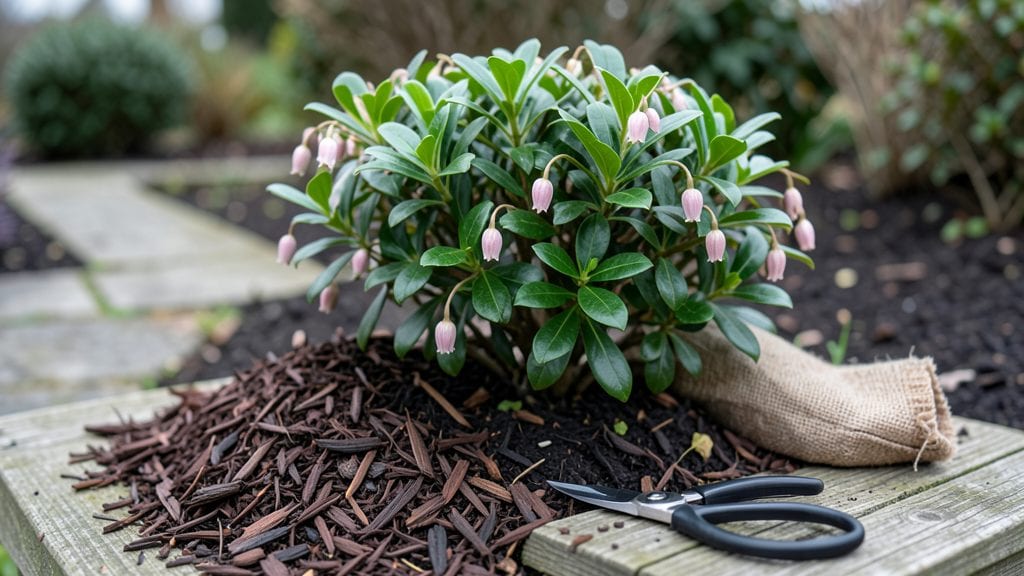
Your daphne plant pruning could mean the difference between a shrub that blooms like clockwork and one that fades into leggy shadows. I learned this the hard way after my first attempt left me with a sad, skeletal plant that barely put out new growth.
The secret is timing, technique, and a little patience—once you get it right, your daphne will reward you with fragrant blooms from late winter through spring.
You’ll need sharp pruners (sterilized with rubbing alcohol), a pair of gloves, and a clear day when the plant isn’t actively flowering.
The best time to prune is right after blooming, usually in late spring or early summer, but never in fall or winter when the plant is dormant.
Daphne responds best to light pruning—never cut more than one-third of the growth at a time, or you’ll shock the plant into stress. Focus on removing dead, crossing, or weak branches first, then shape the shrub by cutting just above a leaf node or bud.
After pruning, your daphne will send out fresh, vibrant growth within 4-6 weeks, and next year’s blooms will be even more abundant. The key is to avoid heavy pruning—this isn’t a hedge, it’s a delicate woodie that thrives on gentle encouragement.
Water deeply after pruning to help the plant recover, and avoid fertilizing until new growth appears. With the right approach, your daphne will stay lush, healthy, and full of life for decades.
If you’re in a cooler climate, like USDA Zones 5-7, prune a little later in the season to account for slower growth. And if your daphne is particularly old, take it even easier—older plants handle stress worse than younger ones.
The goal isn’t perfection; it’s keeping your plant happy so it keeps blooming year after year.
📚 In This Guide
- What you need
- Instructions
- Tips and common mistakes
- Wrapping up and next steps
What you need
- ● Pruning shears – Bypass pruners (sharp, clean blades) for clean cuts on stems up to ½ inch thick.
- ● Loppers – For thicker stems (½ inch and above). Look for bypass-style loppers with a 6–8 inch reach.
- ○ Hand pruners – For delicate trimming of small shoots (optional but handy for precision).
- ● Disinfectant (70% isopropyl alcohol or rubbing alcohol) – 1 small bottle (4 oz) to sterilize tools between cuts.
- ● Gloves – Nitrile or leather gardening gloves (1 pair) to protect from sap and thorns (if applicable).
- ● Sharpie or permanent marker – 1 (for marking cuts if needed).
- ○ Pruning sealant (optional but recommended) – Wound dressing (1 small tube) for large cuts to prevent disease.
- ● Extension pole – For reaching high branches (if your daphne is mature).
- ● Hose or spray bottle – To rinse tools and remove sap residue.
- ● Trash bag or bucket – For collecting pruned branches (1 gallon size).
- ● Plant food (balanced fertilizer) – 10-10-10 or 20-20-20 (1 small bag) to nourish the plant post-pruning.
- ● Mulch – Organic mulch (shredded bark or pine needles) to retain moisture and protect roots.
Instructions for daphne plant pruning: a step-by-step guide
Revitalizing your daphne doesn’t require fancy tools—just the right timing and technique.
Identify the Best Time to Prune
Daphne thrives when pruned immediately after flowering, typically in late spring or early summer. This timing ensures you don’t cut off next year’s blooms, which form on old wood. Look for spent flower clusters—these are your cue. If you prune too early, you risk removing next season’s buds. If you wait too long, the plant may put energy into seed production instead of new growth.
I always prune mine in June, right after the fragrant blooms fade. The plant’s foliage will still look vibrant, but the flowers will have dropped completely. This is the moment that matters: you’re balancing growth and bloom cycles perfectly.
Gather Your Tools and Prepare the Plant
You’ll need clean, sharp pruning shears and a small bucket for trimmings. Daphne’s woody stems can be tough, so dull blades crush rather than cut cleanly. Wipe your shears with rubbing alcohol between cuts to prevent disease spread. I also wear gloves—daphne’s foliage can be slightly irritating to sensitive skin.
Before you start, inspect the plant for dead, diseased, or crossing branches. Remove these first—they’ll only compete with healthy growth. Dead branches snap easily when bent; diseased ones may have blackened spots or oozing sap. Crossing branches rub against each other, creating wounds that invite pests.
Prune for Shape and Airflow
Step back and assess the plant’s structure. Daphne’s natural shape is compact and rounded, so aim to maintain that silhouette. Cut back overgrown stems by about one-third, making clean cuts just above a leaf node or outward-facing bud. Avoid cutting into old wood—you’ll see it’s darker and lacks green tissue.
Focus on thinning out crowded areas to improve airflow. This prevents fungal issues and encourages stronger new growth. If a branch is completely leggy or bare, prune it back to a healthy side shoot. You’ll notice the plant’s center opens up, letting light reach all parts of the foliage.
Encourage New Growth with Strategic Cuts
After shaping, look for stems that have multiple growth points. These are ideal candidates for light pruning to stimulate bushier growth. Cut just above a leaf node where new shoots can emerge. Avoid heavy pruning—daphne responds best to gradual shaping over time. Real talk: if you go overboard, the plant may struggle to recover.
Water the plant thoroughly after pruning. The stress of cutting stimulates root activity, and moisture helps the plant recover faster. I like to add a balanced fertilizer a few weeks later to support new growth. Avoid heavy feeding immediately after pruning—it can stress the plant further.
Monitor and Maintain Through the Season
Keep an eye on the plant’s recovery in the weeks following pruning. New shoots should emerge within 4-6 weeks, signaling the plant is happy with the cuts. If growth stalls, check for pests like aphids or scale, which can weaken a stressed plant. Treat with neem oil if needed, but prevention is key—always sterilize your tools.
By late summer, you’ll see the results: fuller foliage and stronger stems ready for next year’s blooms. Daphne’s pruning cycle is a marathon, not a sprint. With consistent care, your plant will reward you with years of fragrant flowers and lush growth.
Tips & tricks for daphne plant pruning
A few simple techniques will transform your daphne from a neglected shrub into a thriving, fragrant beauty. These are the insights I wish I'd known when I first pruned my own daphne plants.
Timing is Everything: The window for pruning is narrow but critical—right after flowering when blooms have completely faded. I learned this the hard way by pruning too early and losing next year's buds. Look for the telltale sign: flowers should be gone, but foliage remains vibrant. This timing ensures you're cutting back old growth that's already served its purpose while preserving next season's potential.
Tool Preparation Matters: Your pruning shears are more important than you might think. I now make it a habit to sharpen my shears before each use and wipe them with rubbing alcohol between cuts. This prevents the plant from getting crushed rather than cleanly cut, which can lead to disease entry points. Don't skip this step—it makes all the difference in how well your daphne recovers.
Shape with Purpose: When cutting back overgrown stems in Step 3, aim to maintain that natural compact shape. The one-third reduction guideline works well, but focus on creating an open center rather than just reducing size. This improves airflow dramatically, which prevents fungal issues and encourages stronger new growth. You'll notice the plant's center opens up beautifully, allowing light to reach all foliage.
Recovery Strategy: After pruning, the 4-6 week recovery period is when most people see mistakes. Water thoroughly right after pruning to help roots recover, but wait 2-3 weeks before fertilizing. I've found that adding a balanced fertilizer about 3 weeks later gives the plant just enough support without overwhelming it during its recovery phase. This gradual approach prevents stress and promotes healthy regrowth.
Pro Tips for Daphne Plant Pruning
- A few simple techniques will transform your daphne from a neglected shrub into a thriving, fragrant beauty.
- Timing is Everything: The window for pruning is narrow but critical—right after flowering when blooms have completely faded.
- Tool Preparation Matters: Your pruning shears are more important than you might think.
Frequently asked questions
Got questions about pruning your daphne plant? You’re not alone! Here are some of the most common concerns—plus expert-friendly answers to keep your woody beauty thriving.
When is the best time to prune my daphne plant?
Prune your daphne right after flowering (late spring to early summer). This timing encourages fresh growth while preserving next year’s blooms. Avoid heavy pruning in fall or winter, as daphnes are semi-dormant and heal slower. A light trim to shape is fine, but major cuts wait for spring!
How much can I prune my daphne without harming it?
Daphnes are forgiving but don’t overdo it! For established plants, remove no more than 1/3 of the foliage per year. Focus on dead, diseased, or crossing branches first. Over-pruning can stress the plant, reducing blooms or even killing it. When in doubt, prune conservatively—you can always trim more next year!
What should I do if my daphne plant doesn’t bloom after pruning?
Missing blooms often mean pruning too late or cutting back flowering stems. Daphnes bloom on old wood, so avoid heavy pruning until after flowers fade. If you’ve already pruned too much, don’t panic—give it a year to recover. Next season, prune only after blooms drop!
Can I propagate my daphne from pruned cuttings?
Semi-hardwood cuttings (taken in late summer) root well in a mix of sand and peat. Dip cuttings in rooting hormone, plant in pots, and keep them moist but not soggy. Place in partial shade until roots form (3–6 months). Patience is key—daphnes are slow to establish but worth the effort!
What’s the difference between pruning a daphne bush vs. a daphne shrub?
Daphne bushes (like Daphne odora) are compact and pruned lightly to maintain shape, while shrubs (like Daphne mezereum) can handle slightly bolder cuts. Both benefit from deadheading spent blooms and occasional thinning of dense growth. The goal? Airflow and light—so prune to open the center!
Wrapping up and next steps
Pruning your daphne plant doesn’t have to be intimidating—it’s all about timing, technique, and a little patience! 🌿 By following the right steps, you’ll encourage vibrant blooms and healthier growth year after year.
Now that you’re armed with the know-how, grab those shears and give your daphne the care it deserves.
Ready to transform your garden? Start by scheduling your next pruning session—whether it’s shaping in late spring or cleaning up after summer blooms. Your daphne will thank you with lush, fragrant foliage and stunning flowers!