Pruning
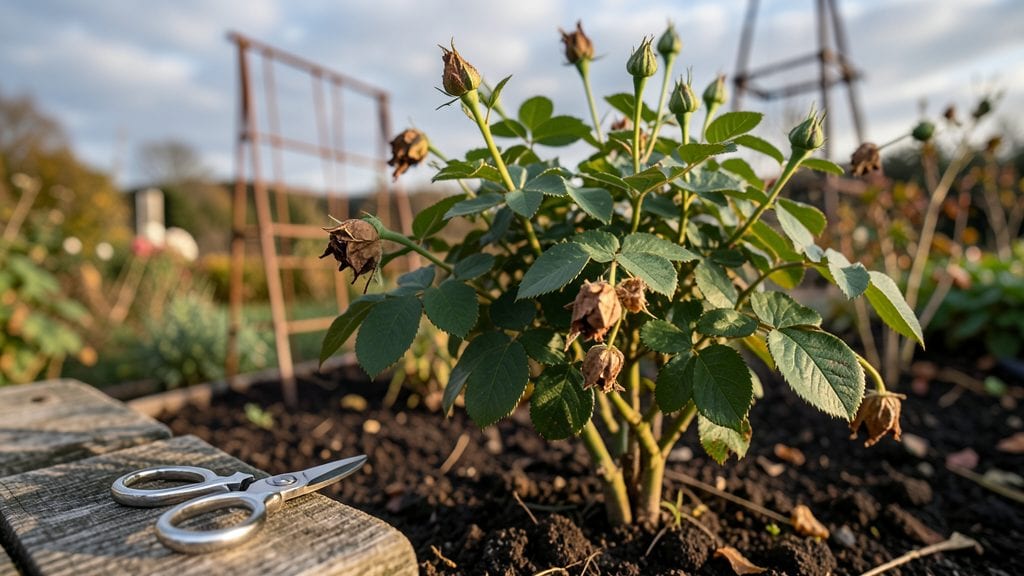
Deadheading plants in October isn’t just tidying up—it’s a game-changer for next year’s blooms. ✨ I learned the hard way that skipping this step means weaker stems, fewer flowers, and plants that struggle to survive winter.
The key is timing: do it after the first frost when plants slow down but before hard freezes set in.
This three-step method works for perennials like coneflowers and annuals like zinnias. First, snip spent blooms down to the first set of healthy leaves—never the bare stem. Second, clear away debris to prevent disease.
Finally, give woody plants a light trim to shape them for winter. It takes about 20 minutes per plant, but the payoff is dramatic.
You’ll end up with plants that look neat and intentional, not ragged. Roots store more energy for spring growth, and you avoid the messy, overgrown look that signals neglect. Plus, winter mulch sticks better to clean stems. The garden stays beautiful while prepping for dormancy—no compromise needed.
Works for most herbaceous perennials and tender annuals, but skip deadheading for late-blooming asters or goldenrod—they feed birds. For evergreens, just rake up fallen leaves. This is your last chance to shape the garden before winter takes over, so make it count.
📚 In This Guide
- What you need
- Instructions
- Tips and common mistakes
- Wrapping up and next steps
What you need
- ● Pruning shears or bypass pruners – Choose sharp, bypass-style shears (for clean cuts) with a 4- to 6-inch blade. Sterilize with rubbing alcohol before and after use to prevent disease spread.
- ● Garden gloves – Opt for nitrile-coated or leather gloves (size medium to large) to protect against thorns and blisters.
- ● Garden clippers or hedge shears – For larger plants or shrubs, use long-handled clippers (12+ inches) for better reach.
- ● Garden waste bag or bucket – A 10- to 20-gallon bag or a sturdy 5-gallon bucket for collecting spent blooms and debris.
- ○ Disinfectant (optional but recommended) – 1 part bleach to 9 parts water or rubbing alcohol (70%+) to clean tools between cuts.
- ● Watering can or hose – A 1-gallon can with a rose nozzle or a lightweight hose attachment for post-pruning hydration.
- ● Knee pad or stool – For comfort when deadheading low-growing plants or working on the ground.
- ● Hand lens or magnifying glass – Helps spot hidden pests or diseases on stems.
- ● Compost bin or mulch – Repurpose deadheaded blooms as nutrient-rich compost or mulch.
- ● Garden journal or app – Track which plants you prune, their response, and notes for next year.
Step-by-step guide for deadheading plants in October
Fall pruning isn't just cleanup—it's how you set up next year's blooms right now.
✂️ Step 1: Identify What to Deadhead in October
Start by scanning your garden for spent blooms—look for flowers that have dropped petals or turned brown. Annuals like zinnias and marigolds need immediate attention, while perennials like coneflowers and black-eyed Susans can wait until after their seed heads form. I always check the plant's growth habit first: if it's a woody perennial like hydrangea, hold off until late winter. For tender perennials or annuals, deadhead now to redirect energy into root growth.
Use your fingers or clean pruners to pinch off faded blooms just above the next set of leaves or buds. This ensures the plant knows where to put its energy. If you're unsure, I promise a quick Google search for your plant's name will show you exactly where to cut—no guesswork needed.
✂️ Step 2: Prune for Shape and Health
After removing dead flowers, take a step back and assess the plant's shape. If branches are crossing or growing inward, trim them back to open up the center. This improves airflow, which prevents fungal diseases from setting in over winter. For shrubs like butterfly bush or viburnum, I cut back about one-third of the oldest stems to the ground—this rejuvenates growth and keeps them from getting woody.
Use sterilized pruners (wipe blades with rubbing alcohol between cuts) to make clean cuts at a 45-degree angle just above a leaf node. Avoid leaving stubs—this invites rot. If you're dealing with leggy growth (long, weak stems), cut those back by half to encourage bushier, stronger growth next spring.
✂️ Step 3: Clean Up and Protect for Winter
Rake up all the spent blooms and trimmings—don't leave them on the soil surface. They can harbor pests and diseases over winter. For perennials that still have seed heads, like coneflowers or black-eyed Susans, leave them until late fall. These add winter interest and feed birds. Once the first hard frost hits, though, remove them to keep the garden tidy.
Apply a 2-3 inch layer of mulch around the base of perennials to insulate roots from freezing and thawing cycles. I use shredded leaves or straw—whatever I have on hand. This also suppresses weeds and keeps moisture in the soil. For tender perennials or annuals, consider moving pots to a sheltered spot or wrapping them in burlap if frost is forecasted.
Tips & tricks for perfect fall pruning
Fall pruning can make all the difference between a scraggly garden next spring and one that bursts with vibrant blooms. Here's what I've learned after years of trial and error.
Timing is Everything: In Step 1, when you're deciding what to deadhead, focus on annuals first—they won't survive winter anyway. For perennials like coneflowers, wait until after seed heads form, but don't delay past the first hard frost. I've seen gardeners rush this step and end up with weak growth the following year. The key is to redirect energy to roots before dormancy sets in.
The 45-Degree Angle Secret: In Step 2, when making those clean cuts, pay attention to the 45-degree angle mentioned. This isn't just about aesthetics—it prevents water from pooling on the cut, which can lead to rot. I always visualize a small triangle pointing away from the stem. For stubborn branches, I make a shallow cut first to avoid tearing the bark, then complete the cut on the underside.
Mulch Layer Matters: In Step 3, don't skimp on that 2-3 inch mulch layer. I've seen gardens where homeowners use just 1 inch, and the roots still freeze and thaw too much. Use whatever organic matter you have—shredded leaves, straw, or even grass clippings. This isn't just about insulation; it's about creating a protective barrier that also suppresses weeds and retains moisture.
Pruner Maintenance: Before you start, make sure your pruners are clean and sharp. I keep a small bottle of rubbing alcohol handy to sterilize between cuts, especially when working with diseased plants. Dull blades tear stems instead of making clean cuts, which stresses the plant. I've ruined several good pruning sessions because I forgot to sharpen my tools first—don't make my mistake!
Pro Tips for Deadheading Plants October
- Fall pruning can make all the difference between a scraggly garden next spring and one that bursts with vibrant blooms.
- Timing is Everything: In Step 1, when you're deciding what to deadhead, focus on annuals first—they won't survive winter anyway.
- The 45-Degree Angle Secret: In Step 2, when making those clean cuts, pay attention to the 45-degree angle mentioned.
Frequently asked questions
Got questions about deadheading in October? You’re not alone! Here are answers to the most common concerns—so you can tackle fall pruning with confidence.
Why should I deadhead in October instead of waiting until spring?
Deadheading in October helps perennials and shrubs redirect energy to root growth instead of seed production, making them stronger for winter. It also reduces disease risk by removing spent blooms before frost. For tender plants (like annuals), wait until after the first hard freeze to avoid encouraging new growth.
How do I know if a plant is ready for deadheading in October?
Check for brown or wilted blooms—these are ready to go! Avoid cutting back green, healthy stems (like those on late-blooming asters or sedum), as they may still produce flowers. If your plant is woody (e.g., roses) or herbaceous (e.g., daylilies), follow its natural dormancy cues.
Can I deadhead with dull shears, or does it matter?
Dull shears tear stems, creating jagged cuts that invite disease. Always use sharp, clean pruners (or scissors for small jobs) and disinfect them with rubbing alcohol between cuts. A 50% alcohol/water spray works great! Skip the hedge trimmers—they crush stems and leave ragged edges.
What if I miss October deadheading—can I still do it in November?
For hardy perennials, a light cleanup in November is fine, but avoid heavy pruning after the first hard freeze (temperatures below 20°F/-7°C). Focus on removing dead foliage and diseased stems. Tender plants (like fuchsias) should already be dug up or mulched by November.
Are there any plants I should never deadhead in fall?
Skip deadheading on these in October:
- Seed-producing plants (e.g., coneflowers, black-eyed Susans)—let seeds feed birds and next year’s blooms.
- Ornamental grasses (e.g., switchgrass)—leave them for winter interest and seed heads.
- Early spring bloomers (e.g., bleeding heart, hellebores)—prune after they flower in spring.
Pro Tip:
If you’re unsure whether to deadhead, snip just the spent bloom (not the stem) and monitor the plant. If new buds form, you’re good to go! If not, wait until spring.
Wrapping up and next steps
Deadheading plants in October isn’t just about tidying up your garden—it’s a gift to next year’s blooms! 🌿 By following these three simple steps, you’ll encourage stronger growth, prevent pests, and set the stage for vibrant spring and summer flowers.
Now that you’re armed with the right tools and techniques, there’s no better time to roll up your sleeves and give your garden the care it deserves.
Ready to take the next step? Grab your pruners, pick a sunny afternoon, and start with just one plant. You’ll be amazed at how much difference a little deadheading makes—and soon, your entire garden will thank you! 🌸