Size
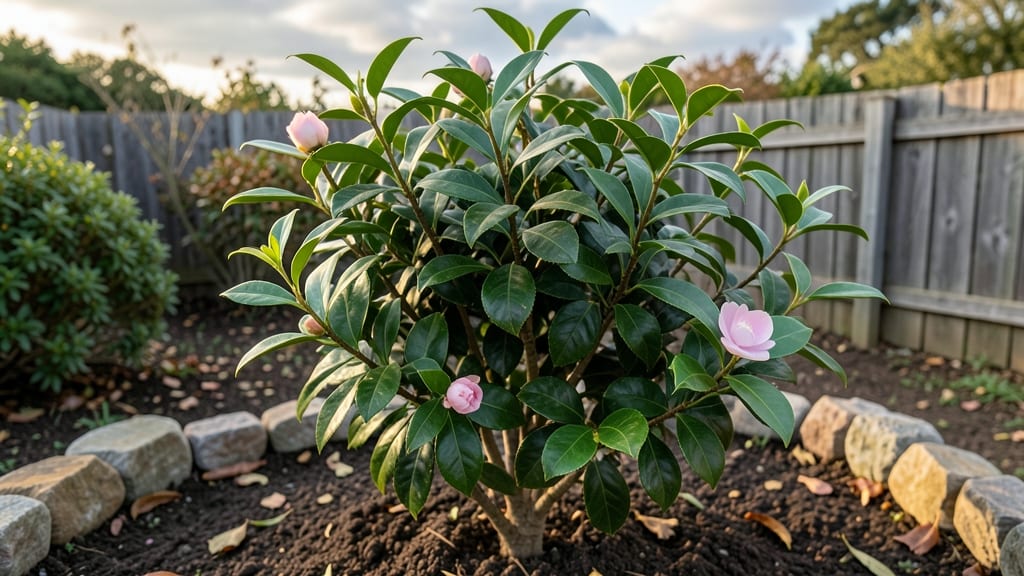
To grow tea plants, you'll need a warm, humid climate with well-draining soil, partial shade, and consistent moisture. Start with Camellia sinensis seeds or cuttings, plant in spring, and maintain 60-70°F temperatures for optimal growth and leaf development.
Tea plants thrive in environments that mimic their native subtropical conditions, where humidity stays above 70% and temperatures rarely dip below 50°F. 🌿 The key to growing them successfully at home lies in replicating these conditions—whether through shade cloths, humidity trays, or even indoor grow lights for cooler climates.
Unlike many plants, tea bushes need gentle care: overwatering or heavy fertilizer can stress the roots, while too much direct sun can scorch the delicate leaves. I’ve found that container gardening works well for beginners, as it gives you control over soil acidity (aim for pH 4.5-5.5) and drainage.
Once established, tea plants reward patience with lush, aromatic foliage. The first harvestable leaves typically appear after 12-18 months, but proper pruning in early spring encourages bushier growth. For those eager to experiment, younger leaves (the first two unfurled) are the most flavorful—perfect for steeping into delicate green teas.
Just remember: tea plants are slow growers compared to herbs, so consistency in care pays off in the long run.
💡 In This Article
- Ideal Conditions for Tea Plant Cultivation
- Tea Plant Propagation and Care Tips
Ideal conditions for tea plant cultivation
The science behind tea plant growth reveals why these delicate shrubs demand such precise conditions. Camellia sinensis thrives in temperatures between 60-70°F during the day, with nighttime lows never dropping below 50°F. This range aligns with their native subtropical habitats, where warm air maintains metabolic activity while preventing stress.
At temperatures below 50°F, the plant's chlorophyll production slows, leading to stunted growth and pale leaves. Conversely, heat above 85°F accelerates water loss, causing the plant to wilt even with adequate irrigation. 🌡️
Humidity plays an equally critical role—tea plants require 70-80% relative humidity to prevent leaf desiccation. In dry climates, this means using humidity trays or misting systems, as the plant's waxy cuticle struggles to retain moisture when air is too dry.
The soil's pH must stay within 4.5-5.5, mimicking acidic forest floors where wild tea plants grow. This acidity enhances nutrient uptake, particularly iron and manganese, which are vital for chlorophyll synthesis. For comparison, garden soil typically ranges from 6.0-7.5, making tea plants finicky about their growing medium.
Light requirements are often misunderstood—tea plants need 30-50% shade, especially in their first year. Direct sunlight can cause leaf burn, while too little light results in leggy, weak stems. The ideal scenario is dappled sunlight, similar to what tea bushes receive under forest canopies.
In containers, place plants near east-facing windows or use shade cloth rated for 50% light reduction. The balance between light and shade directly impacts leaf quality: optimal light exposure produces 2-3% more caffeine and richer aromatics in the leaves. 🌿
Drainage is non-negotiable for tea plants, as their roots are sensitive to waterlogging. The soil mix should contain 60% organic matter (like peat moss or coconut coir) and 40% perlite or sand to prevent compaction. Water should drain within 1-2 hours of irrigation, as stagnant water leads to root rot.
In containers, ensure pots have drainage holes and elevate them slightly to prevent water pooling. This drainage system mimics the well-aerated soils of tea plant native habitats, where water flows freely through layered organic material.
What most growers overlook is how these conditions interact. For example, high humidity combined with 60-70°F temperatures creates the perfect environment for beneficial fungi like mycorrhizae, which form symbiotic relationships with tea plant roots.
These fungi extend the root system's reach by up to 30%, improving nutrient absorption. Without this microbial partnership, tea plants grow more slowly and produce smaller yields. 💫
For home gardeners, replicating these conditions often requires creativity. In cooler climates, grow tea plants under grow lights set to a 12-hour photoperiod to simulate summer conditions. Use a mix of 50% sphagnum moss and 50% pine bark for the ideal acidic, well-draining medium.
Monitor soil moisture with a moisture meter—tea plants prefer the top 1-2 inches** of soil to remain consistently damp but never soggy. These small adjustments make all the difference in cultivating healthy, productive tea bushes.