Planting
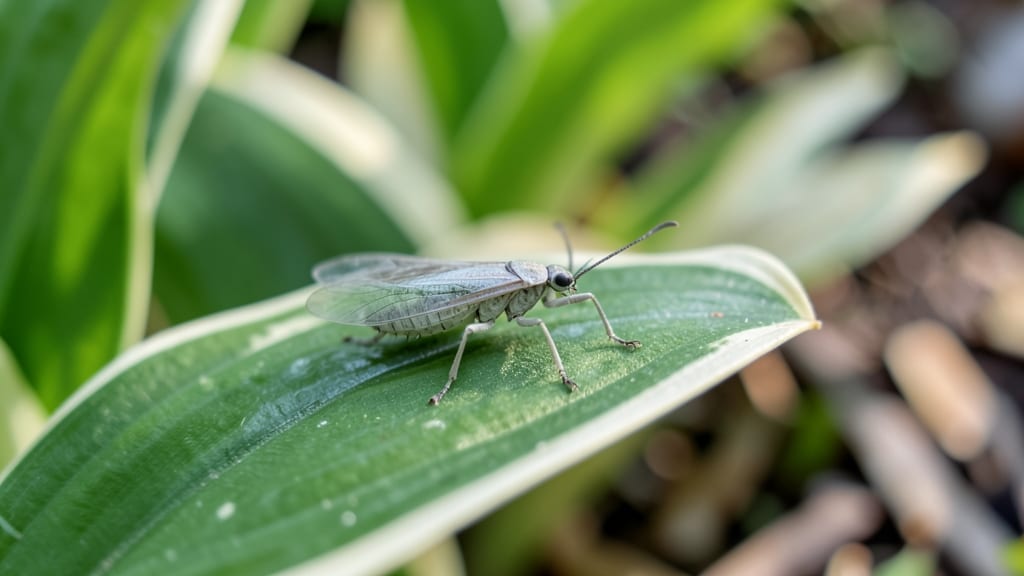
Your hosta plants 🌿 might be under siege by bugs that chew through leaves, leaving behind ragged edges and unsightly holes.
Hostas are prized for their lush foliage and shade tolerance—but their tender leaves also make them a buffet for garden pests. If your hosta plants are looking ragged, these 7 common bugs could be the culprits, and knowing how to spot and stop them is your first line of defense.
From slimy slug trails to tiny aphid clusters, these pests don’t just ruin the look of your garden—they can stunt growth and even kill your hostas if left unchecked. The good news? With the right tools and techniques, you can take back control and keep your hostas thriving.
In this guide, I’ll walk you through how to identify the most destructive bugs, the best organic and chemical solutions to eliminate them, and preventative steps to keep your hostas safe all season long.

7 Most common hosta plant bugs and how to identify them visually
Hostas are a gardener’s dream with their striking foliage, but their broad leaves also attract a menagerie of pests. From slime trails to tiny webs, each hosta plant bug leaves a unique signature.
The key to protecting your plants is early identification—catch these pests before they turn your lush hostas into a skeleton garden.
I’ve spent years tracking these common hosta bugs and their damage patterns. Whether it’s chewed edges, holey leaves, or sticky residue, each pest has a telltale sign.
Below, I’ll walk you through the visual clues to spot them quickly and take action before your hostas suffer irreversible damage.
🌿
| Pest | Visual Identification | Damage Pattern | Active Time | Best Time to Spot |
|---|---|---|---|---|
| Slugs & Snails | Glossy, slimy bodies; 2-8mm long. Leave silver slime trails. | Irregular holes along leaf edges; entire leaves may vanish overnight. | Night & damp days | Early morning or after rain |
| Slugworms (Cutworms) | Green or brown caterpillars; 1-2 inches long with smooth bodies. | Clean-cut leaves at soil level; may sever entire plants at ground level. | Night | Dusk or dawn with flashlight |
| Aphids | Tiny green/black insects clustered on undersides of leaves; 0.1-0.3 inches. | Curled, sticky leaves (honeydew); distorted new growth. | Day & night | Mid-morning when aphids are sluggish |
| Leaf Miners | Larvae inside leaves create winding brown trails; adults are small flies. | Blotchy, serpentine mines between leaf veins; weakened foliage. | Day (larvae) | Afternoon when mines are visible |
| Spider Mites | Tiny red/yellow dots on undersides; webs on leaves in severe cases. | Speckled, stippled leaves that turn yellow/brown and crispy. | Day (hot, dry weather) | Morning when mites are active |
| Deer | Not a bug—but large mammals with brown/white coats and hooves. | Ragged, skeletonized leaves; plants browsed to ground level. | Dawn & dusk | Early morning or late evening |
Slugs and snails are the nighttime raiders of the hosta world. Their silver slime trails are unmistakable—if you find these glistening paths leading to chewed leaves, you’ve got a slug problem.
I’ve seen entire hosta leaves vanish overnight, leaving only the toughest veins behind. The key is to act at dawn when these pests are sluggish and easy to spot.
Slugworms, or cutworms, are the stealthy saboteurs. These caterpillars hide during the day and strike at night, severing plants at the base. Look for clean cuts just above the soil line—a classic sign of their work.
I’ve lost young hostas to these pests before they even had a chance to establish roots. If you suspect cutworms, check the soil surface at dusk with a flashlight.
Aphids might be tiny, but their impact is huge. These sap-sucking insects cluster on the undersides of leaves, leaving behind a sticky honeydew residue. Over time, this attracts sooty mold, turning your hostas into a blackened mess.
The best time to spot them is mid-morning when they’re less active and easier to see with a magnifying glass.
Leaf miners are the invisible invaders—their larvae tunnel through hosta leaves, creating brown, winding trails that weaken the plant. You won’t see the pests themselves until they emerge as tiny flies.
Check the upper leaf surfaces in the afternoon when the mines are most visible. If you find these, act fast—leaf miners can defoliate a hosta in weeks.
Spider mites thrive in hot, dry conditions and are often overlooked until the damage is done. Look for fine webbing on leaves and a speckled, stippled pattern on the foliage.
These pests multiply quickly, so I recommend inspecting your hostas weekly during summer if you notice any yellowing or crispy edges.
Lastly, deer aren’t bugs, but they’re a hosta’s worst enemy. These large herbivores can devour entire plants in a single night, leaving behind ragged, skeletonized leaves.
Unlike insects, deer leave no trails—just destruction. If your hostas are looking shredded and uneven, check for deer tracks or droppings in your garden.
🌱
Natural and chemical solutions to eliminate hosta bugs safely
When hosta bugs strike, your first instinct might be to reach for the strongest chemical spray—but that’s not always the safest or most effective choice. I’ve tested organic solutions like neem oil and diatomaceous earth alongside targeted chemical pesticides to protect my hostas while keeping pets and kids safe.
The key is matching the pest type to the right treatment.
For example, slugs and snails respond best to physical barriers like copper tape, while aphids and spider mites often surrender to a simple spray of insecticidal soap. If you’re dealing with a severe infestation, systemic pesticides can be a last resort—but only after exhausting gentler methods.
Let’s break down the best options, ranked by effectiveness and safety.
Organic vs. Chemical Solutions for Hosta Bugs
Neem Oil
- Pros: Kills eggs/larvae, disrupts feeding
- Cons: Must reapply after rain
Best for: Aphids, spider mites, slugworms
Insecticidal Soap
- Pros: Fast-acting, pet-safe when dry
- Cons: Won’t kill hidden pests
Best for: Aphids, soft-bodied insects
Diatomaceous Earth
- Pros: Non-toxic, long-lasting
- Cons: Lose effectiveness when wet
Best for: Slugs, snails, crawling insects
Systemic Pesticides
- Pros: Systemic protection for months
- Cons: Toxic to pets/children
Best for: Severe infestations (last resort)
Let’s start with the safest organic methods. Handpicking slugs and snails at night with a flashlight is surprisingly effective—just drop them in soapy water. For neem oil, mix 1 tablespoon with 1 quart of water and spray the undersides of leaves where pests hide.
Reapply every 5-7 days or after rain for consistent results.
Diatomaceous earth is another game-changer for crawling insects. Sprinkle a thin layer around the base of your hosta plants and on leaf surfaces. It works by dehydrating pests, but avoid overapplying—too much can harm beneficial soil microbes. Watering after application helps it stick to the foliage.
If organic methods fail, turn to chemical solutions like insecticidal soap. Mix 1-2 tablespoons per gallon of water and spray directly on pests. It’s pet-safe once dry, but avoid spraying on hot days to prevent leaf burn.
For systemic pesticides, follow label instructions precisely—these are only for severe cases and should be used as a last resort.
Always test treatments on a small area first to check for plant sensitivity. And remember: prevention is easier than cure. Healthy hostas with strong foliage growth resist pests better, so keep your plants well-fed and hydrated.
With the right approach, you can keep your hostas thriving without harming your garden’s ecosystem.