
How To
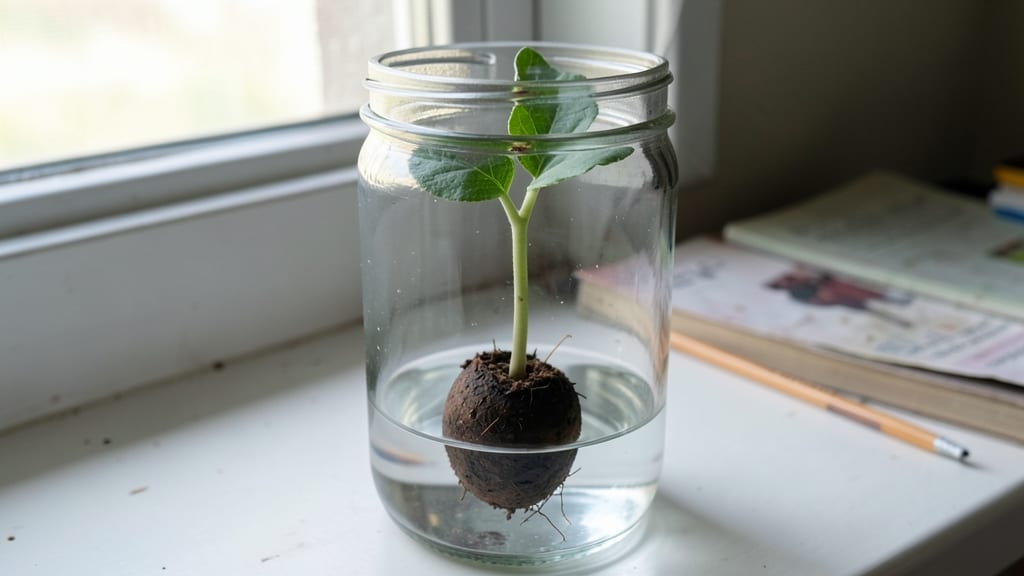
Planting an avocado in water is the easiest way to turn that 🥑 pit into a lush houseplant—no soil or special tools needed.
Turn that avocado pit sitting in your fruit bowl into a thriving houseplant with this simple water-germination method—no green thumb required! All you need is a glass of water, a little patience, and a sunny spot.
Most seeds rot within days, but with the right technique, you’ll see roots in just 2-4 weeks. The key is keeping the water fresh, the pit half-submerged, and the environment warm.
Once those roots hit 3-4 inches, you’ll learn exactly when to move your seedling to soil and how to keep it growing strong for years to come.

Step-by-step guide to germinating avocado seeds in water
Watching an avocado seed sprout roots in water is one of the most rewarding beginner gardening projects—it’s simple, visually satisfying, and teaches patience.
With just a few household items and consistent care, you can transform a store-bought pit into a living plant ready for soil in as little as 4-6 weeks. The key is understanding the seed’s needs: clean water, indirect light, and a little daily attention to prevent mold or stagnation.
Before you begin, choose a fresh avocado pit with no cracks or soft spots—these can lead to rot. Rinse the pit thoroughly to remove any fruit residue, which can attract bacteria. You’ll also need toothpicks, a glass jar, and filtered or distilled water to avoid chlorine buildup.
This method works best in spring or early summer, when natural light increases and temperatures are mild.
How to Plant Avocado in Water: Step-by-Step
-
Step 1: Prepare the Pit
Rinse the avocado pit under cool water to remove all flesh residue. Use a paper towel to pat it dry. -
Step 2: Insert Toothpicks
Place 3 toothpicks evenly around the pit’s middle, about ½ inch apart. This creates a stable suspension in your jar. -
Step 3: Suspend in Water
Fill a glass jar with room-temperature water (2-3 inches deep). Rest the toothpicks on the rim so the pit floats halfway submerged. -
Step 4: Place in Indirect Light
Set the jar near a bright, indirect-light source, like an east-facing window. Avoid direct sun, which can overheat the water. -
Step 5: Change Water Weekly
Replace the water every 5-7 days to prevent bacterial growth. Use clean, chlorine-free water for best results. -
Step 6: Monitor Root Growth
Roots typically appear in 2-4 weeks. Once roots reach 2-3 inches, it’s time to prepare for soil transplantation.
In the first 1-2 weeks, your avocado pit may look dormant, but don’t worry—it’s preparing to sprout. The water level should always cover the bottom third of the pit; if it dries out, roots can suffocate.
Use a clear jar to track progress easily, and avoid moving it often to reduce stress on the seed.
One common mistake is letting the water get stagnant or cloudy, which invites mold. If you notice black spots or a foul smell, dump the water, rinse the pit, and restart with fresh water.
Patience is key—some seeds take up to 6 weeks to show signs of life, especially in cooler months.
Once roots reach 2-3 inches, they’ll thicken and turn woody. This is your cue to transition to soil, but only if the roots are healthy and firm. Avoid transplanting if the roots appear mushy or discolored, as this signals rot.
A well-draining potting mix and a small pot with drainage holes are essential for the next phase.
Pro tip: Label your jar with the date you started and track water changes in a notebook. This helps you identify patterns, like slower growth in winter or faster sprouting in spring.
Even if your first attempt doesn’t succeed, 70% of avocado pits will germinate with the right care—so keep trying!
Remember, this process is as much about observation as action. Notice how the pit’s texture changes, how roots develop, and how light affects growth. These small details will deepen your connection to the plant and set you up for success when you transplant.
Optimal conditions for avocado seed growth: light, temperature, and water care
Your avocado seedling thrives when you mimic its natural tropical environment. The right balance of bright indirect light, warmth between 65-85°F, and clean water can transform a slow sprouter into a vigorous seedling in just 4-6 weeks.
Even small adjustments—like moving your jar to a sunnier spot—make a surprising difference in root development.
Light is the most critical factor after water. Avocado seeds need bright indirect sunlight for 6-8 hours daily, but avoid harsh midday sun that can scorch tender roots. Place your seedling near a south-facing window or under a grow light if natural light is limited.
Yellowing leaves signal insufficient light, while crispy edges mean too much direct exposure.
⚠️ Critical Water Care for Avocado Seeds
Never use tap water straight from the faucet—chlorine and fluoride can stunt root growth. Instead:
- Use filtered or distilled water at room temperature
- Change the water every 3-4 days to prevent bacterial growth
- Keep water levels just covering the bottom 1 inch of the pit to avoid rot
- Use a glass jar with a breathable lid (like a plastic wrap with holes) to maintain humidity
Warning: Cloudy water or foul odors mean it's time to refresh—don't wait for roots to appear!
Temperature fluctuations are the silent growth killer. Avocado seeds germinate best in consistent warmth between 65-85°F. If your home dips below 60°F at night, move the seedling to a warmer spot like near a heat vent or under a grow light with a heat mat.
Cold drafts from windows or AC vents can shock the seed and halt root development entirely.
Humidity plays a subtle but crucial role in early growth. While your seedling won't need a humidifier yet, maintaining 50-60% humidity around the jar helps prevent the pit from drying out. Grouping your seedling with other houseplants creates a natural microclimate.
If you notice the edges of the pit looking dry, lightly mist the air around it with a spray bottle—just avoid soaking the pit itself.
The transition from water to soil requires careful preparation. Before planting, harden off your seedling by gradually reducing water levels in the jar over 3-5 days. This helps the roots adapt to drier conditions.
Choose a well-draining potting mix (like a 50/50 blend of cactus soil and perlite) and plant at the same depth it sat in water to avoid stem rot.
Remember, patience is key—your avocado seedling's first leaves will be small and delicate, but with consistent care, it'll grow into a 6-foot-tall tree in just a few years. The secret sauce? Paying attention to those subtle environmental cues like leaf color and root growth speed 🌱.