
Plants
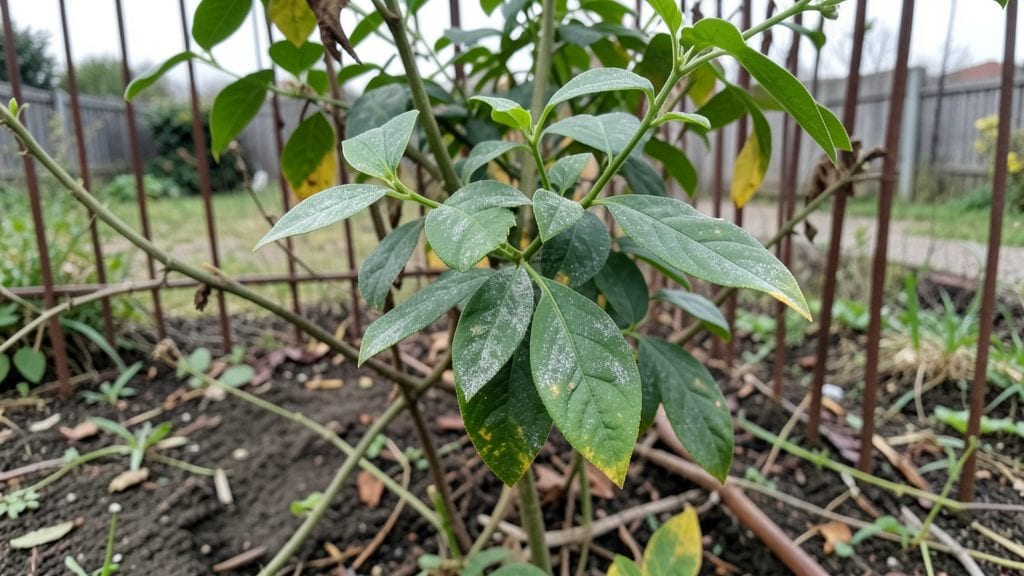
That fuzzy white patch creeping over your jasmine plant fungus isn’t just cosmetic—it’s a fungal infection threatening your vine’s health, and neem oil isn’t just a quick fix. 🌿 I’ve battled powdery mildew and leaf spot on my jasmine vines, and... a cure—it’s the game-changer that restores those glossy, fragrant leaves in just a few applications.
The problem usually starts with too much moisture lingering on leaves or poor airflow between branches. Overhead watering, dense planting, or humidity trapped by plastic pots create the perfect breeding ground. My first mistake was ignoring the early signs—tiny yellow spots—until the fungus took over, turning leaves brittle and stunted.
With neem oil, you’ll see improvement within days: the white powder dissolves, spots fade, and new growth emerges clean and vibrant. The key is consistency—spray every 7 to 10 days until the fungus disappears, and always water at the base to keep foliage dry.
Prune crowded branches to improve airflow, and your jasmine will bounce back stronger than ever.
This method works for both powdery mildew and leaf spot, and it’s safe for pets and kids once fully dried. The secret weapon? Neem oil’s natural antifungal properties, which disrupt the fungus’s life cycle without harsh chemicals. Your jasmine’s fragrance and beauty will return—promise.
Root Causes Of Fungal Issues
Fungal infections in jasmine plants—like powdery mildew, leaf spot, or root rot—don’t appear out of nowhere. Understanding the why behind these problems is the first step to preventing them. Below, we break down the key factors that create the perfect storm for fungal growth on your jasmine.
Fungi thrive in moisture-rich environments, and jasmine plants are particularly susceptible when humidity levels climb too high. Here’s why:
- Poor Air Circulation: Dense foliage or crowded plantings trap humidity near leaves, creating a damp microclimate.
Fungi like Botrytis (gray mold) and Erysiphe (powdery mildew) spread rapidly in these conditions. - Water Droplets on Leaves: Overhead watering or morning dew leaves water sitting on leaves for hours—ideal for fungal spores to germinate.
Even well-draining soil can become a problem if the plant sits in soggy conditions. - High Nighttime Humidity: If humidity stays above 70% for prolonged periods (especially in greenhouses or indoor setups), fungal spores activate and infect plants within 24–48 hours.
Actionable Fix: Space plants for airflow, water at the base (not overhead), and use a dehumidifier or fan in humid climates.
Jasmine roots need oxygen—when soil stays waterlogged, roots suffocate, weaken, and become prime targets for root rot fungi like Phytophthora or Pythium.
- Compacted or Clay Soil: Heavy soils hold excess water, preventing roots from breathing. Fungal hyphae (thread-like structures) spread aggressively in anaerobic (low-oxygen) zones. - Overwatering: Even well-draining soil can lead to rot if water isn’t allowed to evaporate.
Signs include yellowing leaves, mushy stems, or a foul odor from the soil. - Lack of Organic Matter: Soil with low compost or mulch breaks down slowly, reducing aeration and increasing fungal activity.
Actionable Fix: Amend soil with perlite, sand, or coconut coir to improve drainage. Ensure pots have drainage holes, and let the top 1–2 inches of soil dry between waterings.
A healthy jasmine plant can resist many fungal pathogens, but stress makes it vulnerable. Common stressors include:
- Nutrient Deficiencies: Low nitrogen, phosphorus, or potassium weaken cell walls, making them easier for fungi to penetrate. Yellowing leaves (chlorosis) often signal a deficiency.
- Physical Damage: Pruning wounds, insect bites (like spider mites), or hail can create entry points for fungi. Alternaria leaf spot, for example, exploits these openings.
- Environmental Shock: Sudden temperature drops, extreme heat, or transplant shock suppress the plant’s natural defenses.
Actionable Fix: Use a balanced fertilizer (10-10-10) every 4–6 weeks, prune with sterilized tools, and avoid drastic environmental changes.
Fungal spores are everywhere—on tools, old mulch, or even potting mix. If you’re not careful, they hitch a ride to your jasmine.
- Reused Pruners: Tools contaminated with Fusarium or Verticillium (soil-borne fungi) can transfer spores to healthy plants. Even a tiny cut introduces infection. - Infested Potting Mix: Cheap or reused soil may harbor dormant fungal spores.
Sterilizing soil with baking soda or solarization kills these pathogens. - Cross-Contamination: Moving infected plants near healthy ones spreads spores via wind, water, or touching leaves.
Actionable Fix: Disinfect pruners with rubbing alcohol (70%+), sterilize soil with a 1:10 baking soda solution, and quarantine new plants for 2 weeks.
Fungi love confinement. Whether in a garden bed or a pot, poor ventilation traps spores and moisture.
- Greenhouse Effect: Plastic covers or dense canopies trap heat and humidity, accelerating fungal growth. Powdery mildew often appears in these conditions.
- Tight Plant Spacing: Jasmine vines touching each other create bridges for spores to jump from plant to plant.
- Indoor Stagnation: Low airflow in homes or offices allows fungi to persist longer, especially in bathroom or kitchen gardens.
Actionable Fix: Thin out plants, install ventilation fans, and avoid overhead shading that reduces airflow.
Some fungi wait for the right conditions to strike. Watch for these red flags:
- Prolonged Rain or Dew: Fungi like Septoria (leaf spot) thrive when leaves stay wet for more than 6 hours.
Rainy seasons increase infection rates by 300%. - Warm, Muggy Nights: Temperatures between 60–80°F (15–27°C) with high humidity trigger powdery mildew outbreaks. - Sudden Temperature Swings: Cold mornings followed by hot afternoons create condensation, prolonging moisture on leaves.
Actionable Fix: Mulch around plants to regulate soil temperature, water early in the day so leaves dry quickly, and prune for sunlight penetration.
Fungal issues on jasmine plants are rarely random—they’re the result of environmental mismatches between the plant’s needs and your care routine. By addressing moisture, airflow, soil health, and stress factors, you can starve out fungi before they take hold.
The next section will show you how neem oil can be your secret weapon against these invaders. 🌿✨
Quick Fixes for Fungal Woes
Fungal issues on your jasmine plant can feel like a stubborn puzzle, but with the right approach, you can restore its health—fast! Below, we’ve mapped out practical, step-by-step solutions tailored to common causes, from overwatering to poor airflow.
Whether your leaves are spotted, yellowing, or covered in mold, these fixes will help you reverse the damage and keep your plant thriving.
Symptoms: Soft, mushy stems, yellowing leaves, or a foul smell from the soil.
How to Fix It
✅ 🔥 Step 1: Stop Watering Immediately
- Let the top 1–2 inches of soil dry out completely before watering again. Fungi love soggy conditions, so drainage is non-negotiable.
✅ 🍳 Step 2: Repot in Well-Draining Soil
- Mix cactus or succulent soil (50%) with perlite or coarse sand (30%) and compost (20%) for better aeration.
- If repotting, trim any blackened roots with sterilized scissors to prevent spread.
✅ 👨🍳 Step 3: Improve Airflow & Light
- Move your jasmine to a bright, indirect spot (east or north-facing windows are ideal).
- Space plants 3–6 inches apart to reduce humidity buildup.
💡 Pro Tip: Use a terracotta pot—it breathes better than plastic and helps wick away excess moisture.
Symptoms: White powdery patches, dark spots with yellow halos, or crusty growth on leaves.
How to Fix It
✅ 🔪 Step 1: Prune Infected Areas
- Snip off severely affected leaves with clean, sharp shears. Dispose of them in the trash (not compost)—fungi can survive in organic matter.
✅ 🌡️ Step 2: Apply a Fungicide (Neem Oil or Baking Soda Spray) - Neem Oil Mix: 1 tbsp neem oil + 1 tsp mild soap + 1 quart water.
Spray every 7–10 days until symptoms disappear. - Baking Soda Spray: 1 tsp baking soda + 1 quart water + a few drops of dish soap. Test on a small leaf first to avoid burns.
✅ ⏰ Step 3: Adjust Watering Habits
- Water only at the base (avoid wetting leaves) and early in the day so foliage dries quickly.
- Use a fan on low for 1–2 hours daily to improve airflow.
💡 Pro Tip: Prevent recurrence by sanitizing pruners with rubbing alcohol between cuts and rotating your plant weekly for even light exposure.
Symptoms: Wilting despite moist soil, dark, mushy stems, or roots that smell rotten.
How to Fix It ✅ 🔥 Step 1: Emergency Repotting
- Remove the plant from its pot and rinse roots gently with water to dislodge soil.
- Trim all black/mushy roots (healthy roots are firm and white).
If more than 50% of roots are rotten, the plant may not recover.
✅ 🍳 Step 2: Sterilize the Pot & Soil
- Soak the pot in 1 part bleach to 9 parts water for 10 minutes, then rinse and dry.
- Use fresh, sterile potting mix (or bake soil at 200°F for 30 minutes to kill fungi).
✅ 👨🍳 Step 3: Revive with Care
- Repot in a clean pot with drainage holes and water sparingly for 2 weeks.
- Place in bright, indirect light and avoid fertilizing until new growth appears.
💡 Pro Tip: Prevent future rot by watering only when the top inch of soil is bone-dry and using a moisture meter if you’re prone to overwatering.
Once your jasmine is back in shape, keep these habits to lock in fungal-free growth:
- 🌡️ Monitor Humidity: Aim for 40–60% humidity.
Use a hygrometer and a dehumidifier if needed. - 🍃 Quarantine New Plants: Keep newly purchased jasmines separate for 2–4 weeks to spot pests/fungi early. - 🧼 Clean Regularly: Wipe leaves with a damp cloth every 2 weeks to remove dust (which traps moisture). - 🌱 Rotate & Prune: Trim crowded or dead foliage seasonally to boost airflow.
Remember: Fungal issues are manageable—the key is acting fast and adjusting care habits. With these fixes, your jasmine will be spotless, lush, and fungus-free in no time! 🌿✨
Frequently asked questions
What are the first signs my jasmine plant has fungus?
Watch for powdery white residue on leaves (powdery mildew), dark brown/black spots with yellow edges (leaf spot), or soft, mushy stems (root rot). Early signs also include yellowing leaves or stunted growth. Catching these within 3–5 days prevents severe damage.
Can I still save my jasmine if most leaves are covered in fungus?
Yes, but act fast! Prune 90% of infected leaves, repot in fresh soil, and apply neem oil spray every 7 days for 3 weeks. Move to a sunny, dry spot with good airflow. If roots are severely rotted (50%+ black/mushy), recovery is unlikely.
How often should I spray neem oil on my jasmine?
Spray every 7–10 days until the fungus disappears. For prevention, apply once a month during humid seasons. Always mix with 1 tsp mild soap per quart to help it stick. Avoid spraying in direct sunlight to prevent leaf burn.
Will fungicides harm my jasmine’s flowers or fragrance?
Neem oil and baking soda sprays are petal-safe and won’t affect fragrance. Chemical fungicides (like copper-based ones) may slightly reduce scent temporarily. Always apply before blooming if possible, and rinse flowers lightly after treatment.
Can I reuse the soil from my infected jasmine plant?
No—fungal spores survive in soil. Discard old soil or sterilize it by baking at 200°F for 30 minutes. Use fresh, sterile potting mix with added perlite to prevent recurrence. Never reuse containers without cleaning with bleach solution (1:9 ratio).