
Diseases
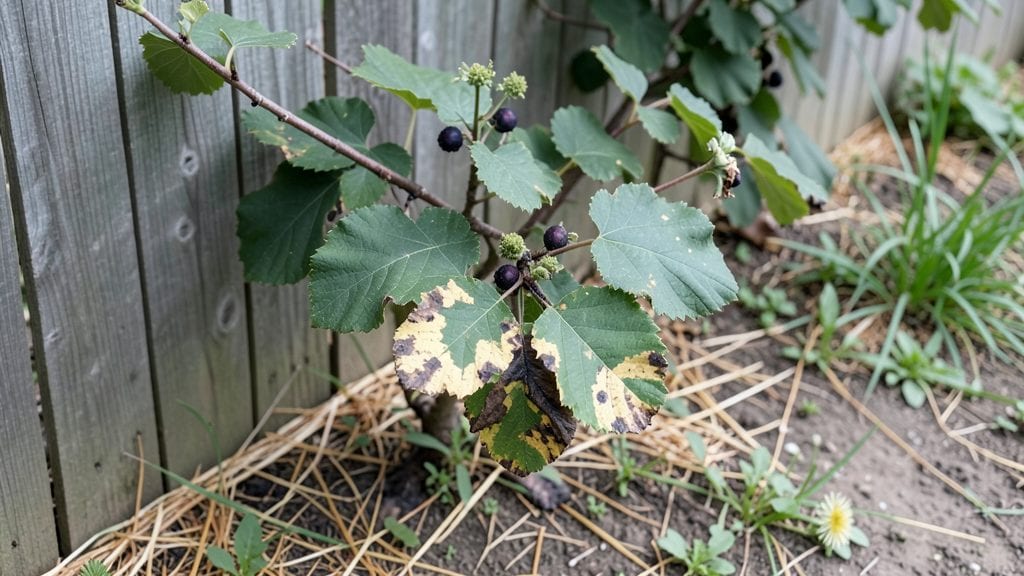
Mulberry plant diseases like anthracnose and powdery mildew can turn your lush tree into a sad, spotted mess if you don’t catch them early. I’ve seen healthy mulberries go from vibrant green to sad and spotted in just weeks—until I learned the telltale signs and quick fixes.
The key is spotting the symptoms before they spread: dark splotches on leaves, white powdery coatings, or sudden leaf drop. These aren’t just cosmetic issues; they weaken the tree and cut fruit production.
Most of these fungal problems start with too much moisture or poor airflow—common in mulberries’ dense canopies. Pruning to improve sunlight penetration and spacing plants properly cuts the risk dramatically.
I’ve also found that a simple baking soda spray (1 teaspoon per quart of water) stops powdery mildew in its tracks within a week. For root rot, the fix is even simpler: improve drainage and avoid overwatering.
The goal isn’t just to treat the disease but to create an environment where mulberries thrive instead of struggle.
By the time you’re done reading, you’ll recognize these diseases faster than they can spread—and your tree will bounce back with stronger growth. Think of it like a health check: catching issues early means your mulberry stays productive for years.
The best part? These solutions work without harsh chemicals, so you can enjoy those sweet berries without worry. Let’s get your mulberry back to its best.
Whether you’re dealing with a young sapling or a mature tree, these fixes adapt to any stage. The secret is consistency: check leaves weekly during wet seasons, and act fast when you see trouble.
Your mulberry will thank you with bigger harvests and fewer headaches. Now go give those branches a closer look—you might spot something that needs attention today.
Root Causes of Mulberry Ailments
Understanding why mulberry plants fall prey to diseases helps you take preventive action before problems arise. These issues rarely happen in isolation—they’re often the result of environmental stress, poor growing conditions, or even human habits.
Let’s break down the real culprits behind mulberry plant diseases, so you can tackle them head-on.
🍄 Why it happens: Mulberry trees are particularly vulnerable to fungal infections because their leaves, bark, and fruit provide the perfect humid, organic-rich environment for spores to thrive. Fungi like Colletotrichum (anthracnose), Botryosphaeria (dieback), and Puccinia (rust) latch onto weak spots—often entering through wounds, old leaves, or even rain-splashed soil.
- Overhead watering keeps leaves damp for extended periods, creating a fungal buffet. 🌧️
- Poor air circulation (common in dense plantings or shaded areas) traps moisture, giving fungi a foothold.
- Infected plant debris left on the ground acts as a spore reservoir, reinfecting healthy plants year after year.
Actionable fix: Space mulberry trees for airflow, water at the base (not overhead), and remove fallen leaves/debris promptly.
🌡️ Why it happens: Mulberries are hardy, but extreme conditions—like heatwaves, drought, or sudden temperature swings—stress the plant, lowering its resistance to diseases.
For example: - Drought stress causes leaves to thicken and crack, inviting fungal entry points. - Excessive humidity (especially in summer) promotes rust and powdery mildew outbreaks. - Cold snaps can damage bark, leaving wounds where pathogens like Botryosphaeria (a common dieback cause) can invade.
Actionable fix:
- Mulch around the base to retain moisture without suffocating roots.
- Avoid overwatering—mulberries prefer well-drained soil but hate soggy feet.
- Prune in late winter to improve airflow and remove dead wood before fungal spores wake up.
🌱 Why it happens: Mulberries thrive in slightly acidic to neutral soil (pH 6.0–7.5), but imbalances—like compacted, nutrient-poor, or alkaline soil—weaken the plant’s immune system.
Key triggers: - Nitrogen deficiency (yellowing leaves) makes plants more susceptible to fungal leaf spots. - Excess phosphorus (from over-fertilization) can disrupt beneficial microbial activity, allowing harmful fungi to dominate. - Waterlogged soil (from poor drainage) starves roots of oxygen, making them prone to root rot (Phytophthora or Fusarium).
Actionable fix:
- Test soil pH and amend with sulfur (to lower pH) or lime (to raise it) if needed.
- Use compost or organic matter to improve drainage and microbial balance.
- Avoid synthetic fertilizers—opt for slow-release organic options to prevent nutrient spikes.
🐜 Why it happens: Insects like scale, aphids, and borers don’t just damage mulberries—they wound the plant, creating perfect gateways for fungal infections.
For example: - Aphids excrete honeydew, which fosters sooty mold (Capnodium). - Bark borers tunnel into stems, leaving open wounds for Botryosphaeria to infect. - Japanese beetles chew leaves, creating tears where Colletotrichum (anthracnose) can take hold.
Actionable fix:
- Monitor for pests regularly—use neem oil or insecticidal soap for early infestations.
- Encourage natural predators (ladybugs, lacewings) to keep pest populations in check.
- Seal pruning wounds with pruning paint to block fungal entry.
🌿 Why it happens: If you’re growing mulberries from cuttings, grafts, or infected nursery stock, diseases can hitch a ride. Even contaminated tools (pruners, saws) can transfer spores between plants.
Common culprits: - Viruses (like mulberry mosaic) spread via infected cuttings or sap-sucking insects. - Bacterial cankers (Pseudomonas) enter through tool wounds during propagation. - Dormant spores on old tools can reactivate when used on healthy plants.
Actionable fix:
- Sterilize tools with rubbing alcohol or bleach between uses.
- Buy certified disease-free plants from reputable nurseries.
- Dispose of infected plant material in sealed bags—do not compost diseased mulberry debris.
🌦️ Why it happens: Mulberry diseases often peak during specific weather conditions:
- Spring rains + warm nights = Perfect for anthracnose (Colletotrichum) outbreaks.
- Humid summers = Rust (Puccinia) spores spread rapidly via wind and splashing water.
- Late-season storms = Can dislodge bark, inviting Botryosphaeria infections.
Actionable fix:
- Time fungicide applications before predicted rain (e.g., apply in the evening to avoid wash-off).
- Choose disease-resistant varieties (like ‘Illinois Everbearing’) if your climate is prone to outbreaks.
- Adjust irrigation schedules to avoid evening watering when humidity is high.
Pro Tip: 💡 The best defense is offense! Healthy mulberries with strong airflow, balanced soil, and minimal stress rarely fall victim to severe diseases. Prevention > Cure—so start with these fixes before symptoms appear!
Fixing Mulberry Plant Ailments
Now that you’ve identified the culprit behind your mulberry plant’s woes, it’s time to roll up your sleeves and restore its health! Below are practical, step-by-step solutions tailored to each common fungal threat, along with prevention tips to keep your plants thriving long-term.
Whether you’re dealing with powdery mildew, root rot, or leaf spot, these fixes will help you turn things around fast—without breaking the bank or the environment.
Cause: Fungal spores thrive in humid, shaded conditions, forming a white, powdery coating on leaves. Fix:
- 🧼 Clean Up Immediately
- Wipe infected leaves with a neem oil-soap solution (1 tbsp neem oil + 1 tsp mild dish soap + 1 quart water). Use a soft cloth or sponge to avoid damaging tender foliage.
- For severe cases, prune affected branches (sterilize shears with rubbing alcohol between cuts) and dispose of debris in the trash—not the compost!
- 🌿 Boost Airflow and Light
- Space plants 3–5 feet apart to improve air circulation.
- Thin out overgrown branches to let sunlight reach the lower canopy.
- Avoid overhead watering—use a soaker hose or drip irrigation to keep leaves dry.
- 💡 Preventive Sprays - Baking soda spray: Mix 1 tsp baking soda, 1 tbsp vegetable oil, and a drop of dish soap in 1 quart of water.
Spray every 7–10 days during humid weather. - Sulfur or copper fungicide: Apply every 2 weeks as a preventive measure (follow label instructions).
🌡️ Pro Tip: Mulberry plants hate humidity. If your garden is prone to damp mornings, water in the early morning so leaves dry by evening.
Cause: Overwatering or poor drainage leads to waterlogged soil, inviting Phytophthora or Pythium fungi. Fix:
- ⏰ Stop Watering Immediately
- Let the soil dry out completely for 3–5 days before watering again.
- Check drainage: If your mulberry is in a pot, ensure it has drainage holes. For in-ground plants, amend the soil with perlite or coarse sand to improve aeration.
- 🔪 Remove Infected Roots
- Gently dig around the base and trim black, mushy roots with sterilized pruners.
- Do not compost infected soil or roots—bag and discard them.
- 🌿 Revive with Fungicide and Adjust Care
- Apply a systemic fungicide (like Mycorrhizal fungi or hydrogen peroxide spray—3% solution, diluted to 1:9 with water).
- Repot if needed: Use a fresh, sterile potting mix with added biochar or compost to improve soil health.
- Water only when the top 2 inches of soil are dry—stick your finger in to test!
✨ Prevention: Mulberries need moderate moisture, not soggy soil. Avoid saucer-style pots that trap water, and consider a self-watering system with a moisture sensor.
Cause: Fungal spores (like Cercospora or Alternaria) create dark, irregular spots on leaves, often with yellow halos. Fix:
- 🗑️ Remove and Destroy Infected Leaves
- Pick off spotted leaves and drop them into a sealed plastic bag (don’t leave them on the ground!).
- Burn or trash them—do not compost to prevent spore spread.
- 🍳 Copper Fungicide Treatment
- Spray leaves with a copper-based fungicide (e.g., Copper Soap) every 7–10 days until new growth appears.
- Homemade option: Mix 1 tbsp apple cider vinegar + 1 tsp baking soda + 1 quart water for a mild fungicidal spray.
- 🌿 Improve Sanitation
- Sterilize pruners with 70% isopropyl alcohol before and after trimming.
- Clean up fallen leaves regularly—fungi hitchhike on debris!
💡 Pro Tip: Prune for airflow—leaf spot loves crowded, damp conditions. Thin out branches to let sunlight and air circulate.
Cause: This fungal disease causes sunken, water-soaked lesions on leaves, stems, and fruit, often in wet, warm conditions. Fix:
- 🔪 Prune Aggressively
- Cut out all infected leaves, stems, and fruit—even small lesions can spread.
- Dispose of clippings in the trash (not compost).
- 🍳 Fungicidal Spray Schedule
- Preventive spray: Use chlorothalonil or potassium bicarbonate every 2 weeks during rainy seasons.
- Organic alternative: Cinnamon powder (sprinkle on pruning cuts) or garlic spray (blend 5 garlic cloves + 1 quart water, strain, and spray).
- 🌧️ Adjust Watering Habits
- Water at the base, avoiding foliage.
- Use a rain guard (a small umbrella over potted mulberries) to shield leaves during downpours.
🎯 Prevention: Space plants widely (4–6 feet apart) and avoid overhead sprinklers—Anthracnose loves moisture on leaves.
No matter the disease, these habits will fortify your mulberry plants against fungal attacks:
- 🌱 Soil Health: Test soil pH (ideal: 6.0–7.0) and amend with compost or worm castings.
- 🍃 Mulch Smartly: Use straw or wood chips (not leaves) to keep soil moist but not soggy.
- 🌿 Rotate Crops: If growing mulberries in containers, replace soil every 2–3 years to avoid fungal buildup.
- 🦋 Beneficial Allies: Introduce ladybugs, lacewings, or predatory mites to control pests that stress plants (and invite fungi).
Final Thought: Most mulberry diseases are preventable with good hygiene and proactive care. Once you’ve treated the current issue, stay vigilant—regular inspections and quick action will keep your plants lush, productive, and disease-free for years! 🌿💪
Frequently asked questions
What are the first signs of mulberry fungal infections?
Watch for white powdery coatings (powdery mildew), dark spots with yellow halos (leaf spot), or sunken lesions (anthracnose) on leaves. Early detection is key—these symptoms often appear before leaves yellow or drop. Check undersides of leaves first, as fungi often start there.
Can I save a mulberry tree already showing severe disease symptoms?
It depends on the disease! For root rot, aggressive pruning and improved drainage may revive the tree. With anthracnose or dieback, severe cases might require removal to prevent spread. Start with pruning infected branches, applying fungicide, and adjusting watering—then monitor for 2-3 weeks before deciding.
Are there organic fungicides that actually work for mulberries?
Yes! Copper fungicides (like Copper Soap) and potassium bicarbonate are effective against most fungal diseases. For powdery mildew, a baking soda spray (1 tsp baking soda + 1 tbsp oil + 1 quart water) works wonders. Apply every 7-10 days during humid weather for best results.
How do I prevent mulberry diseases in my garden?
Focus on airflow, sanitation, and proper watering. Space plants 3-5 feet apart, water at the base (not overhead), and remove fallen leaves regularly. Sterilize pruners between cuts, and avoid overhead irrigation during rainy seasons. Prevention is easier than cure!
Will mulberry diseases spread to other plants in my garden?
Some fungal spores (like anthracnose or rust) can jump to nearby plants, especially if conditions are humid. To protect your garden, isolate infected mulberries, sterilize tools after use, and avoid composting diseased leaves. Most mulberry-specific fungi won’t harm vegetables, but they can reinfect other fruit trees.