
How To
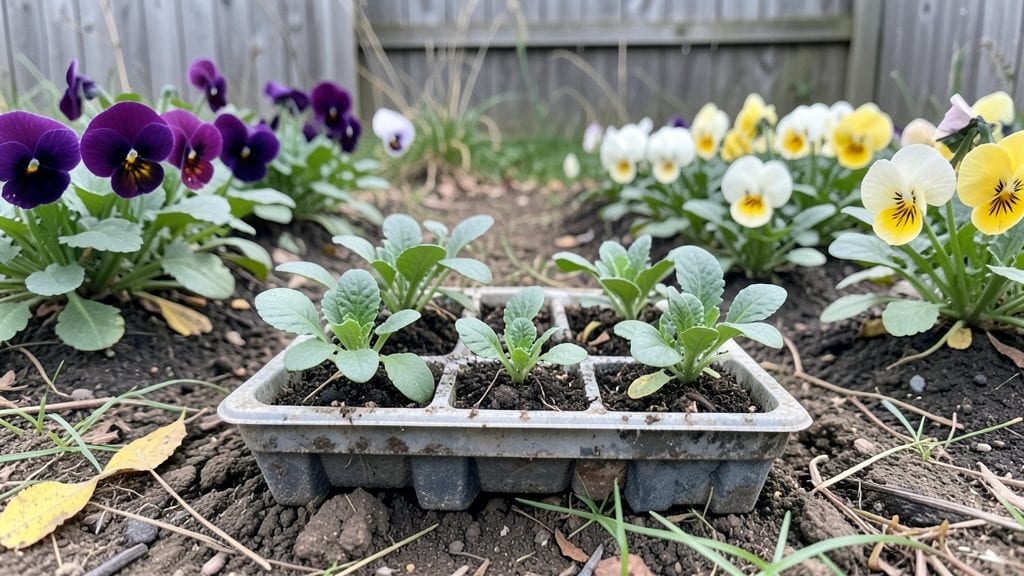
Planting pansies with the right distance ensures full, vibrant blooms all season—8 to 12 inches apart is the magic number for most garden varieties.
Struggling to get your pansy garden to burst into vibrant color? The secret might be hiding in the spacing—plant them too close, and you’ll sacrifice blooms; too far apart, and your garden will look sparse. Mastering pansy planting distance transforms a patchy bed into a nonstop floral masterpiece.
In USDA Zone 6, spacing pansies correctly also means accounting for their spring growth—they’ll spread wider as they mature, so give them room to thrive without competing for sunlight or nutrients.
Whether you’re edging a border or filling a container, precise spacing is the difference between a thin, scattered display and a lush, continuous carpet of 🌸.
Below, I’ll break down the ideal distances for different pansy types, how to adjust for containers or mass plantings, and pro tips to keep your blooms healthy and abundant—no guesswork required.

Optimal pansy planting distance by variety and garden type
Getting your pansies to thrive starts with the right planting distance. Too close, and you’ll choke their growth; too far apart, and your garden will look sparse. I’ve planted pansies for years, and I’ve learned that variety type and garden setting dictate the perfect spacing.
Whether you’re lining a border or filling a container, precision matters for bloom density and plant health.
Pansies come in three main types: border, garden, and miniature. Each has unique spacing needs. Border pansies, like 'Matrix' or 'Cool Wave', stay compact, while garden varieties such as 'Majestic Giant' spread wider.
Miniature pansies, like 'Tom Thumb', thrive in tight clusters. Your garden type—containers, borders, or mass plantings—also changes the rules. Let’s break it down so you can plant with confidence.
Comparison Table: Optimal Pansy Planting Distance by Variety and Setting
For border plantings, stick to the closer end of the range—9-12 inches for border pansies—to create a lush, unbroken edge. This spacing lets them compete for sunlight while leaving room for their foliage to spread.
In mass plantings, like a cottage garden bed, widen the gap slightly to 10-12 inches for garden pansies. This prevents overcrowding, which can lead to fungal diseases like powdery mildew.
Containers are a game-changer for small spaces. A 12-inch pot can hold 3-4 border pansies or just 1-2 garden pansies. Miniature varieties pack in 5-6 plants per pot, creating a dense, colorful display. Pro tip: Use well-draining soil and mulch lightly to retain moisture without suffocating roots.
Spacing isn’t just about looks—it’s about air circulation. Pansies planted too closely develop yellowing leaves or stunted blooms due to poor airflow. I once overcrowded my garden pansies, and within weeks, they looked sad and leggy.
After thinning, they bounced back with fuller blooms and healthier stems. Always prioritize 3-4 inches of space around each plant for airflow.
If you’re planting in partial shade, reduce spacing by 15-20%. Shade slows growth, so giving them extra room prevents competition. For full sun, increase airflow by 10% to combat heat stress.
And remember: soil quality matters. Amend your soil with compost to encourage robust root systems that handle spacing better.
For seasonal adjustments, plant spring pansies slightly closer—8-10 inches—since they’ll spread as temperatures rise. Fall plantings can go 12-15 inches apart because cooler weather slows growth. I’ve found that fall-planted pansies often outperform spring ones because they avoid summer heat stress.
Pro designers use spacing to create visual layers. Plant taller garden pansies at the back, border pansies in the middle, and miniatures at the front.
This trick adds depth without sacrificing bloom density. And if you’re edging a path, 6-inch spacing for miniatures creates a dense, carpet-like effect that’s pure magic.
One last tip: thin seedlings early. If you’re sowing seeds, start with 1-inch spacing and thin to your target distance once they’re 2-3 inches tall. This avoids root disturbance later. With the right spacing, your pansies will reward you with nonstop color from early spring to frost.
Common pansy spacing mistakes and how to fix them
Even experienced gardeners sometimes struggle with pansy planting distance, leading to disappointing results. Overcrowding causes yellowing leaves and stunted growth, while spacing too far apart leaves unsightly gaps. The key is finding that sweet spot between airflow and visual density—where your pansies thrive without competing for resources.
Seasonal timing also plays a critical role. Spring-planted pansies need slightly more space to establish roots before summer heat, while fall plantings can handle closer spacing since they’ll bloom before winter sets in. Understanding these nuances ensures your pansy garden stays vibrant all season long.
Planting pansies 6+ inches apart is ideal, but 4-inch spacing risks disease spread and pest attraction. Check for crowded stems touching—this signals it’s time to thin. In containers, limit to 1 plant per 1 square foot to prevent root competition.
One of the first signs of overcrowding is yellowing leaves at the base of your pansies. This occurs when plants can’t access enough nutrients or sunlight due to competition.
Thin your plants immediately by removing the weakest stems, leaving the healthiest ones with 6-8 inches between them. This simple fix often revives struggling plants within weeks.
On the flip side, underplanting creates bare soil patches that look unkempt and invite weeds. If your pansy bed has gaps larger than 12 inches, fill them with additional plants or companion flowers like snapdragons or dianthus.
For a polished look, use miniature pansies in gaps—they thrive in tighter spaces and add texture.
Seasonal adjustments are key to long-term success. In spring planting, space pansies 8-10 inches apart to give roots room to establish before summer. For fall plantings, reduce spacing to 6 inches since they’ll bloom before winter dormancy.
Always adjust for your pansy variety—dwarf types need less room than standard varieties.
Pro tip: Use a spacing grid or string lines to mark planting spots before digging. This ensures even distribution and prevents the trial-and-error approach that often leads to patchy beds. With the right spacing, your pansies will reward you with nonstop blooms from early spring to frost.