
Pruning
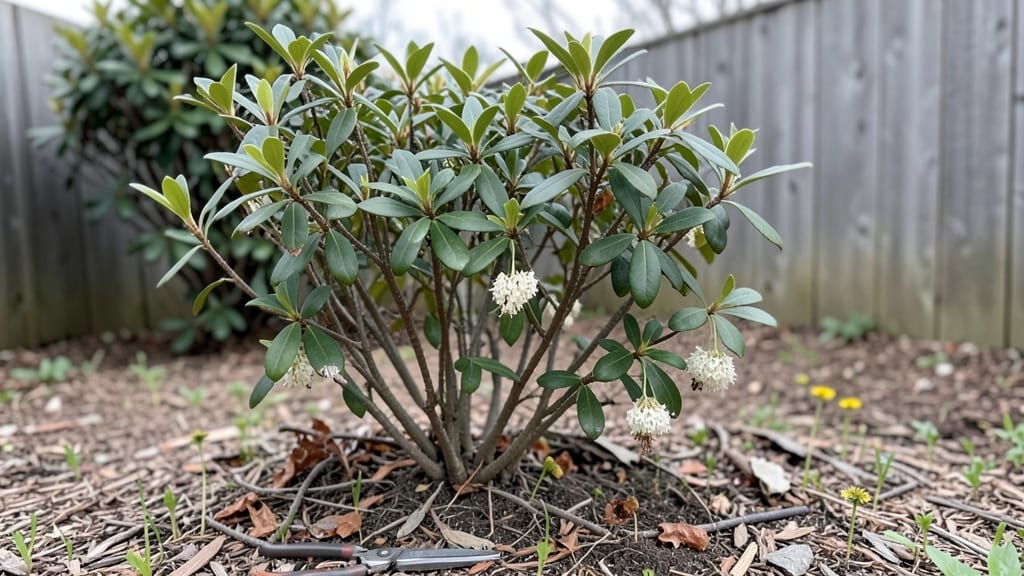
Mastering pieris plant pruning ensures your shrub stays vibrant and bursts into bloom year after year, not just in a single spring.
Your Pieris japonica isn’t just a spring bloomer—with the right pruning techniques, its glossy foliage and delicate flowers can brighten your garden year-round. But timing and method make all the difference between a thriving shrub and a stressed one.
If you’ve ever watched your Pieris lose its shape or skip blooms, you’re not alone. The key is knowing when to trim and how to shape it without cutting into next year’s flowers.
In this guide, I’ll walk you through the best times to prune, the tools you’ll need, and step-by-step techniques to keep your Pieris healthy, vibrant, and full of color—no guesswork required.

Best times to prune Pieris for maximum blooms and healthy growth
Your Pieris japonica thrives when pruned at the right time—too early or too late can mean fewer blooms and weaker growth. The key is understanding its natural growth cycle and how climate affects timing.
In most regions, the best window is late winter to early spring, but adjustments are needed based on your USDA hardiness zone and whether you want to preserve current-year flowers.
Pieris blooms on old wood, meaning flowers form on branches that grew the previous season. Cutting back too aggressively in spring can reduce next year’s blooms, while waiting too long may leave your shrub looking overgrown.
The goal is to shape the plant without sacrificing its stunning spring display of pink or white flowers.
For cold climates (Zones 5-6), prune in late February to early March, just as buds begin to swell but before active growth starts. In mild climates (Zones 7-9), extend the window to March or even April, as frost dates are later.
Always prune before buds break to avoid removing next year’s flowers.
Post-bloom maintenance is also critical. After flowers fade (typically May to June), you can lightly trim to shape the shrub and remove any dead or crossing branches.
This summer pruning should be minimal—never more than 10-15% of the plant’s volume—to avoid stressing the Pieris foliage, which is its year-round asset.
Never prune in fall or winter unless removing dead wood, as this can stimulate new growth that won’t harden off before freezing temperatures. Fall pruning also risks exposing the plant to winter burn or fungal issues.
If your Pieris looks overgrown in late summer, wait until next late winter to prune properly.
Avoid the temptation to heavily prune in spring just because the plant looks unruly. Pieris responds poorly to drastic cuts, which can lead to bare stems and reduced flowering.
Instead, focus on gradual shaping and selective removal of problematic branches. Patience pays off with healthier growth and more abundant blooms.
In southern regions (Zones 8-9), where winters are mild, you might see new growth as early as January. If this happens, delay pruning until late February to avoid cutting off tender spring shoots.
Always check for bud swell—if buds are plump and ready to burst, it’s time to prune.
For young Pieris plants (under 3 years old), minimal pruning is best. Focus on removing dead wood and shaping the canopy to encourage a balanced growth habit.
Mature shrubs (over 5 years old) can handle slightly more aggressive pruning, but never remove more than 25% of the plant in a single session.
If you live in an area with late frosts, wait until after the last frost date before pruning. Cold snaps can damage new growth, so monitor your local weather forecast and adjust your timing accordingly. Pieris is hardy once established, but new cuts are vulnerable to frost damage.
Pro tip: Use a sharp pair of pruners and make cuts just above a leaf node or bud at a 45-degree angle. This encourages faster healing and healthier regrowth. Avoid leaving stubs, as they can invite disease and pests.
By following this seasonal pruning schedule, your Pieris will reward you with vibrant blooms, lush foliage, and strong structural integrity for years to come. The key is consistency and respecting the plant’s natural rhythms.
| Season | Pruning Goal | Action | Climate Notes |
|---|---|---|---|
| Late Winter | Maximize next year’s blooms | Remove dead wood, shape overgrown branches, thin interior growth | Zones 5-6: Feb-Mar Zones 7-9: Mar-Apr |
| Early Spring | Encourage new growth | Light sanitary pruning, remove crossing branches | After last frost, before bud break |
| Post-Bloom (Summer) | Maintain shape, improve air flow | Trim spent flowers, light shaping (≤15% of plant) | Avoid heavy cuts in summer |
| Fall/Winter | Prevent stress, avoid disease | Only remove dead/diseased wood | Never prune for aesthetics in cold months |
If you’re unsure about the best time to prune, observe your Pieris closely. Look for bud swell—when buds are plump and ready to burst,
Step-by-step Pieris pruning guide: tools, techniques, and common mistakes
Pruning your Pieris japonica isn’t just about shaping—it’s about encouraging vibrant foliage and promoting next year’s blooms. This evergreen shrub thrives with strategic cuts that remove dead wood while maintaining its natural form.
Start by gathering the right tools for clean, precise cuts, then follow a method that balances air circulation and plant health.
Before you begin, inspect your Pieris branches for dead or diseased wood. These should be your first targets, as removing them prevents pests and diseases from spreading.
Next, focus on thinning crowded areas to let sunlight reach the center. Avoid heavy pruning—Pieris responds best to moderate shaping rather than drastic cuts.
⚠️ Critical Mistake to Avoid
Never prune in late summer or fall—this can stimulate tender new growth that won’t harden before winter, leading to frost damage. Also, avoid over-pruning (more than 25% of the plant at once), which stresses the shrub and reduces flowering.
Grab your bypass pruners and loppers for thicker branches, then make cuts at a 45-degree angle just above a bud or lateral branch. This angle helps water run off, preventing rot.
For larger branches, use hand pruners or a pruning saw, and always cut 1/4 inch above a bud to encourage outward growth.
Focus on removing suckers—those shoots growing from the base or along the trunk. These compete with your Pieris’ main structure for nutrients. Thin them out to redirect energy to the foliage and flowers you want to highlight.
If your shrub looks top-heavy, prune the top third to balance its shape.
After pruning, sanitize your tools with rubbing alcohol to prevent disease spread. Apply a layer of mulch around the base to retain moisture and regulate soil temperature.
Water deeply to help the Pieris recover from the stress of cutting. Within weeks, you’ll see new growth and a neater, healthier shrub.
For year-round interest, time your pruning right: late winter or early spring (just before buds swell) is ideal. This ensures your Pieris blooms on last year’s wood while shaping it for the growing season. With practice, you’ll master the art of pruning for beauty and longevity.