
Pruning
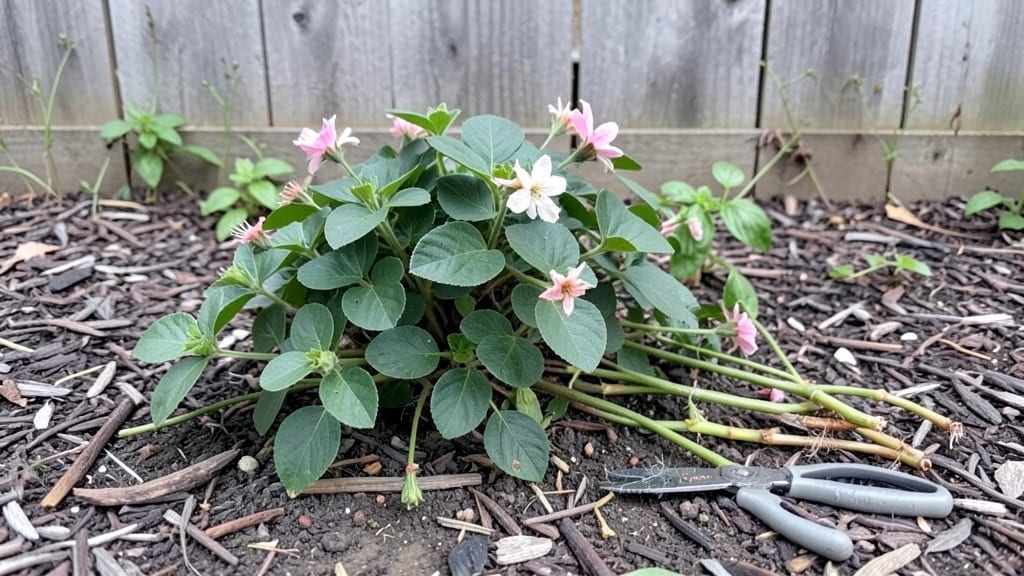
Pruning vinca plants keeps them blooming like clockwork all season long. 🌿 I used to let mine grow wild until I realized three strategic cuts a year transform them from scraggly to showstopping.
The key is timing—early spring, mid-summer, and late fall—each serving a different purpose for your plant’s health and beauty.
You’ll need just a few tools: sharp pruning shears, clean gloves, and a bucket for clippings. The real work happens in three phases: first to shape after winter, then to encourage new blooms after flowering, and finally to clean up before cold weather.
Most people overdo it in spring, but vinca plants bounce back surprisingly well when you cut back by about a third each time.
After each trim, you’ll notice new growth within weeks—thicker stems, brighter foliage, and a bushier shape that makes them look like they just came from a nursery. The late-summer cut is especially important because it signals the plant to put energy into fresh blooms instead of just leaves.
Think of it like giving your vinca a spa day every few months.
Even if you’ve killed vinca plants before, this method works because they’re naturally resilient. The biggest mistake is cutting into old wood or waiting too late in the season—always leave some fresh green growth, and never prune after the first frost.
With these three trims, your vinca will stay vibrant, productive, and full of color from spring through fall.
📚 In This Guide
- What you need
- Instructions
- Tips and common mistakes
- Wrapping up and next steps
What you need
- ● Pruning shears: Bypass pruners (for clean cuts) or anvil pruners (for thicker stems). Choose sharp, stainless steel blades (4–6 inches long) to avoid crushing stems. Pro tip: Disinfect with rubbing alcohol between cuts to prevent disease! 💡
- ● Garden gloves: A pair of nitrile-coated or leather gloves (size medium/large) to protect hands from thorns and sap.
- ○ Hand pruners (optional):strong> For smaller stems or detailed trims, especially if your vincas are in tight spaces.
- ● Rake or broom: To clear away pruned debris and keep your workspace tidy.
- ● Compost bin or bag: For collecting clippings (vinca trimmings are biodegradable!).
- ○ Mulch (optional): A 1–2 inch layer of organic mulch (like shredded bark or pine needles) to retain moisture and suppress weeds post-pruning.
- ○ Plant food (optional): A balanced, slow-release 10-10-10 fertilizer to give your vincas a nutrient boost after trimming.
- ● Weather check: Prune on a dry, overcast day or early morning to reduce stress on the plant. Avoid pruning in extreme heat or cold.
- ● Water access: A hose or watering can to hydrate plants before and after pruning (especially in dry climates).
- ● Safety first: Wear closed-toe shoes and avoid pruning near power lines if using long-handled tools.
Step-by-step instructions for pruning vinca plants
Keep your vinca blooming nonstop with these three simple seasonal cuts—no fancy tools needed.
✂️ Step 1: Early Spring Cleanup (Late February-March)
Start by removing any dead, brown, or frost-bitten stems right down to the base. Vinca is tough, so it won’t mind the aggressive trim—this actually encourages bushier growth. I like to use clean, sharp pruners (or even kitchen scissors in a pinch) to make clean cuts just above a leaf node or where the stem splits.
Next, cut back any leggy stems by about one-third of their length. You’ll notice the plant looks sparse at first, but within weeks, new growth will fill it out. This is the time to shape the plant—vinca responds well to a rounded form, so avoid cutting into the center too much.
✂️ Step 2: Mid-Summer Maintenance (June-August)
After the first flush of blooms, vinca can get woody and sparse. In mid-summer, trim back one-third to one-half of the oldest stems—these are the ones that look bare or have fewer flowers. Cut just above a leaf node or a side branch to encourage branching.
Here’s the trick: don’t wait until the plant looks overgrown. A little maintenance now keeps it compact and flowering. If you see stems stretching too tall or flowering sparsely, give them a haircut. You’ll see fresh, vibrant growth within 2-3 weeks—that’s your reward for staying on top of it.
✂️ Step 3: Late Summer Rejuvenation (September-October)
As summer winds down, vinca often puts on a second round of blooms, but the stems can get tired. Cut back one-third of the plant’s height again, focusing on the oldest growth. This final trim helps the plant store energy for next year and prevents it from looking ragged in winter.
After trimming, give the plant a light feeding with a balanced fertilizer (if you’re using one) to support new growth. The goal here is to leave the plant looking neat but not stripped bare—just enough to keep it healthy through winter. Vinca is evergreen in warm climates, so a little tidying now means fewer dead stems come spring.
⏰ Step 4: Winter Check (December-January)
In colder climates, vinca may lose some leaves in winter. Don’t panic—just give it a quick once-over in late winter. Remove any dead stems or branches that look truly lifeless. A light trim here keeps the plant tidy and ready to bounce back when temperatures rise.
This is also the time to check for pests or diseases. Vinca is generally low-maintenance, but if you spot anything unusual, address it now before spring growth begins. A healthy plant will reward you with bold, continuous blooms starting in early spring.
Tips & tricks for pruning vinca plants
These simple tricks will help you keep your vinca looking lush and flowering all year—without the guesswork.
The Timing Secret: Vinca thrives on consistency, so mark those seasonal trim dates on your calendar. Early spring (February-March) is your chance for aggressive cleanup—this aggressive approach actually stimulates bushier growth. In mid-summer (June-August), focus on the oldest stems first—they're the ones that look woody and sparse. That one-third to one-half trim isn't arbitrary: it's the perfect balance between rejuvenation and stress for the plant.
Cutting Technique That Changed Everything: Always cut just above a leaf node or where the stem splits. This simple detail makes all the difference—it's where new growth naturally emerges. I've seen people cut too close to the base, which can leave ugly stubs. And here's what nobody tells you: use clean, sharp tools. Dull pruners crush stems instead of making clean cuts, which can invite disease. Kitchen scissors work in a pinch, but invest in decent pruners if you're serious about your vinca's health.
Growth Observation: The 2-3 week window mentioned for new growth is your reward for staying on top of maintenance. That's when you'll see fresh, vibrant shoots replacing those old stems. If you don't see new growth within that timeframe, it might be a sign to check your plant's health—maybe it needs more sunlight or better drainage. The key is to trim before the plant gets truly overgrown, which is when it starts looking leggy and sparse.
Winter Prep Strategy: That light winter trim isn't about drastic changes—it's about tidying up. Focus on removing only the truly lifeless stems. In colder climates, vinca can look a bit ragged in winter, but this quick once-over prevents it from looking completely neglected. Think of it as giving your plant a fresh start before spring. And here's my secret: vinca responds well to a rounded shape year-round, so keep that in mind when you're tidying up.
Pro Tips for Pruning Vinca Plants
- These simple tricks will help you keep your vinca looking lush and flowering all year—without the guesswork.
- The Timing Secret: Vinca thrives on consistency, so mark those seasonal trim dates on your calendar.
- Cutting Technique That Changed Everything: Always cut just above a leaf node or where the stem splits.
Frequently asked questions
Got questions about keeping your vinca plants lush and thriving? You’re not alone! Here are some of the most common concerns—and their straightforward solutions—to help you prune like a pro.
When is the best time to prune vinca plants?
Prune vinca plants early spring (just as new growth begins), mid-summer (to encourage bushiness), and late fall (to tidy up before winter). Avoid heavy pruning in late summer—it can stress plants before cold weather. Light trims to remove dead blooms are safe year-round!
How much can I cut back vinca plants without harming them?
Vinca plants are tough! You can safely trim up to ⅓ of the plant’s height in one session. For example, if your vinca is 2 feet tall, cutting it back to 14–16 inches is ideal. Avoid over-pruning—it may reduce flowering. Pro tip: Use clean, sharp shears to prevent tearing!
What should I do if my vinca looks leggy or sparse after pruning?
Leggy vinca is often a sign of over-pruning or poor sunlight. To fix it, trim back only the longest, bare stems and fertilize lightly with a balanced, slow-release fertilizer. Move the plant to full sun (6+ hours/day) if it’s currently shaded. With time, it’ll bounce back!
Can I prune vinca plants too much? What are the signs?
Yes! Over-pruning shows up as stunted growth, fewer flowers, or yellowing leaves. If your vinca looks weak after trimming, give it a break—skip pruning for a season and focus on watering and sunlight. Vincas recover well, but gradual trims (never more than ⅓ at once) keep them happy.
Will pruning vinca plants reduce flowering?
Not if done right! Pruning encourages more blooms by promoting new growth and airflow. Deadhead spent flowers regularly to redirect energy into fresh blooms. Bonus: A light trim after flowering (early summer) often triggers a second flush of vibrant blooms!
What’s an alternative if I hate pruning?
No problem! Vinca plants are low-maintenance—just remove dead or yellowing leaves as needed and trim back straggly stems occasionally. For a no-prune look, grow vinca in containers and let it spill over naturally. They’ll still thrive with minimal effort!
Wrapping up and next steps
Pruning your vinca plants doesn’t have to be intimidating—it’s all about timing, technique, and a little love! 🌿 With just three seasonal trims, you’ll keep them lush, encourage blooms, and maintain that vibrant curb appeal year-round.
Whether you’re a gardening pro or a beginner, every snip is a step toward healthier, happier plants.
Ready to take the next step? Grab your pruners, mark your calendar for spring, summer, and fall, and enjoy the satisfaction of a thriving vinca garden! Your green thumb is closer than you think—just start clipping!